

Is Your Furry Friend Feeling Under the Weather? Natural Relief is Possible
Seeing your pet uncomfortable is tough. A sore throat can make eating and drinking painful. You're looking for gentle, natural ways to help. That's completely understandable.
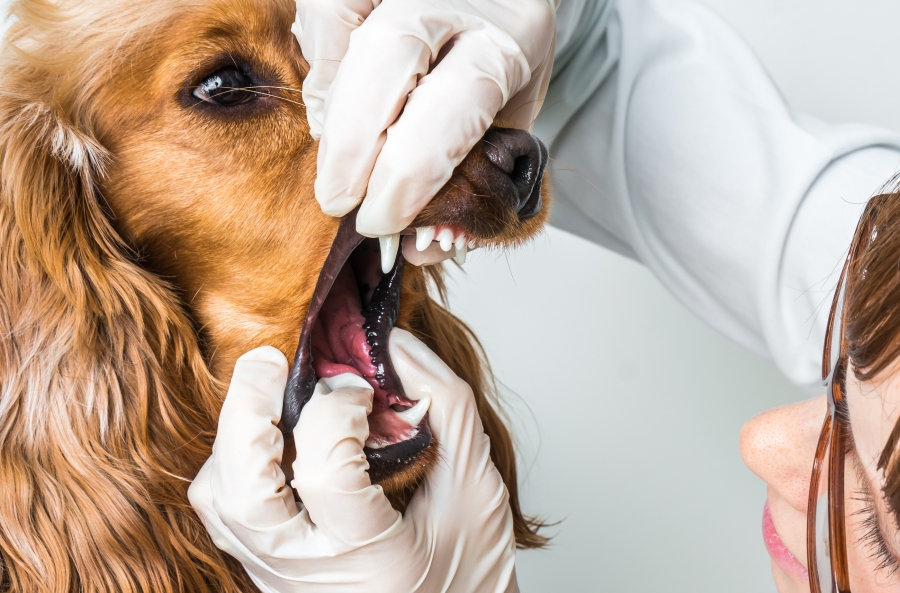
Before we dive in, a quick disclaimer: I've seen a lot in the exam room. A sore throat could be something minor. But it also could be a sign of a bigger problem. Always, always check with your vet first. Rule out infections or foreign bodies. Got it?
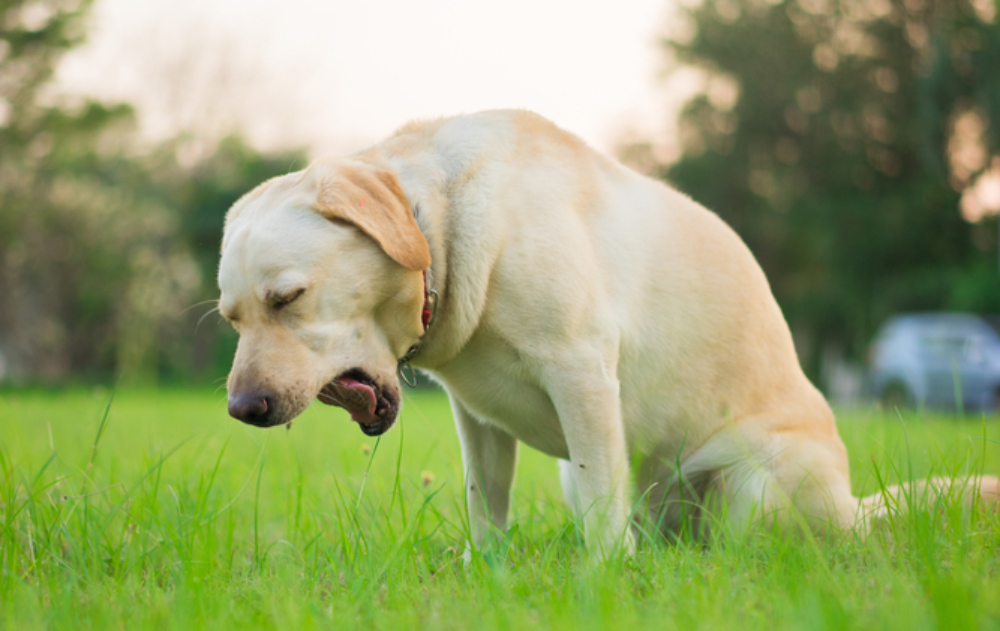
What Causes a Sore Throat in Pets?
Several factors can irritate your pet’s throat. Infections. Allergies. Even just barking too much!
- Viral or bacterial infections: These are common culprits.
- Allergies: Just like us, pets can have allergic reactions.
- Irritants: Smoke, dust, and other pollutants.
- Foreign objects: Sometimes, something gets stuck.
Natural Remedies to Soothe the Pain
Okay, let's talk about some natural ways to ease that discomfort. These are things you can try at home, alongside whatever your vet recommends.
Honey: Nature's Sweet Healer
Honey can do wonders. It's got antibacterial properties. It can coat and soothe the throat. Use it sparingly! A small dab is enough. Too much can cause digestive upset.
Chamomile Tea: A Calming Brew
Chamomile isn't just for humans. Brew a weak chamomile tea. Let it cool completely. Offer it to your pet. It can help reduce inflammation.
Slippery Elm: A Soothing Coating
Slippery elm bark powder creates a gel-like substance when mixed with water. This coats the throat. It provides relief. You can find it at most health food stores. Follow the dosage instructions carefully.
Hydration is Non-Negotiable
Make sure your pet is drinking plenty of water. Dehydration makes everything worse. Offer fresh, clean water frequently. You can even try adding a little low-sodium chicken broth to entice them.
The Expert's Corner: Real-World Advice
Here's the thing. Natural remedies are great for supportive care. They are NOT a substitute for veterinary treatment. I've seen cases where owners delayed proper treatment. They tried home remedies for too long. It ended badly.
Pay attention to your pet's overall condition. Is there a fever? Are they lethargic? Are they having trouble breathing? These are red flags. Get them to the vet immediately. Don't wait.
Pro-Tip: When I suspect a sore throat, I gently palpate the neck area. I'm checking for swelling or pain. If your pet flinches or seems uncomfortable, that's a sign to call the vet. Also, listen to their breathing. Wheezing or raspy sounds are concerning. You know your pet best. Trust your gut.
When to See a Vet: The Mission-Critical Signs
Some symptoms require immediate veterinary attention. Don't delay!
- Difficulty breathing
- Excessive drooling
- Loss of appetite for more than 24 hours
- Lethargy or weakness
- Fever (over 103°F)
Remember, you are your pet's advocate. A quick check-up can provide peace of mind. It can also catch potential problems early.