


Is Your Furry Friend Feeling Under the Weather?
It's tough seeing your pet sniffly and down. You're searching for gentler options, right? I get it. As a vet, I've seen countless pet parents anxious about giving their animals too many meds. Let's explore some natural ways to ease your pet's cold symptoms, but know this: a vet visit is non-negotiable to rule out anything serious.
Understanding Pet Colds: It's Not Always 'Just a Cold'
First, let's be clear. What *looks* like a simple cold could be something else entirely. Kennel cough, feline herpesvirus, even early stages of pneumonia can mimic cold symptoms. That's why diagnosis is mission-critical.
Common Cold Symptoms in Pets:
- Sneezing
- Coughing
- Runny nose
- Watery eyes
- Lethargy (major energy slump)
- Reduced appetite
Natural Remedies: What Works (and What Doesn't)
Okay, let's dive into some natural approaches. These are best for *mild* cases, after your vet has given the all-clear. Remember, these aren't miracle cures. They're for supportive care.
1. Honey: A Soothing Syrup (With Caveats)
Honey can soothe a sore throat and has mild antibacterial properties. However, *never* give honey to puppies or kittens under one year old due to the risk of botulism. Also, it's a no-go for diabetic pets because of the sugar content. A tiny dab—and I mean *tiny*—might help a larger dog, but always check with your vet first. I had a case last week where a client gave their dog honey without checking, and it caused a major blood sugar spike. Not fun.
2. Herbal Teas: Brew Up Some Relief
Certain herbal teas can be beneficial. Chamomile can have a calming effect. Echinacea might give the immune system a little boost, but the evidence is mixed. Always use caffeine-free teas, and let them cool completely. Offer it in their water bowl or use a syringe (without the needle!) to gently administer small amounts. Don't force it!
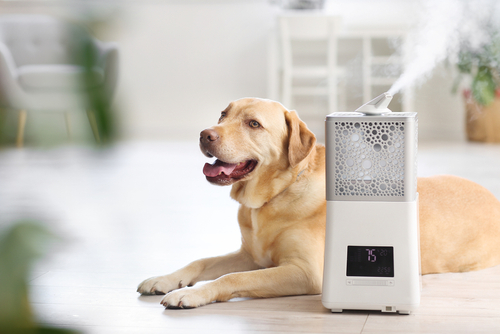
3. Humidifier: Moisture is Your Friend
A humidifier can help loosen congestion. Use a cool-mist humidifier near your pet's resting area. Make sure it's clean to prevent mold growth. This is a simple, safe way to provide comfort.
4. Chicken Soup (Hold the Onions!)
Plain, homemade chicken soup (no onions, garlic, or excessive salt!) can be palatable and provide hydration. The warm broth can also help soothe a sore throat. Think of it as comfort food for your furry friend. I've seen it work wonders in the exam room.
5. Rest and Relaxation: The Underrated Remedy
This is huge. Reduce your pet's activity level and provide a quiet, comfortable place to rest. Stress weakens the immune system. Let them sleep!
The Expert's Corner: Vet's Perspective
Here's the gritty truth. Natural remedies are great for *supportive* care. They are not substitutes for veterinary medicine, especially if your pet has underlying health issues. I've seen too many cases where people try home remedies for too long, and the pet's condition worsens. Don't let that be you. If your pet isn't improving within 24-48 hours, or if their symptoms worsen, see a vet immediately. And please, always consult your vet *before* starting any new treatment, natural or otherwise.
Pro-Tip: Keep a detailed log of your pet's symptoms, what remedies you're using, and how they're responding. This information is invaluable to your vet.
When to Call the Vet: Red Flags to Watch For
These symptoms are non-negotiable reasons to see a vet ASAP:
- Difficulty breathing or rapid breathing
- Blueish gums or tongue
- High fever (over 103.5°F)
- Lethargy or collapse
- Persistent coughing or gagging
- Loss of appetite for more than 24 hours
- Any neurological signs (ataxia—wobbly walking—seizures, etc.)
Don't wait. Seriously.
Prevention is Key
A strong immune system is your pet's best defense. Feed a high-quality diet, ensure they get regular exercise, and keep them up-to-date on vaccinations. Minimize stress and provide a clean, comfortable environment. These basics go a long way.