

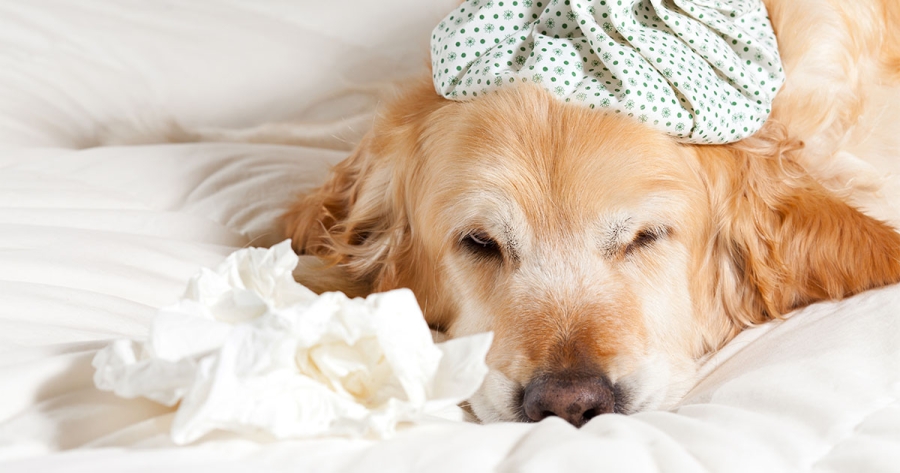
Is It a Cold, or Is It the Flu?
Okay, let's get real. Seeing your furry buddy feeling under the weather is never fun. It's that sinking feeling when they're not their usual bouncy selves. You're probably wondering if it's just a cold, or if it's something nastier, like the flu. And if natural remedies can actually help. The short answer? They *can* provide support, but it's all about knowing what you're dealing with.
Now, before we dive into the nitty-gritty, understand this: I've seen countless cases in the exam room where owners tried to self-diagnose, and things went south. So, this information is for guidance only, not a replacement for your vet's expertise. Got it? Good.
Spotting the Flu in Your Furry Friend
First thing's first: how do you even *know* it's the flu? The signs can be subtle, or they can hit you like a ton of bricks. Here's what to look for:
- Lethargy: More sleepy than usual? That's a red flag.
- Coughing or sneezing: Obvious, right? But pay attention to the *type* of cough. Is it dry? Productive?
- Runny nose or eyes: Clear or colored discharge? That matters.
- Loss of appetite: A usually ravenous eater suddenly turning their nose up at food? Houston, we have a problem.
- Fever: Anything over 102.5°F (for dogs) or 102°F (for cats) warrants a call to the vet.
Sometimes, you'll see other weird stuff, too. Like borborygmi – that's vet-speak for gurgling stomach noises. Or even ataxia, meaning they're wobbly on their feet. These are all clues.
Natural Remedies to Ease the Suffering
Alright, so you suspect the flu. What can you do *naturally* to help your pet feel better? Remember: these are *supportive* measures, not replacements for veterinary care. And always, always check with your vet before trying anything new.
Hydration, Hydration, Hydration
This is non-negotiable. Flu can dehydrate your pet fast. Offer fresh, clean water constantly. Try adding a little low-sodium chicken broth to entice them to drink. If they're really not drinking, talk to your vet about subcutaneous fluids – basically, a hydration boost under the skin.

Honey, in Moderation
Honey can soothe a sore throat and has some antibacterial properties. But go easy! A tiny dab – like, a quarter of a teaspoon for a small dog or cat – is plenty. Too much can cause digestive upset or spike blood sugar, especially in diabetic pets.
Rest and Relaxation
This seems obvious, but it's mission-critical. Provide a warm, quiet, comfortable place for your pet to rest. Minimize stress and excitement. No crazy play sessions when they're feeling crummy.
Herbal Support (with Caution!)
Some herbs *might* offer some benefit, but you've got to be super careful. Echinacea is sometimes used to boost the immune system, but it can interact with other medications. And not all herbs are safe for pets! Always do your research and consult with a vet knowledgeable in herbal medicine.
The Power of Steam
A steamy bathroom can help loosen congestion. Run a hot shower and let your pet hang out in the bathroom with you for 10-15 minutes. Just make sure they don't get burned by the hot water!
The Expert's Corner: Real-World Advice from a Grumpy Vet
Look, I've been doing this for a long time. And I've seen it all. Here's the truth: natural remedies can be a helpful *addition* to conventional veterinary care, but they're not a magic bullet. Don't delay seeing your vet if your pet's symptoms are severe or worsening. Especially if they're having trouble breathing. That's an emergency.
Pro-Tip: Keep a close eye on their gum color. Pale gums are a sign of serious trouble. Also, monitor their breathing rate. Rapid or labored breathing is another red flag.
And for the love of all that is furry, *never* give your pet human medications without talking to your vet first. Things like ibuprofen and acetaminophen are toxic to pets and can cause serious organ damage or even death.
When to Call the Vet – No Excuses
I know, I know, vet bills can be scary. But delaying treatment can make things even worse – and more expensive – in the long run. Call your vet immediately if:
- Your pet is having trouble breathing.
- They're refusing to eat or drink for more than 24 hours.
- They have a high fever (over 103°F).
- They're vomiting or have diarrhea.
- They're showing signs of severe lethargy or weakness.
Seriously, don't wait. It's always better to be safe than sorry.
Prevention is Key
The best way to deal with the flu is to prevent it in the first place. Make sure your pet is up-to-date on their vaccinations. Practice good hygiene. And avoid exposing your pet to sick animals.
Alright, that's my two cents on natural remedies for flu in pets. Now go take care of your furry friend. And don't forget to wash your hands!