


Is Your Furry Friend Feeling the Burn?
Seeing your dog uncomfortable is… well, it's the worst, isn't it? That hacking cough, the lip-licking, maybe even some regurgitation? Sounds like heartburn, or acid reflux, might be the culprit. Before you reach for the antacids, let's explore some natural remedies that can bring your pup some relief. I've seen it all in the exam room – trust me, you're not alone.
Understanding Heartburn in Dogs
Heartburn happens when stomach acid splashes up into the esophagus. Irritating stuff. This causes inflammation and discomfort. You might notice your dog exhibiting several signs. These include:
- Regurgitation (bringing up food without active vomiting)
- Excessive lip-licking
- Coughing, especially after eating or lying down
- Loss of appetite
- Restlessness or discomfort
Underlying causes can range from diet to breed predispositions. Sometimes it's just a sensitive stomach.
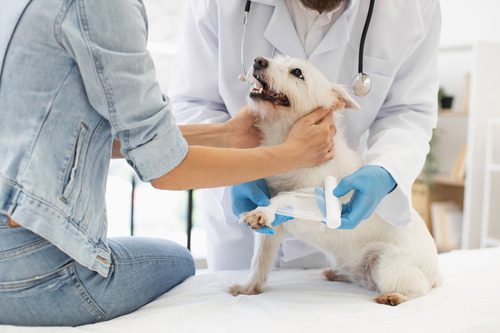
Natural Remedies to Soothe the Burn
Okay, let's get to the good stuff. These are some go-to natural remedies I often suggest. Note: these are for *mild* cases. If your dog is in obvious distress, go to the vet. Now.
Dietary Adjustments
This is mission-critical. Food is often the trigger.
- Small, Frequent Meals: Instead of one or two large meals, offer smaller portions throughout the day. This reduces the pressure on the stomach.
- Bland Diet: Boiled chicken and rice is the classic choice. Easy to digest. Skip the spices and seasonings.
- Avoid Trigger Foods: Fatty foods, processed treats, and table scraps are often the enemy. Identify what sets off your dog's heartburn and eliminate it.
Herbal Helpers
Plants can be powerful allies.
- Slippery Elm Bark: This coats and soothes the esophagus. Mix the powder with water to form a slurry. Give orally before meals.
- Chamomile: Known for its calming properties. Chamomile tea (cooled, of course!) can help relax the digestive tract.
- Ginger: A small amount of ginger can aid digestion. Use cautiously, as too much can cause stomach upset.
Probiotics for Gut Health
A healthy gut equals a happy dog. Probiotics introduce beneficial bacteria. This helps balance the digestive system. Look for dog-specific probiotics. Add to food according to package directions.
The Expert's Corner: Vet's Perspective
Here's the thing: natural remedies are great for *mild* heartburn. But chronic or severe cases need a vet's attention. We need to rule out other issues. Things like hiatal hernias or megaesophagus. Sometimes, medication is non-negotiable. Don't delay seeking professional help if your dog isn't improving. Or if you notice worrisome signs like vomiting, blood in the stool (melena), or ataxia (wobbly gait).
When to See a Vet
While these remedies can provide relief, it's crucial to know when professional help is needed. Seek veterinary care if:
- Symptoms worsen or don't improve after a few days
- Your dog is vomiting
- There is blood in the vomit or stool
- Your dog is lethargic or weak
- Your dog is experiencing weight loss