

Natural Relief for Neuropathy in Pets: Real Options That Work
Seeing your furry friend struggle with neuropathy is, frankly, heartbreaking. The stumbling, the weakness...it's tough. You're here because you want to help them feel better, naturally. Let’s explore some options. I've seen these work in the exam room (and sometimes, they don't), so I'll give you the straight talk.
Quick Answer: For pets with neuropathy, consider omega-3 fatty acids, B vitamins, and acupuncture. These can help reduce inflammation and support nerve function. Always consult your veterinarian before starting any new treatment to ensure safety and effectiveness.
Understanding Neuropathy in Pets
Neuropathy, at its core, means nerve damage. It messes with how signals travel between the brain and the body. Think of it like frayed wires. This can lead to a range of symptoms, like weakness, pain, or even loss of coordination (ataxia, as we vets call it). Pinpointing the exact cause is mission-critical. Is it diabetes? An injury? Or something else?
Symptoms can vary. Keep an eye out for:
- Limping or dragging paws
- Muscle weakness
- Decreased reflexes
- Pain or sensitivity to touch
- Changes in gait (the way they walk)
Natural Remedies: What Works (and What Doesn't)
Okay, let's dive into the remedies you're really here for. Remember, every pet is different. What works wonders for one might not do a thing for another. Always, always check with your vet before starting anything new. It's non-negotiable.
Omega-3 Fatty Acids
These are good fats. They're not just hype. Omega-3s, especially EPA and DHA, have anti-inflammatory properties. They can help soothe irritated nerves. Fish oil is a common source, but krill oil is often more potent. The dose is key, so ask your vet.
B Vitamins
B vitamins are nerve food, plain and simple. They play a role in nerve function and repair. B1 (thiamine), B6 (pyridoxine), and B12 (cobalamin) are especially crucial. You can find these in many pet supplements. Sometimes, we even give B12 injections for a faster boost.
Acupuncture
Don't knock it 'til you've tried it. Acupuncture can stimulate the nervous system and release endorphins (natural pain relievers). I've seen it provide real relief for some of my patients. Find a certified veterinary acupuncturist. Their expertise matters.
Herbal Remedies
This is where things get tricky. Some herbs have shown promise, but the research is limited. Turmeric (curcumin) has anti-inflammatory effects. Alpha-lipoic acid is an antioxidant that might help with nerve damage. But again, talk to your vet first. Herbs can interact with medications.
Vet’s Perspective: I remember a case with a dachshund named Fritz. Horrible back pain. We used a combination of acupuncture, omega-3s, and pain meds. Fritz improved. It's about finding the right cocktail.
Dietary Changes
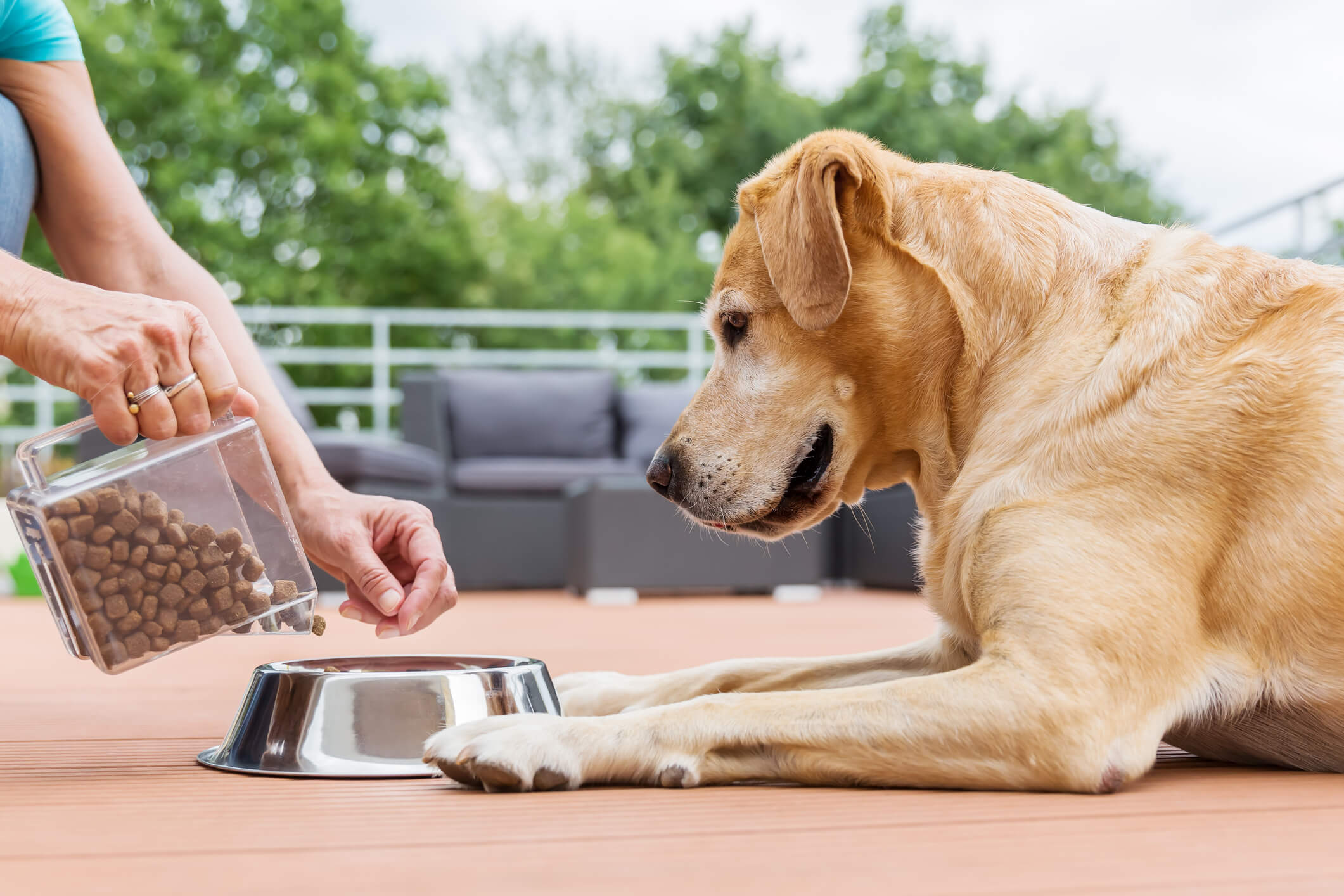
Food matters. A balanced diet is always a good idea. If your pet has diabetes-related neuropathy, managing their blood sugar is paramount. Work with your vet to create a diet plan that supports their overall health.
What to Avoid
Some things are just a bad idea. Don't give your pet human medications without talking to your vet. Many are toxic. Be wary of unproven remedies. If it sounds too good to be true, it probably is. And please, don't delay professional help. Neuropathy can worsen quickly.
The Expert's Corner
Here's my practical advice, straight from the trenches:
- Start slow: Introduce one remedy at a time. This way, you can see what's actually working.
- Keep a journal: Track your pet's symptoms and how they respond to treatment. Details matter.
- Be patient: Natural remedies often take time to work. Don't expect overnight miracles.
- Monitor for side effects: Even natural remedies can have unwanted effects. Watch for changes in appetite, digestion (borborygmi, or gut sounds!), or behavior.
When to See a Vet (ASAP)
Don't wait if your pet is in severe pain, can't walk, or has sudden changes in their condition. These are red flags. Neuropathy can be a symptom of a more serious underlying problem. Early diagnosis and treatment are key.
Living with Neuropathy: Quality of Life
Managing neuropathy is a marathon, not a sprint. Focus on improving your pet's quality of life. Provide comfortable bedding, easy access to food and water, and plenty of love and attention. They need your support.
It's about partnership. Working with your vet. Being observant. And never giving up hope. Your pet deserves the best possible care.