

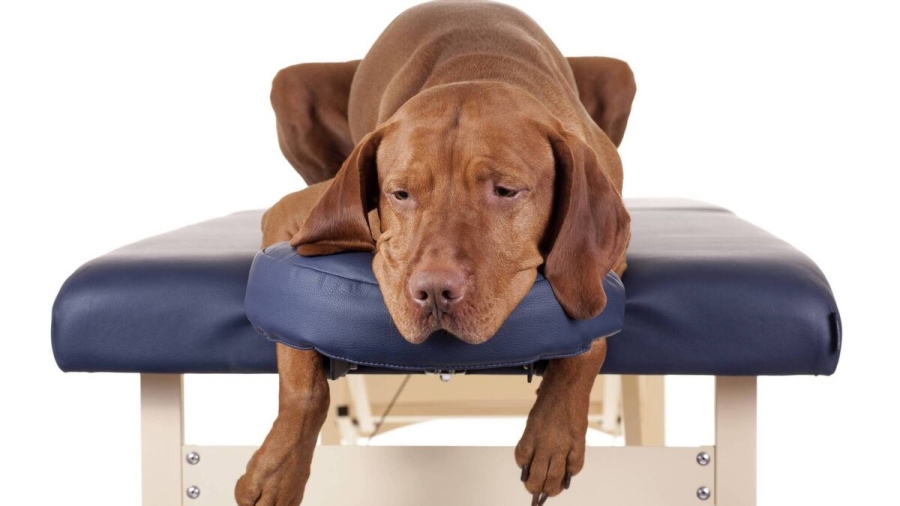
Is Your Furry Friend Aching? Natural Back Pain Relief is Possible
Seeing your pet in pain? It's rough. Back pain can seriously impact their quality of life. Makes 'em grumpy. They don't want to play. And you just want to help. The good news is that there are natural options available. But remember, I've seen too many cases where people try home remedies *instead* of getting a proper diagnosis. Don't do that. Natural remedies can complement traditional veterinary care, but they shouldn't replace it.
Understanding Back Pain in Pets
First, let's be clear. Back pain isn't just a 'human' problem. Dogs and cats experience it too. Discs, muscles, nerves… it's all the same anatomy (more or less). And just like us, the causes can vary.
- Intervertebral Disc Disease (IVDD): This is a big one, especially in certain breeds like Dachshunds. It's when the discs between the vertebrae bulge or rupture.
- Arthritis: Yep, even in the spine. Degeneration of the joints.
- Muscle sprains or strains: Overexertion. Bad landings. You know the drill.
- Trauma: Accidents happen.
How do you *know* it's back pain? Watch for these signs:
- Reluctance to move: Hesitant to jump, climb stairs, or even get up.
- Arched back: A hunched posture.
- Sensitivity to touch: Reacting negatively when you touch their back.
- Limping or dragging legs: Ataxia, we call it. Wobbliness.
- Changes in bowel or bladder control: A serious sign. See a vet ASAP.
Natural Remedies: A Helping Hand
Okay, so you're looking for natural solutions. Here's what I've seen work (sometimes) in the exam room. Always, always, always talk to your vet before starting anything new. Seriously.
Herbal Helpers
Certain herbs have anti-inflammatory and pain-relieving properties. But dosage is critical. And some herbs interact with medications. So, caution is key.
- Turmeric: Contains curcumin, a potent anti-inflammatory. I usually recommend a supplement formulated specifically for pets.
- Boswellia: Another anti-inflammatory. Can be helpful for arthritis-related back pain.
- Devil's Claw: Use with caution! Can interact with other meds. Strong stuff.
Acupuncture and Chiropractic
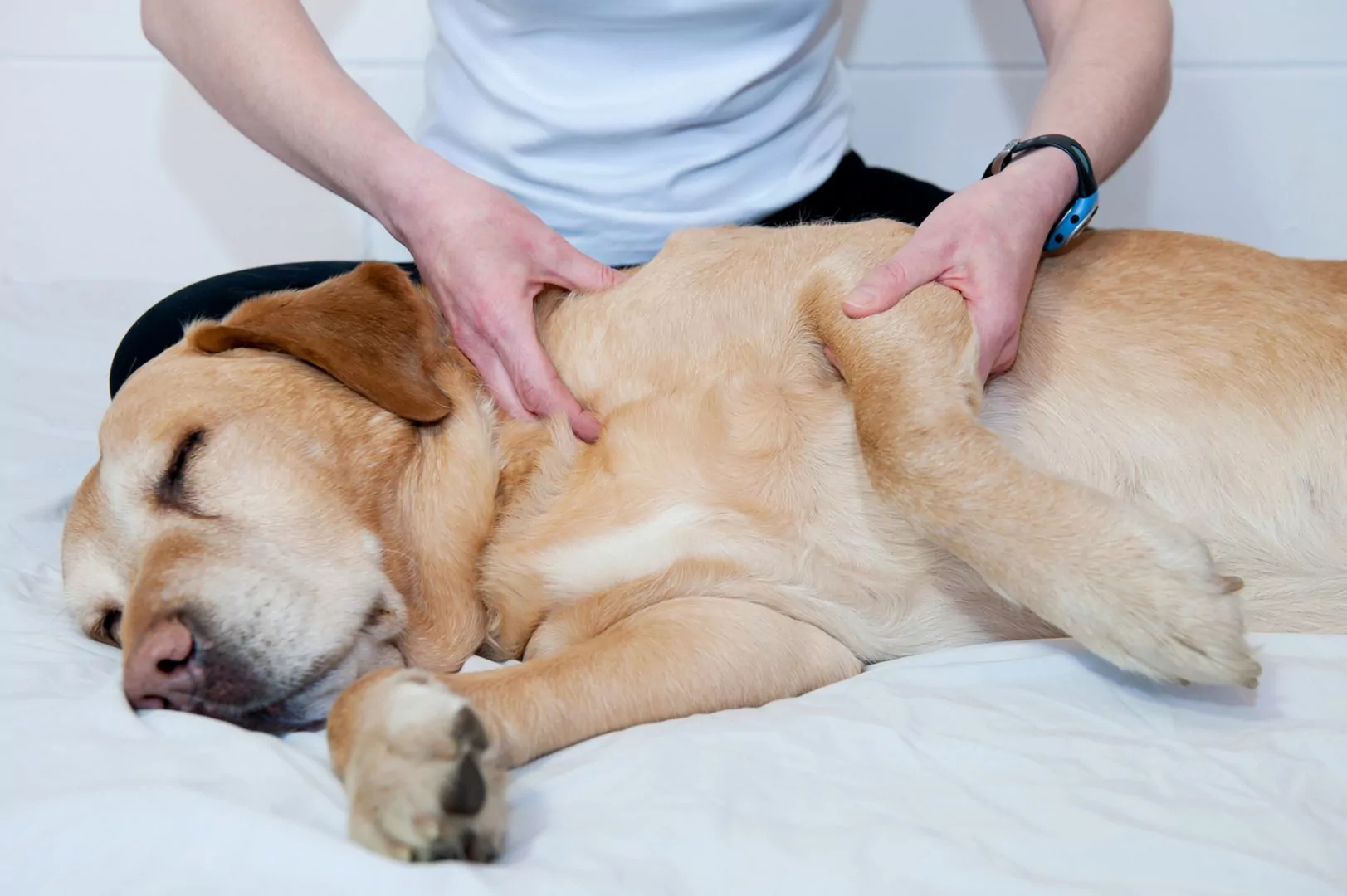
These therapies can work wonders. I've seen it. But find a qualified practitioner experienced in treating animals. Not all acupuncturists are created equal. Or chiropractors, for that matter.
- Acupuncture: Stimulates the body's natural healing response. Can reduce pain and inflammation.
- Chiropractic: Focuses on spinal alignment. May help with certain types of back pain.
Supplements
Joint supplements can support cartilage health and reduce inflammation.
- Glucosamine and Chondroitin: A classic combo. Supports joint health.
- Omega-3 Fatty Acids: Anti-inflammatory. Good for overall health too.
Home Modifications
Small changes can make a big difference.
- Orthopedic Bed: Provides support and cushioning. Especially helpful for older pets.
- Ramps or Steps: Makes it easier to get on and off furniture. Reduces strain on the back.
- Weight Management: Extra weight puts extra stress on the spine. Keep your pet at a healthy weight.
The Expert's Corner: Vet's Perspective
Look, I get it. You want to help your pet. And natural remedies can be part of the solution. But don't ignore red flags. If your pet is showing signs of severe pain, weakness, or loss of bowel/bladder control, get to a vet immediately. These could be signs of a serious condition that requires prompt treatment, possibly even surgery. I've seen cases where people waited too long, and the outcome wasn't good. Early intervention is mission-critical.
Also, remember that natural doesn't always mean safe. Some herbs can be toxic to pets. And even safe herbs can cause side effects in some animals. Start with low doses and monitor your pet closely. If you see any adverse reactions, stop using the remedy and call your vet.
One more thing: don't rely on internet diagnoses. I know Dr. Google seems tempting. But I can't tell you how many times I've seen pet owners misdiagnose their pets based on online information. A proper diagnosis requires a physical exam, and sometimes, X-rays or other tests.
When to See a Vet
I'm going to repeat myself here. You need to know when home remedies aren't enough.
- Severe Pain: Unrelenting pain that doesn't respond to home treatment.
- Neurological Signs: Weakness, paralysis, loss of coordination.
- Changes in Bowel or Bladder Control: This is an emergency.
- No Improvement: If your pet's condition doesn't improve after a few days of home treatment, see a vet.
Your vet can perform a thorough examination and determine the underlying cause of your pet's back pain. They can also recommend the most appropriate treatment plan, which may include medication, surgery, or a combination of therapies.