

Is it Parasites? Spotting Symptoms and Getting Your Dog Relief
Here's a fact that hits hard: many over-the-counter dewormers only target adult parasites. That means the larval stages, quietly developing in your dog's tissues, are completely untouched. It’s like mowing the lawn but leaving the roots—the problem just keeps coming back. Honestly, it's a frustrating reality I see in the exam room all too often.
For Busy Owners: Dogs can get parasites from various sources, including fleas, ticks, and contaminated food. Symptoms vary, but often include itching, diarrhea, or weight loss. Year-round preventative medications are mission-critical for keeping your dog healthy and comfortable.
Why is My Dog Suddenly So Itchy? Understanding How Dogs Get Parasites
All dogs are susceptible to parasites, and preventatives are critical. Transmission occurs via fecal-oral routes, insect vectors, raw meat, or environmental eggs/larvae. Parasite prevalence is high; studies show that 85% of dog parks have parasites in feces. Prevention is always better than treatment.
Okay, here's the deal: parasites aren't just a gross-out factor; they mess with your dog's biology on a fundamental level. Fleas, for instance, trigger a cascade of histamine release, leading to intense pruritus (that's vet-speak for itching). This constant scratching damages the skin barrier, creating entry points for secondary bacterial infections. Ticks, beyond just sucking blood, can transmit diseases that disrupt the immune system, leading to chronic inflammation and even autoimmune responses. It's a biological domino effect that starts with a tiny bite.
The Clinical Perspective (Biological 'Why')
Let's zoom in on a common scenario: hookworm infection. These nasty guys attach to the intestinal lining and suck blood. In puppies, this can lead to severe anemia. We're talking about a drop in red blood cell count that compromises oxygen delivery to vital organs. This triggers a compensatory response: the heart works harder, and the body shunts blood away from the periphery, leading to pale gums and exercise intolerance. At the cellular level, chronic blood loss depletes iron stores, hindering the production of hemoglobin, the molecule responsible for carrying oxygen. It's a downward spiral that can be fatal if not addressed quickly.
Home-Care Hacks (Low-Cost, Practical Tips)
- Apple Cider Vinegar Rinse: Dilute apple cider vinegar with water (1:1 ratio) and use it as a final rinse after bathing your dog. The acidity can help repel fleas and soothe itchy skin.
- Diatomaceous Earth (Food Grade): Sprinkle food-grade diatomaceous earth around your yard and in areas where your dog spends time. It's a natural insecticide that dehydrates and kills fleas, ticks, and other crawling insects.
- Herbal Flea Collar: Soak a plain dog collar in a mixture of water, neem oil, and a few drops of essential oils like lavender or cedarwood. These oils have insect-repelling properties.
The Red Flag Checklist (When to Panic vs. When to Wait)
- Pale Gums: Non-negotiable emergency. Indicates severe anemia, often from hookworms or fleas.
- Bloody Diarrhea: Especially in puppies, this can be life-threatening. Requires immediate vet attention.
- Sudden Collapse: Could indicate heartworm disease or severe parasitic infection. Get to a vet ASAP.
- Mild Itching: If your dog is otherwise healthy, try home remedies first. If it persists or worsens, see a vet.
External Parasites: What are the Most Common Signs of Fleas, Ticks, and Mites?
Fleas, ticks, and mites are common external parasites. Flea and tick preventatives are vital. These parasites can hitchhike on your dog outdoors. Preventatives kill them upon contact or biting. Regular checks are essential for early detection and to prevent infestations.
External parasites are masters of manipulation. Fleas, for example, inject saliva containing enzymes that prevent blood clotting. This ensures a continuous blood meal but also triggers an allergic reaction in many dogs. The resulting inflammation leads to intense itching and scratching, which further damages the skin. Ticks, on the other hand, secrete substances that suppress the host's immune response. This allows them to feed undetected for extended periods, increasing the risk of transmitting diseases like Lyme disease, which can cause chronic joint pain and neurological problems.
1. Fleas: The Microscopic Acrobatics of a Home Infestation
Fleas are a nuisance for both dogs and owners. Infestations are hard to eradicate due to egg buildup. They jump 13 inches and are wingless. They bite and feed on blood, spreading diseases. Regular checks with a flea comb are vital.
Fleas aren't just surface irritants; they're biological invaders. Their saliva contains haptens that bind to skin proteins, creating antigens that trigger a Type I hypersensitivity reaction – that's a fancy way of saying an allergic response. This leads to the release of histamine and other inflammatory mediators, causing intense itching. Chronic flea infestations can lead to alopecia (hair loss) and secondary bacterial infections, further compromising the skin's barrier function.
2. Ticks: What to do if I Find One?
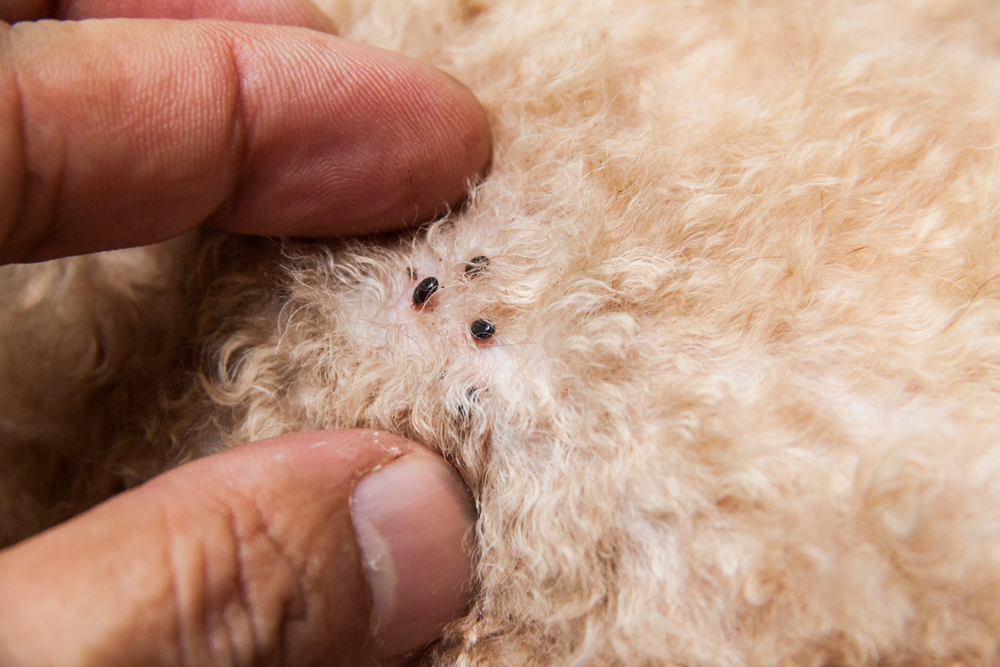
Ticks suck blood and spread diseases like Lyme disease. They resemble spiders and can be brown, gray, tan, or black. Engorged ticks are easier to spot. Check the head, ears, toes, tail, groin, eyelids, under the collar, and under the arms. Remove carefully to avoid infection.
Ticks are vectors of disease, and their impact goes beyond just a bite. They transmit pathogens directly into the bloodstream, bypassing the body's natural defenses. Lyme disease, for example, is caused by the bacterium Borrelia burgdorferi, which disrupts the immune system, leading to chronic inflammation and joint pain. In severe cases, Lyme disease can affect the heart and nervous system. Rocky Mountain Spotted Fever, another tick-borne illness, damages blood vessels, leading to organ damage and potentially death.
3. Ear Mites: Understanding the Waxy Discharge
Ear mites are surface mites affecting dogs, cats, rabbits, and ferrets. They live in the ear canal and on the skin surface. They are highly contagious and cause ear infections, especially in puppies and kittens. Look for dark, waxy discharge and head shaking.
Ear mites, or Otodectes cynotis, trigger inflammation and irritation in the ear canal. Their feeding and movement cause microscopic abrasions, leading to a buildup of cerumen (earwax) and inflammatory debris. This creates a dark, waxy discharge that's a hallmark of ear mite infestations. The constant irritation leads to intense itching, which can cause secondary bacterial or fungal infections, further complicating the problem.
Internal Parasites: What are the Major Symptoms of Worms in Dogs?
Common internal parasites include hookworms, whipworms, roundworms, tapeworms, and heartworms. Each has distinct life cycles and symptoms. Regular deworming and preventative medications are important. Early detection is important to prevent severe complications.
Internal parasites wreak havoc on a dog's physiology. Hookworms, for example, secrete anticoagulant substances that prevent blood clotting, ensuring a continuous blood meal. This chronic blood loss leads to anemia, which compromises oxygen delivery to vital organs. Roundworms, on the other hand, compete with the host for nutrients, leading to malabsorption and weight loss. Heartworms physically obstruct blood flow in the heart and lungs, leading to heart failure and pulmonary hypertension.
1. Hookworms: Why is My Dog's Stool Black?
Hookworms live off a dog’s blood, attaching to the small intestine. Puppies are commonly affected. Adult dogs are infected by ingesting eggs in feces or infected prey. Larvae travel through the lungs before reaching the small intestine. They can produce 6,000 eggs daily.
Hookworms are blood-sucking parasites that can cause severe anemia, especially in puppies. They attach to the intestinal lining and secrete enzymes that prevent blood clotting. This leads to chronic blood loss and iron deficiency, which impairs the production of hemoglobin, the molecule responsible for carrying oxygen. The resulting anemia can cause pale gums, weakness, and even death.
2. Whipworms: What are the Signs of a Severe Infection?
Whipworms live in the cecum and colon, causing intestinal bleeding and inflammation. Dogs rarely show signs unless the infection is severe. Infection occurs through egg ingestion via contaminated soil. Severe infections can cause diarrhea with mucus and blood.
Whipworms burrow into the lining of the large intestine, causing inflammation and irritation. This leads to increased mucus production and disruption of the gut microbiome, the complex community of bacteria and other microorganisms that play a crucial role in digestion and immune function. Severe whipworm infections can cause chronic diarrhea, weight loss, and even death.
3. Roundworms: Is Coughing a Common Symptom?
Roundworms infect puppies and adults through contaminated feces or prey ingestion. Eggs hatch and migrate through the liver and lungs before returning to the intestines. Large infections can cause coughing, vomiting, diarrhea, and a pot-bellied appearance.
Roundworms are notorious for their complex life cycle. After ingestion, the larvae migrate through the liver and lungs, causing inflammation and tissue damage. This can lead to coughing and respiratory distress. In the intestines, adult roundworms compete with the host for nutrients, leading to malabsorption and weight loss. Heavy roundworm infections can cause a pot-bellied appearance, especially in puppies.
4. Tapeworms: Why is My Dog Scooting?
Tapeworms are flat, segmented internal parasites. The most common species is the flea tapeworm. They anchor to the intestinal wall. Segments break off and pass through feces, resembling grains of rice. Infection starts when a dog ingests a flea or rodent carrying a tapeworm.
Tapeworms are masters of disguise. They attach to the intestinal wall using hook-like mouthparts and absorb nutrients directly from the host's digestive tract. As they grow, segments of their bodies break off and are shed in the feces. These segments, which resemble grains of rice, contain tapeworm eggs. When a dog ingests a flea or rodent carrying tapeworm eggs, the cycle begins anew.
5. Heartworms: What are the Early Warning Signs I Should Know?
Heartworm disease is serious and potentially deadly. Parasitic worms live in the heart, lungs, and blood vessels. Microfilaria (larvae) enter the bloodstream during a mosquito bite. Heartworm prevention is easily administered. Signs are often unnoticed until the disease has advanced.
Heartworms are a devastating parasite that can cause severe damage to the heart, lungs, and blood vessels. The worms physically obstruct blood flow, leading to heart failure and pulmonary hypertension (high blood pressure in the lungs). This causes a cascade of symptoms, including lethargy, exercise intolerance, coughing, and difficulty breathing. In severe cases, heartworm disease can lead to collapse and death.
What is the Best Method of Parasite Prevention for Dogs?
Prevention is easy with year-round parasite preventatives. Regular check-ups are important for choosing the best medicine. Remove feces from your yard and wash your hands. Control rodents and remove standing water. Check your dog regularly for signs of parasites.
Effective parasite prevention involves a multi-pronged approach. Year-round preventative medications are the cornerstone of protection, but environmental management and regular veterinary check-ups are also vital. Picking up feces promptly reduces the risk of reinfection. Controlling rodent populations minimizes the risk of tapeworm transmission. Removing standing water eliminates mosquito breeding grounds, reducing the risk of heartworm disease.
Zoonotic Disease: What Parasites Can My Dog Give Me?
Zoonotic diseases can be passed from animals to humans. Fleas and ticks can bite humans and transmit diseases. People can contract Lyme disease or Rocky Mountain Spotted Fever from tick bites. Larvae of roundworms and hookworms can migrate through the body, causing problems.
Zoonotic diseases highlight the interconnectedness of human and animal health. Fleas and ticks can transmit diseases like Lyme disease, Rocky Mountain Spotted Fever, and plague to humans. Roundworm and hookworm larvae can migrate through the body, causing visceral larva migrans, a condition that can damage organs and tissues. Proper hygiene and parasite prevention are essential for protecting both your dog and your family.
Conclusion
Parasitic infection is common but preventable. Keep your dog on a preventative year-round and keep up with vet exams. Check your dog often for fleas and ticks and remove ticks immediately. These measures will keep your dog healthy and free from infection.