

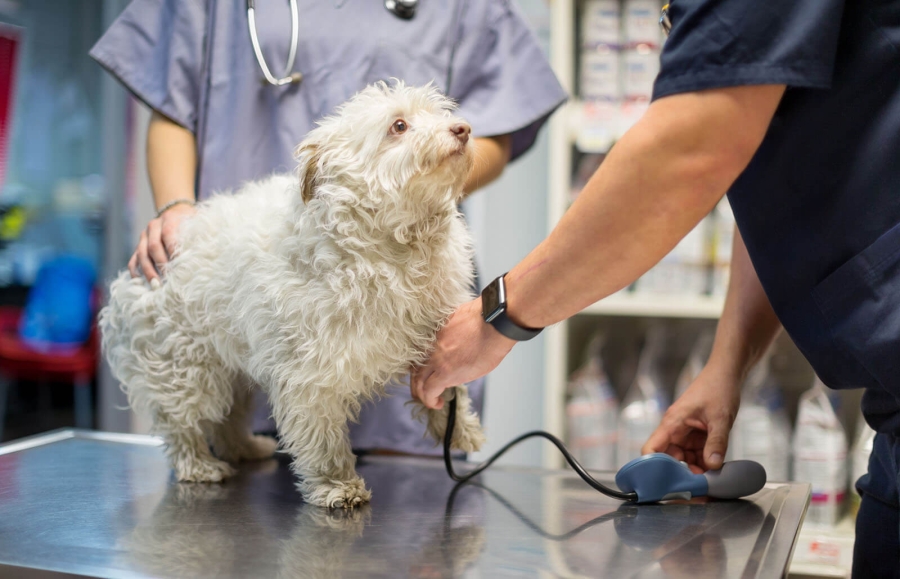
Understanding High Blood Pressure in Pets
Seeing that diagnosis of hypertension on your pet's chart? It's daunting. High blood pressure, or hypertension, isn't just a human problem; our furry friends can suffer from it too. It's mission-critical to understand what's happening.
Often, it's secondary to another condition – kidney disease, hyperthyroidism, or even Cushing's. But sometimes, it just… happens. Primary hypertension. We call it 'essential' hypertension. Frustrating, right?
Recognizing the Signs
Spotting high blood pressure isn't always easy. Some pets show no signs. Others? Well, you might see:
- Lethargy – They're just not themselves.
- Changes in vision – Dilated pupils, bumping into things.
- Nosebleeds – Unexplained and frequent.
- Seizures – A scary, but possible, sign.
If you notice *any* of these, get to the vet. Pronto. Don't delay.
Natural Approaches to Managing Hypertension
Okay, so you're looking for natural ways to help. Smart. But let's be clear: These aren't miracle cures. They're *supportive* measures. Always, *always* work with your vet.
Dietary Adjustments: Low Sodium is Key
First, diet. A low-sodium diet is non-negotiable. Seriously. Read those food labels like your life depends on it. Because, in a way, it does – your pet's life.
Avoid processed treats and table scraps. These are sodium bombs. Consider a prescription diet formulated for kidney or heart health. They are usually lower in sodium. I know, they're not always 'natural' per se, but they are formulated with your pet's health in mind.
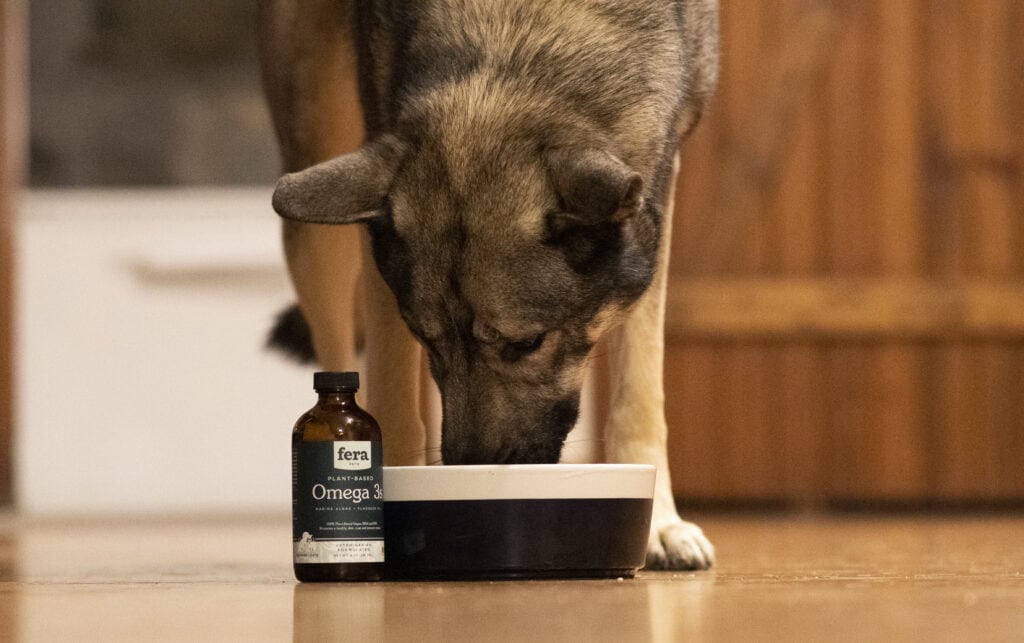
The Power of Omega-3 Fatty Acids
Omega-3s are your friend. These essential fatty acids, found in fish oil, have anti-inflammatory properties. Inflammation can contribute to hypertension. So, reducing it is a good thing.
Talk to your vet about the right dosage. Don't just grab any old bottle off the shelf. Quality matters. And dosage is critical. Too much can cause… well, borborygmi (vet-speak for gurgling tummy) and diarrhea.
Herbal Allies: Hawthorn and Hibiscus
Some herbs *may* help. Hawthorn is thought to support cardiovascular function. Hibiscus *might* have a mild blood pressure-lowering effect. But proceed with caution.
Herbal remedies aren't regulated like medications. Purity and potency can vary wildly. And some herbs can interact with medications. Again, chat with your vet before adding anything new.
Stress Reduction: A Calm Environment
Stress is a major contributor to high blood pressure in humans and animals. Create a calm, predictable environment for your pet. Reduce loud noises, sudden changes, and other stressors.
Provide plenty of enrichment. Toys, puzzles, and playtime are essential. A tired pet is a happy, and less stressed, pet. And a less stressed pet is a healthier pet.
The Expert's Corner: Real-World Advice from the Exam Room
I remember this sweet old terrier, Buster. Came in with a nosebleed that wouldn't stop. Turns out, sky-high blood pressure. We got him stabilized, but the owner was adamant about 'natural' solutions.
We worked together. Diet changes, fish oil, and a *very* strict medication schedule. It was a delicate balance. And it required constant monitoring. That's the thing: natural remedies can be helpful, but they're not a replacement for conventional medicine in severe cases. You need a plan.
Pro-Tip: Invest in a good quality blood pressure monitor for pets (if your vet recommends it). Learn how to use it properly. Regular monitoring at home can provide valuable insights into your pet's blood pressure fluctuations.
Vet’s Perspective: Don't fall for marketing hype. Just because something is 'natural' doesn't mean it's safe or effective. Snake oil is natural, too. Critical thinking. Question everything. Rely on evidence-based information. And trust your vet.
When to Seek Immediate Veterinary Care
These are red flags. Don't ignore them. Get to the vet immediately if you see:
- Sudden blindness
- Severe lethargy or collapse
- Uncontrolled seizures
- Persistent nosebleeds
Time is of the essence. Don't wait and see.