

Decoding Cat Language: How to Teach Visitors to Respect Your Cat's Boundaries
Here's a counter-intuitive fact I tell every new cat owner in the exam room: a cat's apparent indifference isn't rudeness; it's a sophisticated communication strategy. Unlike dogs who often crave constant interaction, cats carefully ration their social energy. Overlooking these subtle cues is a recipe for interspecies conflict. And honestly, no one wants a trip to the ER because Fluffy felt cornered.
For Busy Owners: Understanding cat behavior is key to preventing unpleasant interactions. Educate visitors about appropriate behavior around your cat. Respect your cat's need for space and clear communication to avoid aggression.
Why is My Cat Hissing at Guests? Understanding Feline Communication and Personal Space
A cat hissing at guests usually indicates they feel threatened or uncomfortable. It's crucial to recognize that cats have different communication styles than humans or even dogs. They rely on subtle body language, scent marking, and vocalizations to express their needs and boundaries. When guests misinterpret these signals or ignore them altogether, the cat may resort to hissing as a last-ditch effort to create distance. This is often linked to the amygdala, the brain's fear center, triggering a 'fight or flight' response when the cat perceives a threat to its territory or safety. For example, a direct stare can be interpreted as aggression, activating the cat’s defensive mechanisms.
The Clinical Perspective: Consider the role of pheromones. Cats deposit facial pheromones by rubbing their faces on objects, marking them as safe and familiar. When a stranger enters the environment, they disrupt this carefully curated scent landscape. This disruption can trigger anxiety and defensive behaviors, especially if the cat lacks escape routes.
Home-Care Hacks: Before guests arrive, spray synthetic feline pheromones (like Feliway) in common areas. This can help create a sense of calm and security for your cat. Also, provide multiple elevated perches and hiding places so your cat can observe from a safe distance.
The Red Flag Checklist: If your cat's hissing escalates to swatting, biting, or hiding for extended periods, consult with a veterinarian or certified cat behaviorist. These behaviors can indicate underlying medical issues or chronic anxiety that require professional intervention.
How to Create a Safe Space for Your Cat: Teaching Guests About Feline Boundaries
Creating a safe space means understanding that a cat's curiosity isn't an invitation for contact. Respecting their boundaries is mission-critical. Cats need to feel in control of their interactions. Forcing attention on them can lead to stress, anxiety, and ultimately, defensive behaviors. This is especially true for cats with a history of trauma or those who are naturally more reserved. Remember, the cat's prefrontal cortex, responsible for decision-making, is constantly evaluating potential threats. A perceived lack of control can overwhelm their coping mechanisms.
The Clinical Perspective: Consider the impact of early socialization. Kittens who are exposed to a variety of people and environments during their critical socialization period (2-7 weeks of age) are generally more adaptable and less fearful of strangers. Lack of early socialization can result in heightened anxiety and a lower tolerance for unfamiliar stimuli.
Home-Care Hacks: Designate a 'cat-only' zone in your home where guests are explicitly prohibited from entering. This could be a spare bedroom, a closet, or even just a corner of a room with a cat tree and scratching post. Make sure this area is easily accessible to your cat and stocked with their favorite toys and resources.
The Red Flag Checklist: If your cat consistently avoids interaction, exhibits signs of depression (loss of appetite, lethargy), or develops compulsive behaviors (excessive grooming, vocalization), seek professional help. These could be signs of chronic stress or underlying medical issues.
Proactive Communication: How to Clearly Communicate Your Cat's Needs to Visitors
Proactive communication involves educating your guests about your cat's specific preferences and boundaries *before* they even enter your home. This means having a conversation about what is and isn't acceptable behavior around your cat. Be direct and unambiguous. Explain that approaching, touching, or picking up your cat without permission is strictly off-limits. It’s vital to understand that cats have sensitive whiskers filled with proprioceptors that detect changes in their environment. Unwanted touching can overstimulate these receptors, leading to sensory overload and defensive reactions.
The Clinical Perspective: Consider the role of oxytocin. While often called the 'love hormone,' oxytocin's effects in cats are complex and context-dependent. While gentle stroking can increase oxytocin levels and promote bonding, forced or unwanted interaction can have the opposite effect, triggering the release of stress hormones like cortisol.
Home-Care Hacks: Create a laminated 'Cat Rules' sign to display prominently in your home. Include clear and concise guidelines about interacting with your cat. For example: "Please don't approach the cat unless invited," or "Please don't pick up the cat without asking first."
The Red Flag Checklist: If your guests consistently disregard your instructions or pressure your cat despite your warnings, it may be necessary to limit their interactions or even ask them to leave. Prioritizing your cat's well-being is non-negotiable.
Case Studies: Learning from Prudence: Understanding Cat Aggression Toward Strangers
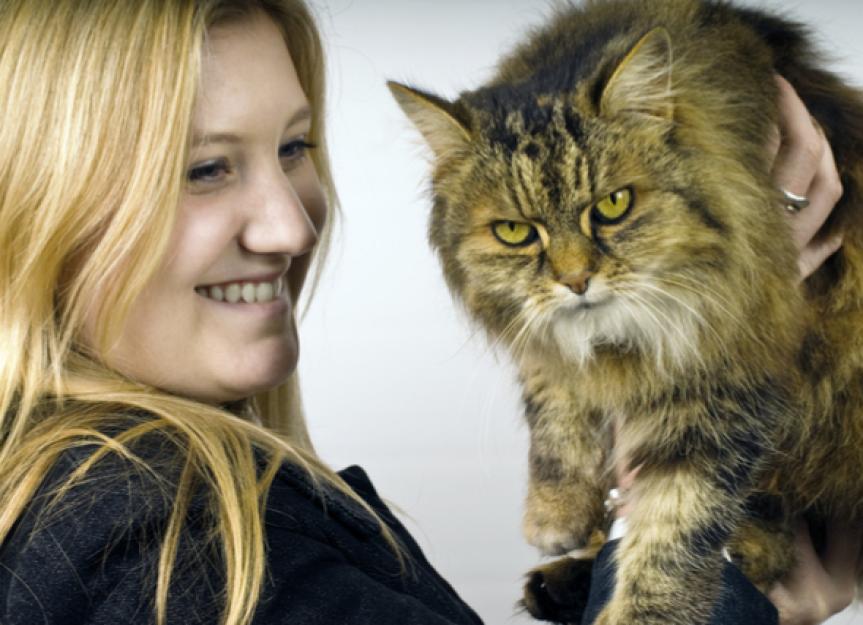
Prudence, the 5-year-old tabby, teaches us that aggression isn't always a sign of a 'bad' cat. It's often a symptom of misunderstood communication and violated boundaries. Prudence's case highlights the importance of recognizing subtle warning signs, such as flattened ears, dilated pupils, and tail twitching. Ignoring these signals can lead to escalation and, ultimately, defensive aggression. This is because cats have a limited capacity for coping with stress. Prolonged exposure to uncomfortable situations can deplete their resources and trigger a 'fight or flight' response.
The Clinical Perspective: Consider the role of the hypothalamic-pituitary-adrenal (HPA) axis. Chronic stress can lead to dysregulation of the HPA axis, resulting in increased cortisol production and a heightened sensitivity to perceived threats. This can manifest as increased aggression, anxiety, and fearfulness.
Home-Care Hacks: Keep a log of your cat's behavior around guests. Note any triggers that seem to provoke anxiety or aggression. This information can be invaluable in identifying patterns and developing strategies for managing your cat's behavior.
The Red Flag Checklist: If your cat's aggression is severe, unpredictable, or accompanied by other behavioral changes, consult with a veterinary behaviorist. They can help you identify the underlying cause of the aggression and develop a tailored treatment plan.