

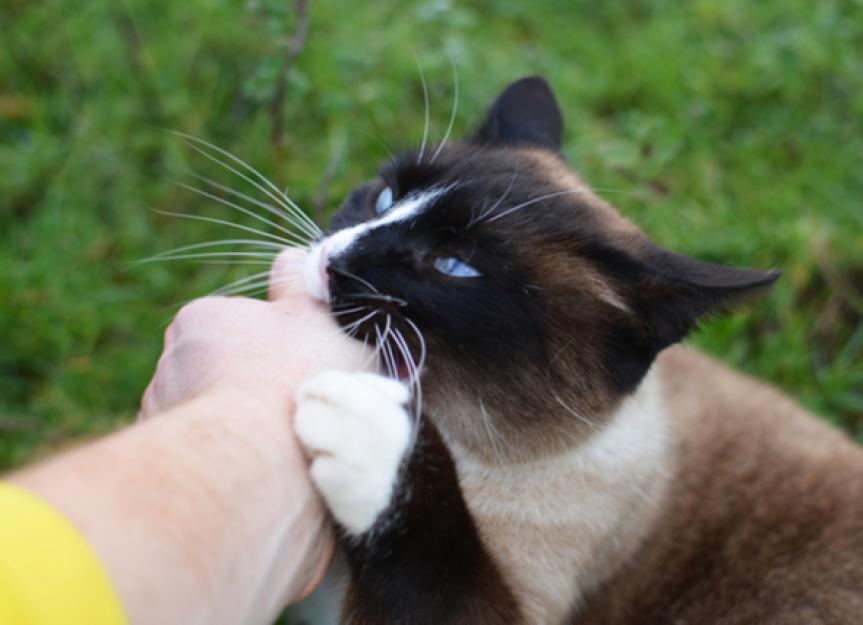
Decoding Cat Language: A Vet's Guide to Preventing Bites & Aggression
Here’s a cold shot of truth from the exam room: that “cute” nip your cat gives might be a hair's breadth away from a full-blown bite. Cats don't just lash out; they communicate discomfort long before teeth are involved. Ignoring those early signals? That's on us, not them.
For Busy Owners: Cat bites are more dangerous than you think, often leading to infection. Learn to recognize subtle signs of feline stress like tail twitching, flattened ears, or changes in eye shape. Respect your cat's space and avoid forcing interaction to prevent aggression.
Why is Understanding Cat Behavior Mission-Critical for Bite Prevention?
The key to
From a clinical perspective, think about it this way. A cat's stress response involves the hypothalamic-pituitary-adrenal (HPA) axis, triggering the release of cortisol. Chronic stress not only increases the likelihood of aggression but also suppresses the immune system, making them more susceptible to infections. It's a cascade, and it starts with us missing the whispers.
The Clinical Perspective (Biological 'Why')
Let’s get granular. When a cat feels threatened, the amygdala (the brain's emotional center) kicks into overdrive. This activates the “fight or flight” response, flooding the body with adrenaline and noradrenaline. Heart rate and blood pressure spike, pupils dilate, and the cat becomes hyper-aware. Now, if that threat persists (say, a child relentlessly trying to pick them up), the cat has three choices: run, freeze, or fight.
Those subtle cues – the flattened ears, the twitching tail – are early attempts to de-escalate the situation. They are saying, “Back off, I'm uncomfortable.” Ignore those, and you're essentially pushing the cat towards that last resort: biting. And honestly, who can blame them at that point?
Home-Care Hacks (Low-Cost, Practical Tips)
- Create Safe Zones: Provide multiple escape routes and hiding spots throughout your home. Cardboard boxes, high shelves, and cat trees offer refuge when your cat feels overwhelmed.
- Respect Boundaries: Never force interaction. Let your cat approach you on their terms. If they walk away, let them go.
- Slow Blinks: Cats use slow blinks as a sign of trust and relaxation. Try slowly blinking at your cat to communicate that you are not a threat. I tell my clients to think of it as a feline 'namaste'.
- Interactive Play: Redirect your cat's predatory instincts with toys like feather wands or laser pointers. This provides mental stimulation and reduces pent-up energy that could lead to aggression.
The Red Flag Checklist (When to Panic vs. When to Wait)
- Sudden Aggression: If your cat suddenly becomes aggressive with no apparent trigger, it's time for a vet visit. Underlying medical conditions can cause pain and irritability.
- Changes in Posture: Watch for a hunched posture, tucked tail, or flattened ears. These are signs of fear and anxiety.
- Hissing or Growling: These are clear warnings that your cat is feeling threatened. Back off immediately and give them space.
- Bite Wounds: Cat bites are notorious for becoming infected. Clean the wound thoroughly with soap and water and seek medical attention.
How to Recognize Early Warning Signs of Cat Aggression and Anxiety?
Most cats will give ample warning before resorting to biting. These signals can be subtle, requiring careful observation of their body language. Recognizing these early cues is crucial for preventing escalation and maintaining a safe environment for both you and your cat. It's about learning to speak fluent feline, and trust me, they're always talking.
Think of it like this: when a cat is stressed, their sympathetic nervous system activates, leading to physiological changes. For example, pupil dilation occurs to enhance vision in a perceived threat. Similarly, piloerection (raised fur) makes the cat appear larger and more intimidating. These are involuntary responses, and they tell us a lot about what's going on inside that furry little head.
Decoding the Feline Body Language: A Vet's Perspective
Okay, let’s break down the key indicators. Tail position is a big one. A twitching tail often signals agitation, while a puffed-up tail indicates fear. Ear position is equally important. Flattened ears pressed against the head are a clear sign of anxiety or aggression. Eyes can also provide clues. Dilated pupils (large, black circles) suggest fear or excitement, while constricted pupils may indicate aggression.
Whisker position is another subtle indicator. Relaxed whiskers point forward or sideways, while tense whiskers pulled back against the face suggest fear or defensiveness. And of course, vocalizations like hissing, growling, and yowling are unmistakable signs of distress.
Why Ignoring These Signs Can Lead to Problems
Here's the deal: ignoring these early warning signs is like poking a bear. You're essentially telling the cat that their attempts to communicate their discomfort are being ignored. This can lead to frustration and, eventually, aggression. It's a classic case of miscommunication between species, and it's our job to bridge that gap.
Moreover, chronic stress can have long-term health consequences for cats. Prolonged activation of the HPA axis can lead to immune suppression, increased susceptibility to infections, and even behavioral problems like excessive grooming or inappropriate elimination. So, it's not just about preventing bites; it's about safeguarding your cat's overall well-being.
What Specific Human Behaviors Trigger Cat Aggression and Bites ?
Many cat bites stem from unintentional human actions that cats perceive as threatening or intrusive. Understanding these triggers is crucial for preventing unwanted aggression. It's not about blaming the human, but about fostering a better understanding of feline needs and boundaries. Honestly, most bites are entirely avoidable with a little awareness.
From a clinical perspective, consider this. Cats are highly sensitive to their environment and rely on predictable routines to feel safe. Disruptions to their territory, changes in their daily schedule, or the presence of unfamiliar people or animals can all trigger anxiety and aggression.
Common Mistakes Pet Owners Make
One common mistake is forcing interaction. Cats are not like dogs; they don't always crave constant attention. Approaching a cat who is sleeping, eating, or hiding can be perceived as a threat. Similarly, picking up or restraining a cat who is trying to get away can trigger a defensive response.
Another mistake is misinterpreting feline behavior. A cat who rolls onto their back is not necessarily inviting a belly rub. They may be feeling threatened and preparing to defend themselves with all four claws. And honestly, I see this in the exam room all the time. Owners think the cat wants affection, but the cat is actually terrified.
How to Modify Your Behavior for a Happier Cat
The key is to respect your cat's boundaries and let them initiate interaction. If your cat approaches you and rubs against your legs, it's a sign that they are seeking attention. However, pay attention to their body language. If they start to twitch their tail or flatten their ears, it's time to back off.
It's also important to provide your cat with a safe and predictable environment. Establish consistent routines for feeding, playing, and grooming. Provide them with plenty of hiding spots and escape routes. And avoid making sudden changes to their territory or schedule.
How Does Stress Impact Cat Behavior and Increase the Risk of Biting?
Chronic stress significantly impacts feline behavior, making cats more prone to aggression and biting. A stressed cat is a reactive cat, and that's a recipe for trouble. It's our job to minimize those stressors and create a calm, predictable environment.
From a biological standpoint, chronic stress leads to elevated levels of cortisol, a hormone that can disrupt the delicate balance of neurotransmitters in the brain. This can impair judgment, increase impulsivity, and lower the threshold for aggressive behavior. It's like living in a constant state of hyper-alertness, and it takes a toll.
The Long-Term Effects of Chronic Stress on Felines
Beyond the immediate risk of biting, chronic stress can have a range of negative health consequences for cats. It can suppress the immune system, making them more susceptible to infections. It can also disrupt their digestive system, leading to vomiting, diarrhea, and loss of appetite.
Moreover, chronic stress can contribute to behavioral problems like excessive grooming, inappropriate elimination, and anxiety-related disorders. It's a vicious cycle: stress leads to behavioral problems, which in turn lead to more stress. And honestly, it's heartbreaking to see.
Creating a Stress-Free Environment for Your Feline Friend
The good news is that there are many things you can do to reduce stress in your cat's life. Provide them with a safe and predictable environment. Establish consistent routines. Avoid making sudden changes to their territory or schedule. And provide them with plenty of opportunities for play and mental stimulation.
You can also consider using feline pheromone diffusers or sprays, which mimic the natural scents that cats use to mark their territory. These pheromones can have a calming effect and help to reduce anxiety. And honestly, I recommend these to all my clients with anxious cats.
What are the Best Strategies for Managing and Preventing Cat Bites in Multi-Pet Households?
Multi-pet households present unique challenges when it comes to cat bite prevention. Competition for resources, territorial disputes, and incompatible personalities can all contribute to aggression and biting. Careful management and early intervention are crucial for maintaining peace and harmony.
From a clinical perspective, consider the impact of social stress on cats living in multi-pet households. Cats are solitary hunters by nature, and they may not always be comfortable sharing their territory with other animals. This can lead to chronic stress, which, as we've already discussed, can increase the risk of aggression and biting.
Introducing New Cats Gradually
One of the most important strategies for preventing aggression in multi-pet households is to introduce new cats gradually. Start by keeping the new cat in a separate room and allowing the cats to get used to each other's scents. You can swap bedding or toys between the cats to facilitate this process.
After a few days, you can start allowing the cats to interact under supervision. Keep the interactions short and positive, and separate the cats if you notice any signs of tension or aggression. Gradually increase the duration of the interactions as the cats become more comfortable with each other.
Providing Ample Resources and Space
It's also important to provide each cat with their own resources, such as food bowls, water bowls, litter boxes, and scratching posts. Avoid placing these resources in high-traffic areas where the cats are likely to encounter each other. And honestly, I always recommend having one more of each resource than the number of cats in the household.
In addition, make sure that each cat has plenty of space to retreat and avoid conflict. Provide multiple hiding spots and escape routes throughout the house. And consider using vertical space, such as cat trees or shelves, to create separate territories for each cat.