

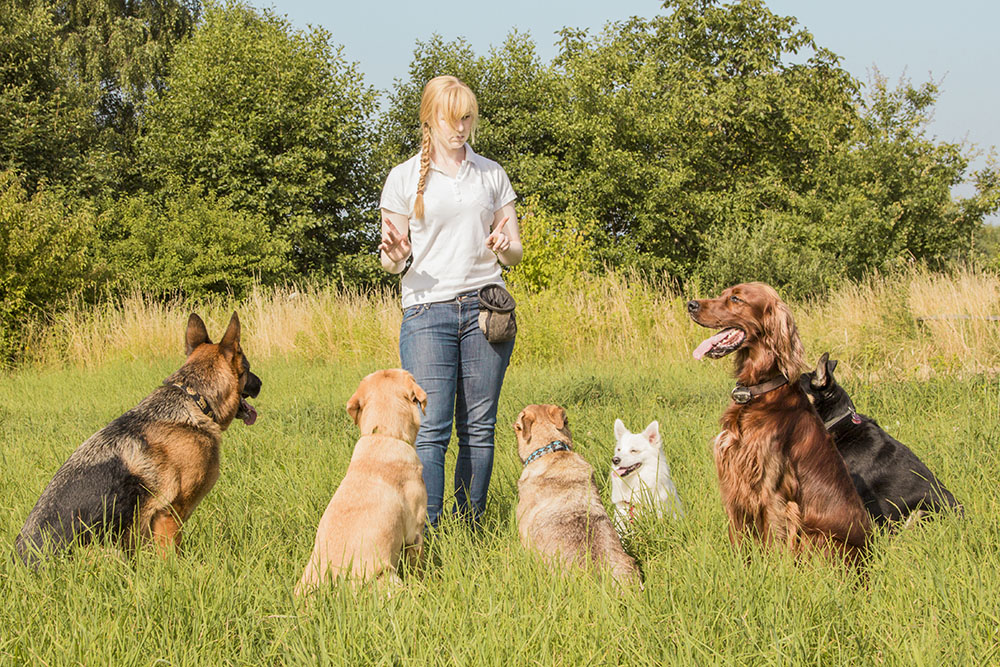
Beyond the Alpha: 5 Modern Dog Training Methods for a Harmonious Home
Here's a counter-intuitive fact from the exam room: many owners think 'obedience' is the goal, but true training success lies in understanding your dog's motivations. It's not about control; it's about communication. Forget the 'alpha' nonsense; your dog wants to please you, if you speak their language.
For Busy Owners: Modern dog training emphasizes positive reinforcement and understanding your dog's needs. These methods foster cooperation and trust, ditching outdated dominance theories. The result? A happier, better-behaved dog and a stronger bond between you.
What are the 5 Modern Dog Training Methods that Actually Work?
Modern dog training revolves around understanding canine behavior and motivation, using positive reinforcement and relationship-building. Forget outdated dominance models; the focus is on clear communication and creating a fulfilling partnership. This leads to better results and a happier, more confident dog.
1. Positive Reinforcement: The Cornerstone of Modern Dog Training
Positive reinforcement is the non-negotiable foundation of almost all modern dog training. This method uses rewards to motivate dogs to repeat desired behaviors. When a dog performs a task you like, you reward them with a treat, toy, or praise, creating a positive association. This is way more effective than yelling, trust me.
The Clinical Perspective (Biological 'Why'): Positive reinforcement works by tapping into the dog's reward system in the brain. When a dog receives a treat or praise, dopamine is released, creating a pleasurable sensation. This strengthens the neural pathways associated with the desired behavior, making it more likely to be repeated. This is also linked to better regulation of cortisol, the stress hormone. Chronically elevated cortisol, from aversive training, can suppress immune function and even affect cognitive abilities via hippocampal damage. I see it all the time in rescue dogs who have had 'traditional' training.
Home-Care Hacks (Low-cost, practical tips): Use high-value treats (cheese, cooked chicken) for new or challenging behaviors. Vary the rewards to keep your dog motivated. Use praise and petting in addition to treats. Keep training sessions short and fun to avoid boredom.
The Red Flag Checklist (When to panic vs. when to wait): If your dog shows signs of fear or anxiety during training, stop immediately and reassess your approach. If positive reinforcement isn't working, consult a certified professional dog trainer. Don't resort to punishment-based methods.
2. Do-As-I-Do Method: Training Through Mimicry
The Do-As-I-Do (DAID) method leverages a dog’s natural ability to learn through observation and imitation. Trainers model a behavior and then ask the dog to mimic it using a “do it” command. This approach can accelerate learning and improve the generalization of behaviors.
The Clinical Perspective (Biological 'Why'): DAID training taps into the dog's mirror neuron system. Mirror neurons fire both when a dog performs an action and when they observe someone else performing that same action. This allows dogs to understand and learn by imitation. Also, the cognitive challenge of imitation can improve executive function, similar to how puzzles work for humans.
Home-Care Hacks (Low-cost, practical tips): Start with simple behaviors that your dog already knows. Break down complex behaviors into smaller steps. Use clear and consistent cues. Make it a game and have fun with it.
The Red Flag Checklist (When to panic vs. when to wait): If your dog is struggling to imitate the behavior, simplify the task or try a different approach. If your dog shows signs of frustration, take a break and try again later. Some dogs are just not 'mimics', and that's OK.
3. Clicker Training: Precision Reinforcement for Fast Learning
Clicker training uses a distinct clicking sound to mark the exact moment a dog performs a desired behavior. The clicker becomes associated with a reward, allowing for precise and consistent reinforcement. This method can be particularly effective for shaping complex behaviors.
The Clinical Perspective (Biological 'Why'): The clicker acts as a conditioned reinforcer. By consistently pairing the click with a reward, the click itself becomes rewarding. This is due to the activation of the same dopamine pathways in the brain as the primary reward (treat). The precise timing of the click allows for very specific targeting of the desired behavior, leading to faster learning.
Home-Care Hacks (Low-cost, practical tips): Start by associating the clicker with a treat. Click and then immediately give your dog a treat. Use the clicker to mark desired behaviors. Keep training sessions short and positive. Fade out the clicker once the behavior is established.
The Red Flag Checklist (When to panic vs. when to wait): If your dog becomes fearful of the clicker sound, desensitize them by pairing the click with a high-value treat at a distance. If your dog is not responding to the clicker, make sure you are using it correctly and consistently.
4. Relationship-Based Dog Training: Building a Bond of Trust and Respect
Relationship-based dog training prioritizes the bond between the dog and owner. This approach focuses on building trust, communication, and mutual respect. It emphasizes understanding the dog's needs and motivations, and using positive reinforcement to guide behavior.
The Clinical Perspective (Biological 'Why'): Relationship-based training reduces stress hormones like cortisol and increases oxytocin levels in both dogs and owners. Oxytocin is known as the 'love hormone' and promotes bonding and social connection. This creates a positive feedback loop, where the relationship itself becomes a source of reinforcement.
Home-Care Hacks (Low-cost, practical tips): Spend quality time with your dog every day. Learn to read your dog's body language. Communicate clearly and consistently. Be patient and understanding. Focus on building a positive relationship.
The Red Flag Checklist (When to panic vs. when to wait): If your dog shows signs of fear, anxiety, or aggression, consult a certified professional dog trainer or veterinary behaviorist. Don't try to force your dog to do something they are uncomfortable with.
5. Negative Punishment: A Humane Way to Discourage Undesirable Behaviors
Negative punishment involves removing something the dog values to decrease the likelihood of an unwanted behavior. For example, if a dog jumps on you for attention, you would turn away and ignore them. This removes the attention they are seeking, making them less likely to jump in the future.
The Clinical Perspective (Biological 'Why'): Negative punishment works by reducing the reward associated with the unwanted behavior. By removing the attention or other desired outcome, the behavior becomes less reinforcing. This can lead to a decrease in the frequency of the behavior over time.
Home-Care Hacks (Low-cost, practical tips): Be consistent with your response to the unwanted behavior. Make sure everyone in the household is on board. Combine negative punishment with positive reinforcement for desired behaviors. Be patient and understanding.
The Red Flag Checklist (When to panic vs. when to wait): Avoid using negative punishment if the dog is fearful or anxious. If the behavior is dangerous, seek professional help. Always prioritize the dog's safety and well-being.
Why Are Alpha Dog and Aversive Training Methods Falling Out of Popularity?
Outdated methods like alpha dog training and aversive techniques are losing favor due to their potential for harm and ineffectiveness. These methods are based on flawed science and can lead to fear, anxiety, and aggression in dogs. Modern trainers recognize the importance of positive reinforcement and relationship-building.
The Clinical Perspective (Biological 'Why'): Aversive training methods increase cortisol levels, leading to chronic stress and anxiety. This can suppress the immune system, impair cognitive function, and damage the dog-owner bond. Furthermore, fear-based training can create learned helplessness, where the dog gives up trying to learn and becomes withdrawn.
Home-Care Hacks (Low-cost, practical tips): Educate yourself on modern dog training methods. Avoid using punishment-based techniques. Focus on building a positive relationship with your dog. Consult a certified professional dog trainer for guidance.
The Red Flag Checklist (When to panic vs. when to wait): If you are using aversive training methods, stop immediately. If your dog shows signs of fear, anxiety, or aggression, seek professional help. Prioritize your dog's well-being.
Conclusion: Embracing a Positive Future for Dog Training
Modern dog training is about understanding, communication, and positive reinforcement. By embracing these methods, we can build stronger bonds with our dogs and create a more harmonious relationship. Patience and consistency are mission-critical, and the rewards are well worth the effort. Honestly, seeing a dog and owner truly connect is one of the best parts of my job.