

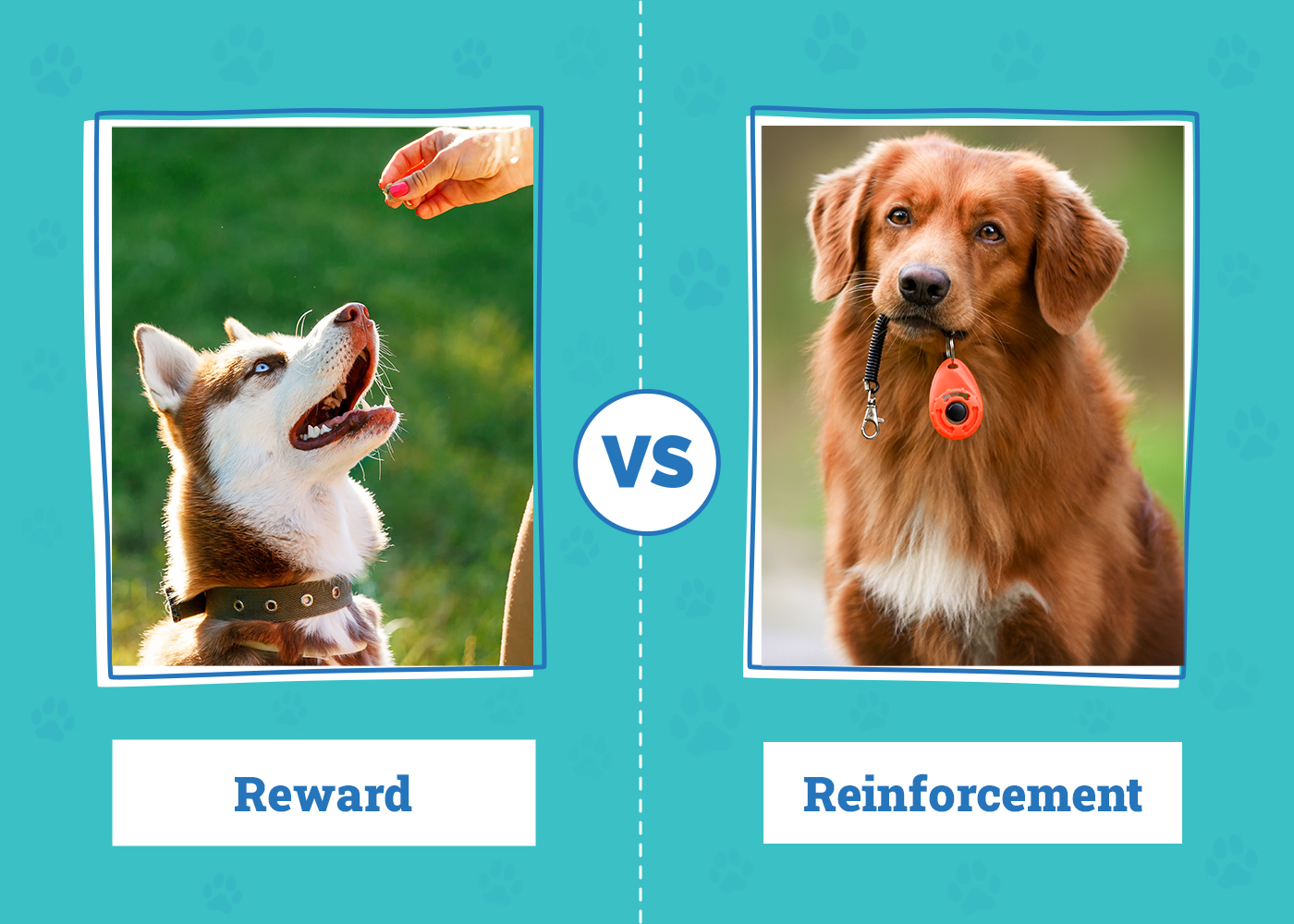
Rewards vs. Reinforcement: Optimizing Your Dog's Training (Vet-Approved)
Here's a fact that might surprise you: sometimes, giving your dog what they want can actually make them *less* likely to listen in the future. That's because the line between 'reward' and 'reinforcement' isn't always clear, and muddling them up can sabotage your training efforts. Honestly, it’s a mistake I see owners make all the time in the exam room.
For busy owners, here’s the deal: Rewards are things your dog enjoys, like treats or praise. Reinforcement is how those rewards influence future behavior. Understanding the difference is mission-critical for effective and ethical dog training.
What's the Difference Between Reward and Reinforcement in Dog Training?
Rewards are positive outcomes that dogs receive for a desired behavior, often tasty treats. Reinforcement, on the other hand, is the connection between rewards and behaviors, strengthening the likelihood of that behavior recurring. Think of rewards as the 'what' and reinforcement as the 'why' behind your dog's actions.
Overview of Reward Training: Is it Right for My Dog?
Reward training centers around giving your dog something they love when they do something you want them to do. The most common reward is food, but it could be a toy, praise, or even a chance to sniff that fire hydrant they've been eyeing. It’s all about creating positive associations.
Different Types of Rewards That Motivate Dogs
Rewards are anything your dog finds enjoyable and will actively seek out. This could be food treats (high-value like cheese or liver, or lower-value like kibble), toys (fetch, tug-of-war), verbal praise (enthusiastic “Good boy!”), or even environmental rewards (access to a new area to explore). Keep in mind that individual dogs have individual preferences. What one dog finds irresistible, another might shrug off.
Now, here’s the biological depth. The anticipation of a reward triggers the release of dopamine in the dog's brain, specifically in the mesolimbic pathway. This dopamine surge creates a feeling of pleasure and motivates the dog to repeat the behavior that led to the reward. Over time, this strengthens the neural pathways associated with that behavior, making it more likely to occur in the future. It’s basic neurochemistry at play.
How Rewards Work: The Clinical Perspective
Rewards work because dogs are constantly evaluating their environment and learning what actions lead to positive outcomes. When a dog performs a behavior and receives a reward, they learn to associate that behavior with the pleasurable sensation caused by dopamine release. This association strengthens over time through repetition, making the behavior more likely to occur in the future.
But here's something to keep in mind from a clinical perspective: A reward’s effectiveness can change. A treat that's highly motivating one day might be ignored the next if the dog isn't hungry or is stressed. Also, some dogs have a genetic predisposition to be more food-motivated than others. This variance is something I always consider when working with clients.
Pros and Cons of Reward-Based Training: A Balanced View
Reward-based training has several advantages. It's a positive and humane method that builds a strong bond between dog and owner. It encourages the dog to think and make choices, leading to more confident and well-adjusted animals. However, it can be challenging to identify the *most* effective rewards for each dog, and you risk inadvertently reinforcing unwanted behaviors if your timing isn't spot-on.
Overview of Reinforcement Training: A Deeper Dive
Reinforcement goes beyond simply giving a reward. It's about creating a clear and consistent connection between a behavior and its consequence. Reinforcement leverages the dog's natural ability to learn through association, and it comes in two flavors: positive and negative.
Different Types of Reinforcement: Primary and Secondary
There are two main types of reinforcement: primary and secondary. Primary reinforcers are things that have intrinsic value to the dog, such as food, water, or relief from pain. Secondary reinforcers, on the other hand, are things that have acquired value through association with primary reinforcers. A classic example is a clicker. The clicker sound itself means nothing to the dog initially, but when paired consistently with a treat, it becomes a powerful predictor of reward.
The biological 'why' here is fascinating. When a secondary reinforcer (like the clicker) is consistently paired with a primary reinforcer (like a treat), it begins to activate the same dopamine pathways in the brain. The dog learns that the clicker predicts the imminent arrival of the treat, and the clicker itself becomes rewarding. This is classical conditioning at its finest, and it’s how dogs learn to associate seemingly neutral stimuli with positive outcomes.
Understanding Reinforcement Schedules for Faster Learning
Reinforcement schedules dictate how often a behavior is reinforced. Continuous reinforcement (rewarding every instance of the behavior) is useful for initially teaching a new behavior. However, once the behavior is established, intermittent reinforcement (rewarding only some instances) is more effective for maintaining it. Variable ratio schedules (where the reward is given after a variable number of responses) are particularly powerful for creating persistent behaviors.
Pros and Cons of Reinforcement Training: What to Consider
Reinforcement training is incredibly effective for shaping behavior and building strong stimulus-response connections. It can be used to teach complex behaviors and can be tailored to individual dogs. However, it requires careful planning, precise timing, and a thorough understanding of canine behavior. It can also inadvertently reinforce unwanted behaviors if the owner isn't paying close attention.
How Rewards Relate to Reinforcement: The Interplay
Rewards are the tools we use to implement reinforcement. Reinforcement is the overall strategy. You can't have reinforcement without rewards (or, in the case of negative reinforcement, the removal of aversive stimuli). But simply giving rewards doesn't guarantee reinforcement. The reward must be contingent on the desired behavior, and it must be delivered in a timely and consistent manner.
Reward vs. Negative Reinforcement: Ethical Considerations
Negative reinforcement involves removing something unpleasant when the dog performs the desired behavior. For example, you might apply gentle pressure to a dog's collar and release the pressure when they sit. While effective, negative reinforcement can be ethically problematic if not used carefully. It can create anxiety and fear if the aversive stimulus is too strong or if the dog doesn't understand what's expected of them.
I tell my clients that positive reinforcement is almost always the better choice. The risk of fallout—anxiety, fear, aggression—is much lower.
Using Reward vs. Reinforcement: Tailoring Your Approach
The best approach to dog training involves a combination of rewards and reinforcement. Start by identifying what motivates your dog and using those rewards to reinforce desired behaviors. Be consistent with your timing and delivery of rewards, and gradually fade the rewards as the behavior becomes more established. And always prioritize positive reinforcement over negative reinforcement whenever possible.
Home-Care Hacks for Successful Dog Training
- High-Value Treats: Use small, easily consumable treats that your dog loves.
- Clicker Training: A clicker can be a powerful tool for marking desired behaviors.
- Short Sessions: Keep training sessions short and fun to maintain your dog's focus.
- Consistency is Key: Everyone in the household should use the same commands and reward system.
The Red Flag Checklist: When to Seek Professional Help
- Aggression: If your dog is showing signs of aggression, consult with a qualified behaviorist.
- Anxiety: Excessive barking, destructive behavior, or fearfulness can indicate anxiety.
- Lack of Progress: If you're not seeing progress with your training efforts, seek guidance from a professional.
Conclusion: Mastering the Art of Dog Training
Understanding the difference between rewards and reinforcement is mission-critical for successful dog training. By using rewards strategically and implementing effective reinforcement schedules, you can shape your dog's behavior in a positive and humane way. And remember, every dog is an individual, so be patient, adaptable, and always prioritize your dog's well-being.