

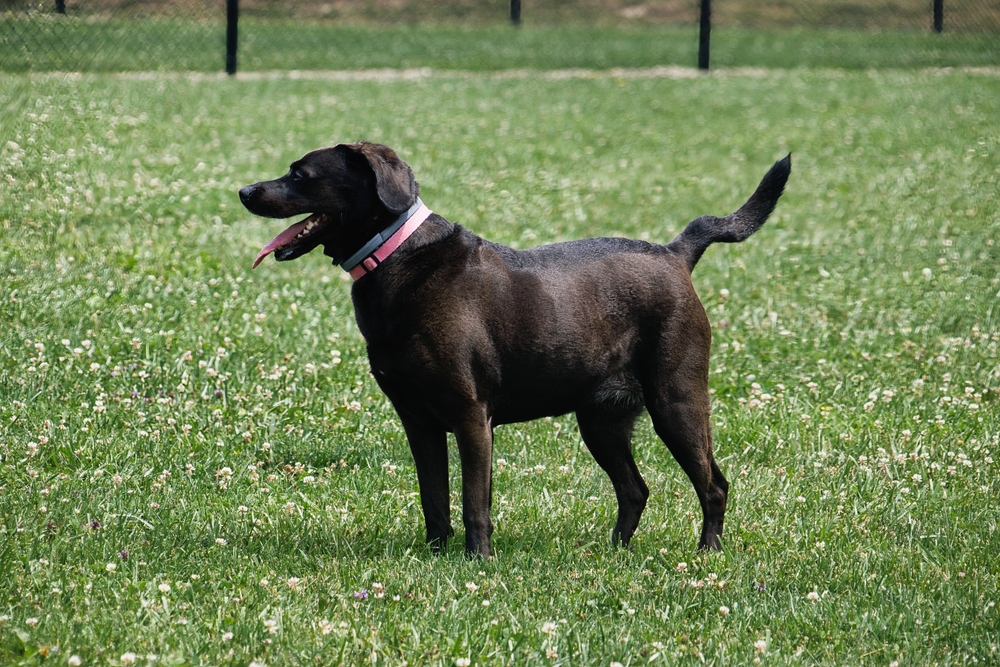
Why is My Dog's Tail Kinked? Decoding the Curve
Here's a fact that slaps many owners in the face: that cute, curled tail some breeds sport? It's often a vertebral deformity. So, while you might think it's adorable, it's not always just a 'feature' – sometimes, it's a genetic hiccup. Let's get into it.
For Busy Owners: A kinked tail in dogs can stem from genetics, injuries, or conditions like limber or happy tail syndrome. Most kinked tails are cosmetic and harmless. However, a vet visit is mission-critical if the kink is new, painful, or impacts tail movement.
Why is My Dog's Tail Kinked? The Top 4 Reasons
A kinked tail in dogs can result from several factors, including congenital issues, trauma, or specific syndromes. While often a superficial concern, it's crucial to understand the potential underlying causes. This ensures appropriate care and addresses any pain or mobility issues. Think of it as decoding your dog's body language, one curve at a time.
1. Genetic Predisposition: Is My Dog Born with a Kinked Tail?
Some dogs are born with kinked tails due to genetics, specifically a condition called hemivertebrae. This congenital issue leads to malformed vertebrae. This is most often seen in breeds like Bulldogs and Pugs. The biological mechanism involves disrupted signaling pathways during embryonic development. This impacts vertebral segmentation. A mutation affects the genes responsible for proper bone formation. This is why breeders need to be so careful., The short version? The vertebrae don't form correctly in the womb., leading to that tell-tale kink.
The Clinical Perspective: Hemivertebrae can range in severity. Mild cases might only cause a cosmetic kink. Severe cases can compress the spinal cord, leading to neurological deficits like ataxia (wobbly gait) or even paralysis. The degree of spinal cord involvement depends on the location and extent of the vertebral malformation.
Home-Care Hacks: Honestly, there's not much you can do at home for a genetically kinked tail. However, if your dog is prone to spinal issues due to hemivertebrae, maintaining a healthy weight is non-negotiable. Excess weight puts added stress on the spine. Also, avoid activities that could cause spinal trauma, like rough play or jumping from heights.
The Red Flag Checklist: Watch for signs of neurological problems: weakness, incoordination, urinary or fecal incontinence. These warrant an immediate vet visit. A mild kink with no other symptoms is usually no cause for alarm. But, be vigilant about any changes.
2. Tail Fractures: How Can Injuries Cause a Kinked Tail in Dogs?
Injuries, such as being stepped on or hit by an object, can fracture a dog's tail, leading to a kink. These fractures damage bone, muscle, and nerves. Improper healing can result in a permanently kinked tail. The healing process involves the formation of a callus at the fracture site. If the bone fragments are misaligned, the callus will stabilize the bone in an abnormal position., resulting in the kink., I can't tell you how many times I've seen this in the exam room after someone accidentally closed a door on their dog's tail.
The Clinical Perspective: Tail fractures are excruciating. Besides the obvious kink, you might notice swelling, bruising, and extreme sensitivity to touch. Nerve damage can also lead to decreased tail wagging or even fecal incontinence if the nerves controlling the anal sphincter are affected.
Home-Care Hacks: If you suspect a tail fracture, stabilize the tail with a light bandage and get to a vet ASAP. Do not attempt to reset the fracture yourself. This can cause further damage. Confine your dog to a small area to restrict movement. This will promote healing. Consider a donut-shaped pillow to prevent pressure on the tail when lying down.
The Red Flag Checklist: Unnatural tail position, refusal to wag, yelping when touched, or any neurological signs are red flags. A limp tail is also a major concern. Don't delay seeking veterinary attention.
3. Limber Tail Syndrome: Why Does My Dog's Tail Look Kinked After Exercise?
Limber tail syndrome (acute caudal myopathy) is a muscular disorder that can make a dog's tail appear kinked. This usually affects dogs with undocked tails. Overexertion injures the muscles responsible for tail movement. This is common in active breeds. The exact mechanism isn't fully understood. It's believed to involve muscle strain and inflammation. Glycogen depletion and lactic acid buildup in the tail muscles may also play a role.
The Clinical Perspective: Limber tail syndrome presents as a sudden onset of a painful, limp tail. The tail is often held horizontally for a few inches from the base. Then it droops down. Dogs may be reluctant to sit or wag their tails. Palpation of the tail muscles reveals pain and spasms.
Home-Care Hacks: Rest is mission-critical. Avoid strenuous activity for several days. Apply warm compresses to the tail muscles to ease discomfort. Nonsteroidal anti-inflammatory drugs (NSAIDs) prescribed by your vet can help manage pain and inflammation. Never give human medications. These can be toxic to dogs.
The Red Flag Checklist: Persistent pain despite home care, fever, or any signs of neurological issues necessitate a vet visit. While limber tail syndrome is usually self-limiting, it's important to rule out other potential causes of tail pain.
4. Happy Tail Syndrome: Can Excessive Wagging Lead to a Kinked Tail?
Happy tail syndrome occurs when dogs with long, thin tails repeatedly wag them against hard surfaces. This causes injuries to the tail tip. Repeated trauma can lead to nerve damage and wound formation. Over time, this can result in a kink near the tail's end. The constant trauma disrupts blood supply to the tail tip. This leads to tissue damage and scar tissue formation. This scar tissue can contract. This pulls the tail into an abnormal shape., hence the kink.
The Clinical Perspective: Happy tail syndrome is characterized by a bleeding, ulcerated tail tip. The tail may be thickened and scarred. Some dogs develop a painful neuroma (nerve tumor) at the site of injury. This contributes to chronic pain and sensitivity.
Home-Care Hacks: The key is to prevent further trauma. Protect the tail with a bandage or a padded tail guard. Provide ample space for your dog to wag without hitting objects. Address any underlying behavioral issues that contribute to excessive wagging. This can include anxiety or boredom.
The Red Flag Checklist: Non-healing wounds, severe pain, or signs of infection (pus, redness, swelling) require veterinary intervention. In severe cases, tail amputation may be necessary to resolve chronic pain and infection.
Can a Dog’s Kinked Tail Be Fixed?
The "fixability" of a kinked tail depends entirely on the underlying cause. Congenital kinks or old, improperly healed fractures are often permanent. Fresh fractures can sometimes be reset by a veterinarian. This encourages healing in a more natural position. Chronic pain associated with a kinked tail always warrants investigation. As I tell my own clients, it's always best to consult with a vet. This will address any concerns and determine the best course of action.
Final Thoughts
A kinked tail in dogs can be a harmless quirk or a sign of an underlying issue. Understanding the potential causes—genetics, injuries, limber tail syndrome, or happy tail syndrome—is mission-critical. If you have any concerns about your dog's tail, don't hesitate to seek veterinary advice. Early diagnosis and treatment can help prevent further complications and ensure your furry friend's well-being.