

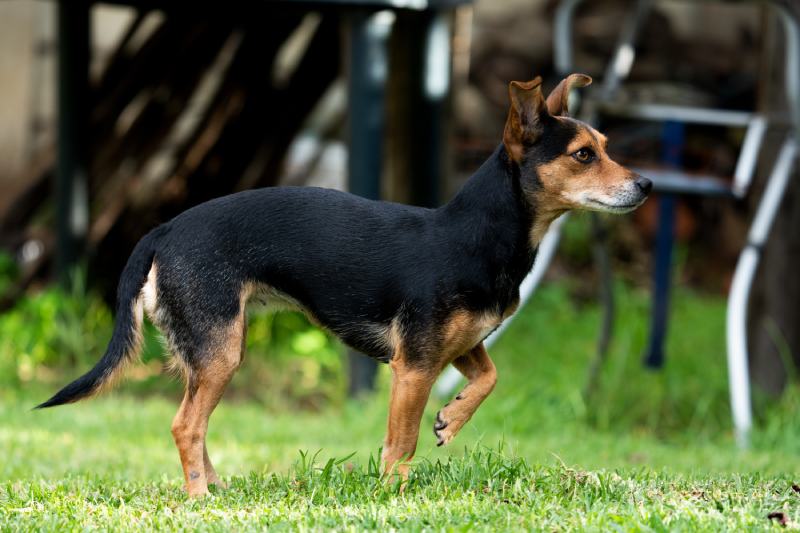
Why is My Dog Limping? A Vet's Deep Dive into Causes & Home Care
Here's a counter-intuitive fact straight from the exam room: not all limping is created equal. Sometimes, that slight hitch in your dog's gait is more concerning than a full-blown, three-legged hobble. It's all about the underlying cause, and honestly, figuring that out can be a real head-scratcher.
For Busy Owners: Limping in dogs indicates pain or dysfunction and requires investigation. Causes range from minor sprains to severe conditions like cancer. Prompt veterinary attention is crucial for accurate diagnosis and effective management.
Why is My Dog Suddenly Limping? Understanding the Root Cause
If your normally spry and active dog suddenly starts favoring a leg, it's natural to panic. Limping, or lameness (vet-speak for an abnormal gait), is a non-specific sign of pain. Pinpointing the exact reason can be complicated. The key is to consider possible causes, from simple soft tissue injuries to more sinister underlying conditions. Think of it like this: limping is the symptom, not the disease itself.
The Clinical Perspective (Biological 'Why')
When a dog experiences pain, several biological mechanisms kick in. Inflammation, characterized by the release of cytokines and recruitment of immune cells, plays a major role. This inflammatory cascade can affect nerve function, leading to altered gait and weight-bearing. Chronic pain can even lead to changes in the central nervous system, a phenomenon known as "central sensitization," making the pain feel more intense and persistent.
What are the Common Causes of Soft Tissue Injuries Causing Dog Limping?
One of the most frequent reasons for limping is soft tissue trauma. This includes everything from muscle strains and sprains to bruises and contusions. Tendonitis (inflammation of a tendon) and bursitis (inflammation of a bursa, a fluid-filled sac that cushions joints) also fall into this category. These injuries often result from overuse, especially in active dogs, or from sudden trauma like a fall or awkward landing. Even something as simple as an insect bite can cause localized pain and limping.
Home-Care Hacks (Low-cost, practical tips)
- Rest is non-negotiable: Confine your dog to a crate or small room to limit activity.
- Cold compress: Apply a cold pack to the affected area for 15-20 minutes, 2-3 times a day, especially in the first 24-48 hours. This helps reduce inflammation.
- Gentle massage: After the initial inflammation subsides, gentle massage can help improve circulation and reduce muscle spasms.
The Red Flag Checklist (When to panic vs. when to wait)
- Limping that doesn't improve after 24-48 hours of rest
- Severe pain (vocalization, reluctance to move)
- Obvious swelling or deformity
- Limping accompanied by fever, loss of appetite, or lethargy
Could Spinal Issues or Nerve Pain be Causing My Dog's Limp?
Limping can also stem from problems in the spine or nerves. Front leg lameness might be linked to issues in the cervical (neck) or thoracic (upper back) spine, while hind limb limping can be due to problems in the sacral, lumbar (lower back), thoracic, or cervical regions. Spinal conditions like intervertebral disc disease (IVDD) can compress nerves, leading to pain, weakness, and even paralysis. Nerve damage from trauma or tumors can also cause limping.
The Clinical Perspective (Biological 'Why')
Spinal cord injuries disrupt the transmission of nerve signals, affecting proprioception (the sense of body position). This can lead to knuckling (walking on the top of the paw) or dragging the feet. In severe cases, the compression of the spinal cord can cause irreversible damage to neurons, leading to permanent neurological deficits. Furthermore, the inflammatory response following a spinal injury can exacerbate nerve damage.
What Kind of Bone Injury or Disease Can Lead to a Dog Limping?
Bone injuries are a more serious cause of limping. Fractures, whether obvious or hairline, are extremely painful. Bone cancer, while less common, can also weaken bones and lead to fractures. Other bone conditions, such as bone bruises, infections (osteomyelitis), and degenerative changes, can also cause lameness. Certain breeds are predisposed to specific bone diseases, like panosteitis (growing pains) in young, large-breed dogs.
Home-Care Hacks (Low-cost, practical tips)
- Strict confinement: Absolutely no running, jumping, or playing. Crate rest is essential.
- Supportive bedding: Provide a soft, comfortable bed to cushion the injured bone.
- Monitor pain levels: Observe your dog for signs of pain, such as panting, restlessness, or reluctance to move.
How Does Joint Pain or Injury Result in Limping for Dogs?
Joint pain is a very common culprit behind limping, especially in older dogs. Injuries like cruciate ligament tears are frequent and often require surgery. Inherited conditions like hip or elbow dysplasia can also cause lameness. As dogs age, they can develop degenerative joint diseases like osteoarthritis, which leads to chronic pain and stiffness. These conditions affect the cartilage and synovial fluid within the joint, leading to inflammation and reduced range of motion.
The Clinical Perspective (Biological 'Why')
Osteoarthritis involves the breakdown of cartilage, the protective layer within joints. This leads to bone-on-bone friction, causing pain and inflammation. The body attempts to repair the damage by forming bone spurs (osteophytes), which can further restrict joint movement. Inflammatory mediators like prostaglandins contribute to the pain and swelling.
Could a Foot or Paw Injury Be the Reason My Dog is Limping?
Don't overlook the obvious: foot and paw injuries are a common cause of limping. Torn toenails, injured paw pads, and foreign objects like thorns or glass can all cause pain and lameness. Dogs can also sprain or fracture their toes and feet. A quick visual inspection of the paws is always the first step when your dog starts limping.
Home-Care Hacks (Low-cost, practical tips)
- Inspect the paws: Carefully examine the paw pads and between the toes for any injuries or foreign objects.
- Clean the wound: If you find a wound, clean it with mild soap and water.
- Bandage the paw: Apply a clean bandage to protect the injury.
Can Infectious Disease Cause a Dog to Suddenly Start Limping?
Certain infectious diseases, particularly those transmitted by ticks, can cause limping. Lyme disease and Rocky Mountain Spotted Fever are prime examples. These diseases cause swollen, painful joints, leading to lameness. Other signs, like fever, loss of appetite, and vomiting, may also be present. Prevention is key: keep your dog on a regular flea and tick preventative.
The Clinical Perspective (Biological 'Why')
Tick-borne diseases like Lyme disease trigger an immune response that leads to inflammation in the joints. The bacteria responsible for Lyme disease, Borrelia burgdorferi, can persist in the body for extended periods, causing chronic inflammation and joint damage. The immune system's attempt to eliminate the bacteria can paradoxically contribute to the disease's pathology.
Is it Possible That Cancer is Causing My Dog's Limp?
Sadly, cancer is a potential cause of limping. Bone cancer, particularly osteosarcoma, is more common in large breeds like Golden Retrievers and Rottweilers. You might notice swelling on the affected leg, in addition to limping. In some cases, the bone may fracture at the site of the tumor. Diagnosis typically involves X-rays and a biopsy.
The Clinical Perspective (Biological 'Why')
Osteosarcoma is an aggressive bone tumor that disrupts normal bone remodeling processes. The tumor cells produce abnormal bone tissue, weakening the bone and making it prone to fractures. The tumor can also spread to other parts of the body (metastasis), particularly the lungs.
What Steps Should I Take If My Dog Is Limping?
If your dog is limping, start by checking the affected limb and foot for any signs of injury. Contact your veterinarian if you find anything concerning. While mild limping might resolve with rest, certain signs warrant immediate veterinary attention. These include:
- Visible bones poking through the skin
- Severe swelling
- Vocalization of pain
- Limping with a fever
- A hot leg
Contact a Vet for Help
Even if the limping seems mild, it's always best to consult with a veterinarian. They can help determine the underlying cause and recommend appropriate treatment. This might include pain medication, anti-inflammatory drugs, or even surgery.
Modify Your Home
Making adjustments to your home can help your dog recover more comfortably. Barricade staircases with baby gates, move furniture to provide more walking space, and consider using ramps to help your dog access furniture.
Conclusion
Watching your dog limp can be distressing. While the causes of limping range from mild to severe, it's always best to err on the side of caution and seek veterinary attention. Early diagnosis and treatment can significantly improve your dog's prognosis and quality of life. And honestly, that's what matters most.