

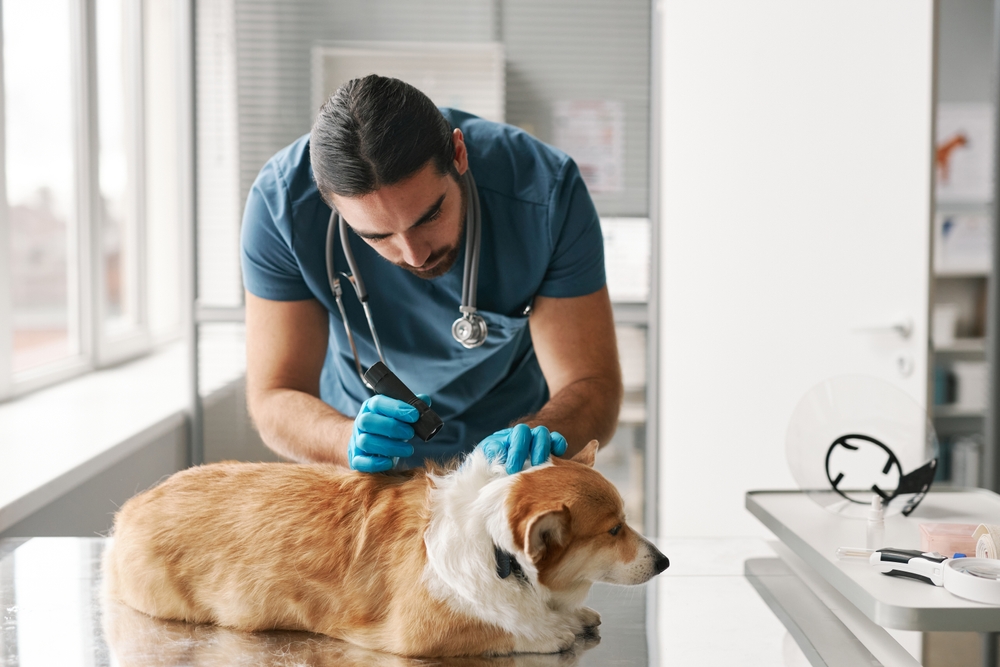
Why Is My Dog's Skin Changing Color? A Vet's Guide to Discoloration & What It Means
Here's a counter-intuitive fact I tell my clients in the exam room all the time: a few new black spots on your older dog are usually nothing to worry about. In fact, they are often the canine equivalent of age spots. The real concern arises when discoloration is accompanied by other symptoms, like furious scratching or a sudden change in skin texture.
For Busy Owners: Skin discoloration in dogs can range from harmless to serious. Monitor for additional symptoms like itching or hair loss. When in doubt, consult with your veterinarian for an accurate diagnosis and treatment plan.
What Exactly Is Skin Discoloration in Dogs?
Skin discoloration in dogs refers to any noticeable change in the normal color of their skin. This can manifest as darkening (hyperpigmentation), lightening (hypopigmentation), redness, or the appearance of spots or patches. Remember, a dog's natural skin tone varies depending on breed and genetics; some have pink skin, others black, and some a mix. The key is to recognize what's normal for *your* dog so you can catch any unusual changes early.
From a clinical perspective, the underlying biology involves melanocytes, the cells responsible for producing melanin, the pigment that gives skin its color. Factors like inflammation, hormonal imbalances (think Cushing’s disease altering cortisol levels), or even simple friction can disrupt melanocyte function, leading to localized changes in skin pigmentation. For example, chronic inflammation can trigger melanocytes to produce excess melanin, resulting in hyperpigmentation.
What Are the Key Signs of Skin Discoloration in Dogs I Should Watch For?
The most obvious sign is, well, a change in skin color. But honestly, sometimes it's not that straightforward. You might notice subtle changes that are easy to miss if you aren't actively looking. Keep an eye out for scaly skin, persistent redness (erythema), oozing sores, relentless itching (pruritus in vet-speak), pain when you touch the area, or even a foul odor emanating from the skin.
Now, if your dog already has black spots and you notice more appearing as they age, that's probably nothing to worry about. However, new spots accompanied by any of the symptoms above warrant a vet visit. Don't wait and see. I've seen too many cases where a "wait-and-see" approach allowed a minor issue to snowball into something much more complicated.
What Are the Common Causes of Skin Discoloration in Dogs? And How Are They Diagnosed?
Several conditions can cause skin discoloration in dogs. The most common culprits include hyperpigmentation, hypothyroidism, allergies, Cushing’s syndrome, contact dermatitis, discoid lupus erythematosus (DLE), infections, liver disease, and petechiae/bruising. Each has its own underlying mechanism and diagnostic path, requiring a keen eye and often a bit of detective work.
Hyperpigmentation: Why is My Dog Developing Dark Spots on Their Skin?
Hyperpigmentation is the darkening of the skin due to an increase in melanin. Primary hyperpigmentation is rare, often seen in Dachshunds, and usually appears around one year of age. Secondary hyperpigmentation, however, is quite common and typically arises from chronic inflammation or friction. Think of it as the skin's response to constant irritation, like a callous forming on your hand.
Biologically, chronic inflammation stimulates melanocytes to produce more melanin. In obese dogs, skin folds create friction, leading to inflammation and subsequent hyperpigmentation. In allergic dogs, constant scratching and licking cause similar changes. Diagnosis involves ruling out other conditions and identifying the underlying cause of the inflammation.
Hypothyroidism: Can Thyroid Problems Cause Skin Changes in Dogs?
Hypothyroidism, a deficiency in thyroid hormone production, is a relatively common endocrine disorder in dogs. This deficiency disrupts numerous metabolic processes, including skin cell turnover and pigmentation. Reduced thyroid hormone levels can lead to a cascade of symptoms, including weight gain, lethargy, hair loss, flaky skin, and yes, increased dark pigmentation.
From a biological standpoint, thyroid hormones regulate cell metabolism and growth. A deficiency slows down these processes, leading to a buildup of dead skin cells and altered melanocyte activity. Diagnosis usually involves blood tests to measure thyroid hormone levels (T4 and TSH) and, in some cases, thyroid antibody testing.
Allergies: How Do Allergies Lead to Skin Discoloration in Dogs?
Allergies, whether environmental or food-related, are a frequent cause of skin problems in dogs. Chronic, unmanaged allergies lead to persistent inflammation, which, as we discussed, can trigger secondary hyperpigmentation. The constant itching and scratching damage the skin barrier, making it more susceptible to secondary infections, further complicating the picture.
The allergic cascade begins with exposure to an allergen (e.g., pollen, dust mites, certain food proteins). This triggers an immune response, releasing inflammatory mediators like histamine, which cause itching and redness. Over time, this chronic inflammation alters melanocyte function, leading to hyperpigmentation. Diagnosis involves allergy testing (skin or blood tests) and dietary trials to identify the offending allergens.
Cushing’s Syndrome: Can This Disease Affect My Dog's Skin Color?
Cushing's syndrome, or hyperadrenocorticism, is an endocrine disorder characterized by excessive cortisol production. This hormonal imbalance can stem from pituitary or adrenal gland tumors, or long-term steroid use. One of the hallmark signs is hyperpigmentation, often accompanied by hair loss or thinning, a pot-bellied appearance, and increased thirst and urination.
Excess cortisol has a wide range of effects on the body, including suppressing the immune system and altering skin metabolism. It can directly stimulate melanocytes, leading to increased melanin production and hyperpigmentation. Diagnosis involves a combination of blood tests (ACTH stimulation test, low-dose dexamethasone suppression test) and imaging (ultrasound, MRI) to identify the underlying cause.
Contact Dermatitis: What Happens When My Dog Touches an Irritant?
Contact dermatitis is skin irritation caused by direct exposure to an irritant or allergen. This could be anything from harsh chemicals in cleaning products to certain plants or even your dog's shampoo. The affected area typically develops a rash or red, irritated patches, which may leave behind discoloration once healed.
The biological mechanism involves direct damage to the skin barrier by the irritant, triggering an inflammatory response. This inflammation, in turn, can stimulate melanocytes, leading to hyperpigmentation. Diagnosis involves identifying and eliminating the offending substance and treating the inflammation with topical or systemic medications.
Discoid Lupus Erythematosus (DLE): What's This Autoimmune Condition?
Discoid lupus erythematosus (DLE) is an autoimmune skin condition where the immune system mistakenly attacks the skin cells. It most commonly affects the nose, causing crusting, scabbing, and a loss of pigmentation, leading to a lighter discoloration of the skin. In severe cases, it can cause ulceration and scarring.
The exact cause of DLE is unknown, but it's thought to involve a combination of genetic and environmental factors. The immune system attacks melanocytes, leading to their destruction and subsequent hypopigmentation. Diagnosis involves a skin biopsy to confirm the presence of characteristic lesions and rule out other conditions.
Infections: How Do Bacterial and Fungal Infections Change Skin Color?
Skin infections, whether bacterial or fungal (yeast), are common secondary problems in dogs with allergies or compromised skin barriers. These infections can cause redness, inflammation, and sometimes discoloration. Scarring from old infections can also leave behind hyperpigmentation.
Infections trigger an inflammatory response, leading to vasodilation (increased blood flow) and redness. Some bacteria and fungi also produce pigments that can directly stain the skin. Diagnosis involves skin cytology (microscopic examination of skin cells) and culture to identify the specific infectious agent.
Liver Disease: Can This Cause Yellow Skin?
Liver disease can lead to jaundice, a yellow discoloration of the skin, eyes, and mucous membranes. This occurs when the liver fails to properly process bilirubin, a yellow pigment produced during the breakdown of red blood cells. The buildup of bilirubin in the blood causes the characteristic yellowing.
Liver disease can result from various causes, including infections, toxins, tumors, and congenital abnormalities. Jaundice is a serious sign and requires immediate veterinary attention. Diagnosis involves blood tests to assess liver function and imaging (ultrasound, biopsy) to determine the underlying cause.
Petechiae/Bruising: What Do These Red Dots Mean?
Petechiae are small, pinpoint-sized red dots that appear on the skin or mucous membranes, representing tiny hemorrhages. Bruising, on the other hand, is larger areas of discoloration caused by blood leaking under the skin. Both can indicate underlying problems, ranging from minor injuries to serious bleeding disorders.
Petechiae often result from thrombocytopenia (low platelet count) or vasculitis (inflammation of blood vessels). Bruising can occur from trauma or clotting abnormalities. Petechiae warrant immediate veterinary attention to rule out life-threatening conditions.
How Do I Care for a Dog With Skin Discoloration? What Are Some Home-Care Hacks?
Caring for a dog with skin discoloration hinges on identifying and addressing the underlying cause. Your vet is your best resource for accurate diagnosis and treatment. However, here are some general home-care hacks that can help support your dog's skin health:
- Diet: A high-quality diet rich in omega-3 fatty acids can help reduce inflammation and support skin barrier function.
- Bathing: Use a gentle, hypoallergenic shampoo to avoid further irritation. Avoid over-bathing, as this can strip the skin of its natural oils.
- Topical Treatments: Medicated shampoos, creams, and sprays prescribed by your veterinarian can help manage inflammation, infection, and itching.
- Environmental Control: Minimize exposure to allergens (e.g., dust mites, pollen) by regularly cleaning your dog's bedding and using air purifiers.
The Clinical Perspective: In the exam room, I always stress the importance of consistent flea and tick prevention. These parasites can trigger allergic reactions and transmit diseases that affect the skin.
Red Flag Checklist: When Should I Be Seriously Concerned About My Dog's Skin Discoloration?
While some skin discoloration is benign, certain signs warrant immediate veterinary attention. Here's a red-flag checklist:
- Rapidly spreading discoloration
- Discoloration accompanied by severe itching, pain, or hair loss
- Yellowing of the skin, eyes, or mucous membranes (jaundice)
- Petechiae (pinpoint red dots)
- Swelling, oozing, or foul odor
- Lethargy, loss of appetite, or other systemic signs
If you notice any of these red flags, don't hesitate. Contact your veterinarian immediately. Early intervention can make a world of difference in managing skin conditions and preventing complications.
Frequently Asked Questions (FAQ)
How Long Will It Take for My Dog’s Skin Color to Return to Normal?
Honestly, it depends on the cause and how well your dog responds to treatment. Some discoloration may be permanent. Other times, it resolves completely once the underlying condition is addressed. Factors like your dog's age, immune system function, and overall health also play a role. Patience is key.
How Do I Know if I Should Be Concerned About Discoloration on My Dog’s Skin?
If the discoloration appears suddenly, spreads rapidly, or is accompanied by other symptoms (itching, pain, hair loss, lethargy), then yes, you should be concerned. It's always better to err on the side of caution. A quick vet visit can provide peace of mind and rule out any serious underlying issues.
Should I Be Concerned if the Discoloration on My Dog’s Skin Is Accompanied by Hair Loss?
Hair loss alongside skin discoloration is definitely a red flag. It suggests a more significant underlying problem, such as an infection, allergy, or endocrine disorder. Your vet will need to perform a thorough examination and possibly run some tests to determine the cause.
Can Stress Cause Skin Discoloration in Dogs?
While stress itself doesn't directly cause skin discoloration, it can exacerbate underlying skin conditions. Stress weakens the immune system and disrupts the skin barrier, making your dog more susceptible to infections and allergic reactions, which can then lead to discoloration. So, managing your dog's stress levels is an important part of overall skin health.
Conclusion
Skin discoloration in dogs can be a frustrating and confusing issue for pet owners. While some changes are harmless, others can indicate underlying medical conditions. Early detection and veterinary intervention are critical for ensuring your dog's health and well-being. By staying vigilant, familiarizing yourself with your dog's normal skin appearance, and promptly addressing any concerns with your veterinarian, you can help keep your furry friend's skin healthy and happy.