

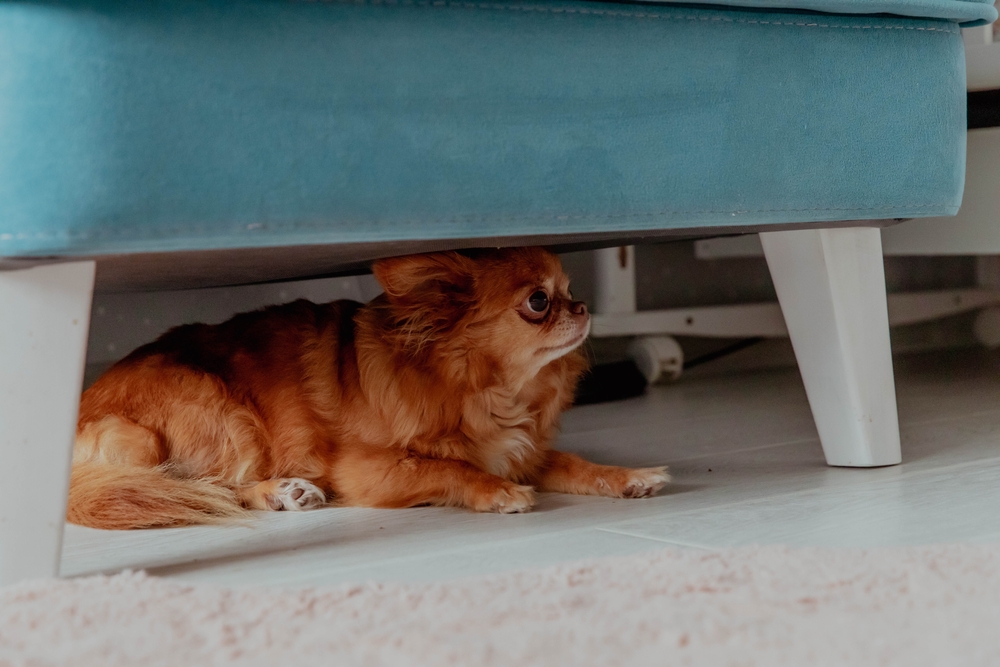
Why Is My Dog Suddenly Afraid of Strangers? Decoding Fear & Building Trust
Here's a hard truth: that 'protective' barking at strangers? It might not be bravery. Often, it's pure, unadulterated fear. Dogs aren't born distrustful; something happened. Understanding that fear is the first step to helping your dog live a happier, less anxious life.
For Busy Owners: Dogs fear strangers due to lack of socialization, past trauma, genetics, or negative experiences. Gradual socialization, positive reinforcement, and managing interactions are critical. If fear leads to aggression, seek professional veterinary behaviorist guidance immediately.
Why is My Dog Suddenly Afraid of Strangers? Unpacking the Fear
A sudden onset of fear towards strangers can be perplexing. Several factors can contribute, and honestly, it's rarely just one thing. We need to play detective, looking at the dog's history, breed, and recent experiences to understand what's going on. Is it truly *sudden* or has it been a slow burn that's now reached a tipping point?
1. The Critical Socialization Window: Could Lack of Socialization Be the Reason My Dog is Scared of Strangers?
The most common culprit is inadequate socialization during puppyhood (between 3-16 weeks). This is a critical period when puppies' brains are primed to accept new experiences. Lack of exposure during this window can lead to lifelong fear. Think of it like this: their brains didn't build the 'this is safe' neural pathways.
The Clinical Perspective: During this critical window, puppies are highly sensitive to environmental input. Lack of diverse experiences can lead to an overactive amygdala (the brain's fear center) and a blunted prefrontal cortex (responsible for emotional regulation). This means they are biologically predisposed to overreact to novel stimuli like strangers.
Home-Care Hack: If you have a puppy, *safely* expose them to a variety of people, sights, sounds, and smells. Puppy classes are gold. For adult dogs, create controlled, positive interactions at a distance. Think 'parallel walks' where they see people but aren't forced into direct contact.
Red Flag Checklist: If your dog displays extreme fear (panting, trembling, hiding, urination) or aggression (growling, snapping, biting) during these interactions, stop immediately and consult a veterinary behaviorist. You're dealing with more than just shyness.
2. Unseen Scars: Could a History of Abuse or Trauma Cause My Dog's Fear of Strangers?
We don't always know a rescue dog's past. Abuse or neglect can leave deep emotional scars, creating a lasting association between humans and fear. Even seemingly minor negative experiences can have a significant impact, especially if they occurred during that sensitive puppyhood period.
The Clinical Perspective: Traumatic experiences can lead to changes in the hypothalamic-pituitary-adrenal (HPA) axis, the body's stress response system. This can result in chronic anxiety and hypervigilance, making the dog constantly on edge and reactive to perceived threats.
Home-Care Hack: Create a safe and predictable environment. Use positive reinforcement training to build trust and confidence. Never punish fear-based behaviors; this will only make things worse. Consider a Thundershirt or calming pheromone diffusers (like Adaptil) to reduce overall anxiety.
Red Flag Checklist: Be aware of signs of Post-Traumatic Stress Disorder (PTSD) in dogs: flashbacks (sudden, intense fear reactions), avoidance behaviors, and exaggerated startle responses. These dogs need professional help.
3. The Blueprint of Fear: Is My Dog's Fear of Strangers Genetic or Breed-Related?
Genetics play a role. Some breeds are naturally more aloof or wary of strangers. Herding breeds, for example, are often bred to be protective of their flock, which can translate into suspicion of unfamiliar people. It's not a character flaw; it's in their DNA.
The Clinical Perspective: Temperament is heritable. Studies show that certain genes influence neurotransmitter levels (like serotonin and dopamine), which affect anxiety and sociability. While you can't change genetics, you *can* manage the environment to minimize fear responses.
Home-Care Hack: Understand your breed's predispositions. If you have a naturally cautious breed, manage expectations. Don't force them to be social butterflies. Focus on building a strong bond with you and providing a safe haven.
Red Flag Checklist: If your dog's fear is accompanied by other behavioral issues (separation anxiety, resource guarding), it's crucial to address the underlying anxiety holistically. A veterinary behaviorist can help create a comprehensive treatment plan.
4. The Unintentional Offense: Could Overly Enthusiastic Strangers Be Contributing to My Dog's Fear?
Sometimes, well-meaning strangers make things worse. Rushing up to a dog, making direct eye contact, or reaching for a hug can be overwhelming and frightening, especially for a dog who's already anxious. Remember, dogs don't always appreciate human displays of affection from strangers.
The Clinical Perspective: A dog's personal space is just as important as a human's. When that space is invaded without permission, it triggers a stress response. Repeated negative experiences with overly enthusiastic strangers can create a learned association between strangers and fear.
Home-Care Hack: Advocate for your dog. Politely but firmly ask strangers to approach slowly and calmly, avoid direct eye contact, and let the dog initiate contact. Teach your dog a 'safe word' or signal that means 'I need space'.
Red Flag Checklist: If your dog has ever snapped or bitten at a stranger, even if it seemed minor, it's a serious warning sign. You need to manage interactions carefully and work with a professional to prevent future incidents.
How Can I Help My Dog Warm Up to Strangers? Training Tips
Okay, so you know *why* your dog is scared. Now what? The key is patience, consistency, and positive reinforcement. It's a marathon, not a sprint. And honestly, sometimes, acceptance is the goal, not a complete cure.
1. Gradual Exposure: How Can I Socialize My Dog to Overcome Their Fear of Strangers?
Start slow and controlled. Expose your dog to strangers from a distance where they feel safe. Reward calm behavior with treats and praise. Gradually decrease the distance as your dog becomes more comfortable. Think of it as building a bridge, one plank at a time.
Home-Care Hack: Use a 'look at that' game. When a stranger appears, say 'look at that' and immediately give your dog a treat. This creates a positive association with the sight of strangers.
2. Controlled Interactions: How Do I Manage Interactions to Prevent My Dog From Reacting to Strangers?
Manage every interaction. Keep your dog on a leash in public. Avoid crowded places. Enlist the help of calm, dog-savvy friends who can follow your instructions. Teach your dog a 'leave it' command to redirect their attention away from strangers.
Home-Care Hack: Create a 'safe zone' for your dog – a crate or bed where they can retreat when they feel overwhelmed. Never force them to interact with strangers in their safe zone.
3. Positive Reinforcement: How Can I Use Positive Reinforcement to Reduce My Dog's Fear of Strangers?
Reward calm, confident behavior. Use high-value treats that your dog loves. Avoid punishing fear-based behaviors; this will only increase their anxiety. Focus on building a positive association between strangers and good things.
Home-Care Hack: Use a clicker to mark desired behaviors (calmness, eye contact, approaching a stranger). This helps your dog understand exactly what they're being rewarded for.
Conclusion
Living with a fearful dog can be challenging, but it's also an opportunity to build a deeper bond based on trust and understanding. Remember, it's not about 'fixing' your dog; it's about helping them feel safe and secure in a world that can sometimes be scary. And honestly? That's what being a good dog owner is all about.