

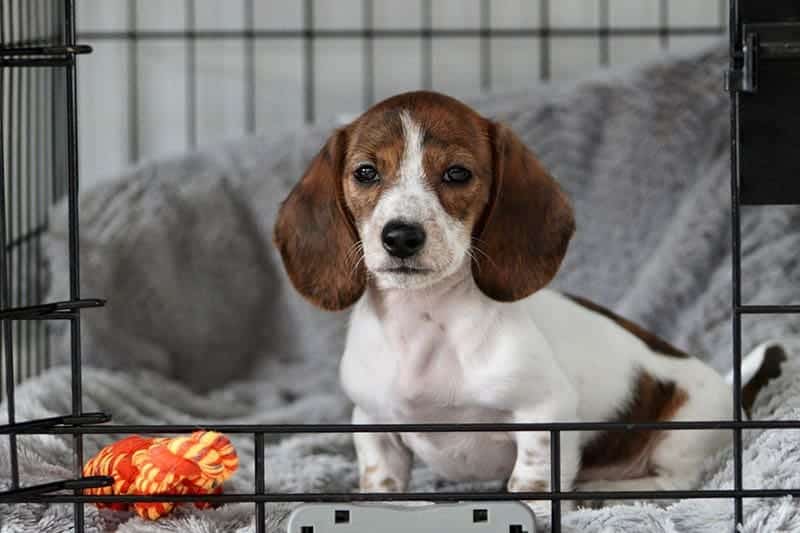
Why Does My Puppy Hate the Crate? Expert Crate Training Fixes
Here's a tough truth I tell folks in the exam room all the time: puppies aren't born hating crates. It's almost always a learned behavior, often stemming from early, negative experiences. Think of it like a child associating the doctor's office with shots – the association sticks. But the good news? You can rewrite that narrative.
Busy Owner Summary: Crate training can be tough, especially if your puppy hates it. The key is patience and positive reinforcement. Introduce the crate slowly, create positive associations with treats and toys, and never use it as punishment. With consistency, your puppy can learn to love their crate.
Why is My Puppy Suddenly Hating the Crate? Understanding the Root Cause
A puppy's sudden aversion to the crate often stems from negative experiences, such as being left alone for too long, associating the crate with punishment, or experiencing discomfort. Addressing these underlying issues is mission-critical for successful crate training. It's like detective work; you need to understand the 'why' before you can fix the 'how'.
Okay, so let's get into the biological 'why' here. A puppy's brain is still developing, and their amygdala (the emotional center) is highly sensitive. A negative experience in the crate can trigger a strong fear response, flooding their system with cortisol (the stress hormone). This creates a lasting negative association, making them see the crate as a threat. This can manifest as increased heart rate, rapid breathing, and even changes in gut motility (hence, stress-induced diarrhea). Honestly, it's a cascade of physiological responses.
The Clinical Perspective (Biological ‘Why’)
From a clinical standpoint, we need to consider the puppy's stress response. Chronic stress not only affects their behavior but also their immune system. Prolonged cortisol elevation can suppress immune function, making them more susceptible to infections. It’s a vicious cycle: crate anxiety leads to stress, which weakens the immune system, potentially leading to illness. In the exam room, I often see puppies with crate aversion also showing signs of gastrointestinal upset or skin issues, all linked to chronic stress.
Home-Care Hacks (Low-Cost, Practical Tips)
- Scent Soothers: Use a calming pheromone diffuser near the crate. These mimic the scent of a mother dog, providing a sense of security.
- Crate Games: Turn crate time into playtime. Toss treats or toys into the crate for them to retrieve, making it a fun and rewarding experience.
- Comfort Zone: Line the crate with soft bedding and familiar toys. A comfortable crate is a more inviting crate.
The Red Flag Checklist (When to Panic vs. When to Wait)
- Panting and Drooling: Excessive panting and drooling inside the crate are red flags, indicating severe anxiety. Seek immediate veterinary attention.
- Vocalization: Occasional whining is normal, but persistent barking or howling suggests distress. Re-evaluate your training approach.
- Self-Harm: If your puppy is injuring themselves trying to escape the crate, stop immediately and consult a veterinary behaviorist.
How to Help a Puppy with Crate Training Issues: A Step-by-Step Guide
Crate training a puppy with pre-existing negative associations requires a patient, step-by-step approach. Start by reintroducing the crate as a positive space, using treats, toys, and praise to create positive associations. Gradually increase the time spent in the crate, always ensuring your puppy feels safe and secure. Remember, consistency is mission-critical.
Now, let's talk about the science behind this. Positive reinforcement works by releasing dopamine in the brain, creating a pleasurable association with the crate. Every time your puppy gets a treat or praise for entering the crate, their brain learns that the crate equals good things. This process strengthens the neural pathways associated with positive experiences, gradually overwriting the negative associations. I always tell my clients, it's like retraining the brain, one treat at a time.
1. Reintroduce the Crate Slowly and Positively
If your pup already associates the crate with bad experiences, take it back to square one. Make the crate a neutral, non-threatening space. Leave the door open, toss treats inside, and let them explore at their own pace. No pressure, no expectations. The goal is to make them feel safe and in control.
2. Create Positive Associations with High-Value Rewards
Food is your friend here. Use high-value treats (think small pieces of cooked chicken or cheese) to lure your puppy into the crate. Feed them their meals inside the crate, making it a dining destination. You can even give them a special chew toy that they only get when they're in the crate. This helps create a strong, positive association.
3. Use Scent to Your Advantage: Familiar Smells are Key
Dogs rely heavily on their sense of smell. Place a blanket or t-shirt that smells like you inside the crate. Your scent will provide comfort and security, helping to reduce anxiety. You can also use calming pheromone sprays or diffusers to create a more relaxing environment. It's like giving them a hug with your scent.
4. Address Underlying Issues: Discovering the Root of the Problem
Why does your puppy hate the crate? Is it too small? Too hot? Too isolated? Is there a loud noise nearby that scares them? Identifying and addressing the underlying issue is mission-critical. Maybe the crate needs to be moved to a quieter location, or maybe it needs to be made more comfortable with softer bedding.
5. Gradual Door Closing: Baby Steps are Essential
Once your puppy is comfortable going into the crate, start closing the door for brief periods. Start with just a few seconds, then gradually increase the time. Always monitor their body language for signs of stress. If they start to whine or pant, you've progressed too quickly. Back up a step and go slower.
6. Praise and Rewards: Positive Reinforcement is King
Whenever your puppy enters the crate or stays in it calmly, shower them with praise and treats. Positive reinforcement is a powerful tool for shaping behavior. It helps them learn that being in the crate equals good things. Make it a party every time they go in!
7. Professional Help: When to Seek Expert Guidance
If you've tried everything and your puppy is still struggling with crate training, don't hesitate to seek professional help. A certified dog trainer or veterinary behaviorist can provide personalized guidance and help you develop a training plan that meets your puppy's specific needs. Sometimes, you just need a fresh perspective.
What if My Puppy Hates the Crate at Night? Nighttime Crate Training Tips
Nighttime crate training can be particularly challenging, as puppies often experience separation anxiety at night. Make the crate a comfortable and inviting space, and establish a consistent bedtime routine to help your puppy feel secure. If your puppy is still struggling, consider placing the crate in your bedroom so they can feel close to you.
The science here is all about reducing cortisol levels. A consistent bedtime routine, such as a walk, a potty break, and a calming massage, can help lower stress hormones and promote relaxation. Having the crate in your bedroom provides a sense of security, as your puppy can smell and hear you, reducing separation anxiety. It's like having a security blanket for your pup.
Final Thoughts
Crate training a puppy who hates their crate is a marathon, not a sprint. It requires patience, consistency, and a whole lot of love. But with the right approach, you can help your puppy overcome their fears and learn to love their crate. And honestly, a well-adjusted, crate-trained dog is a happier, healthier dog. Trust me, it's worth the effort.