

Dog Crate Masterclass: Choosing the Perfect Size (and Avoiding Common Mistakes)
Here's a truth bomb I drop in the exam room all the time: a crate isn't just a box. It's a carefully chosen space that should mimic a den. It's supposed to tap into your dog's ancient instincts. Too big, and it feels insecure. Too small, and you're basically inducing claustrophobia. The right size is non-negotiable for safety and sanity.
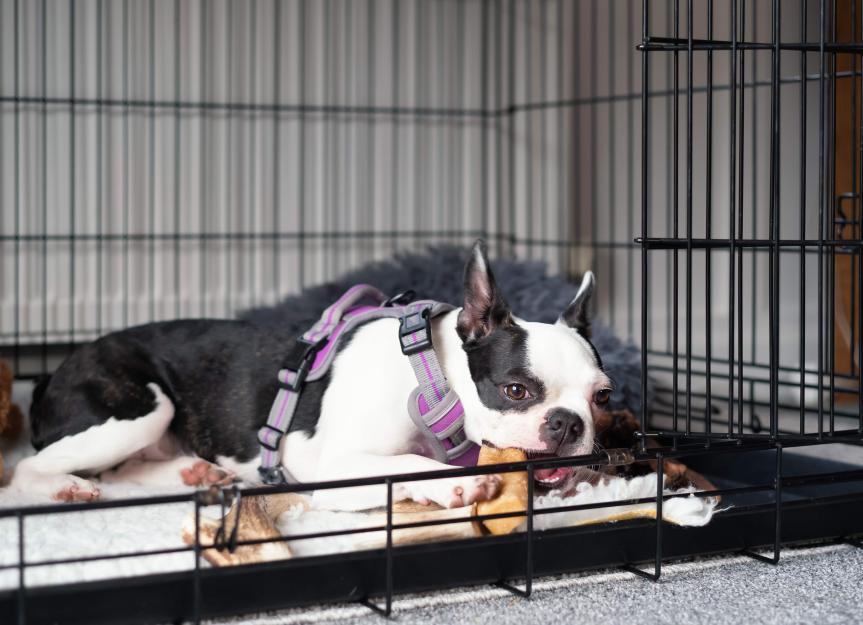
For Busy Owners: The correct crate size allows your dog to stand, turn around, and lie down comfortably with fully extended limbs. Measure your dog's height and length, adding a few inches for wiggle room. When in doubt, size up, but use crate dividers for puppies to prevent accidents.
Why Does Dog Crate Size Actually Matter? The Clinical Perspective
The right dog crate size is mission-critical for their physical and emotional well-being. A correctly sized crate becomes a safe haven. It taps into their natural denning instincts. If it’s too small, imagine the chronic stress: elevated cortisol levels constantly suppressing their immune function. Too large, and that den becomes a bathroom, which undoes house-training efforts. It's all about that Goldilocks zone.
Think of it this way: chronic stress from an improperly sized crate can lead to a cascade of physiological issues. Elevated cortisol, for instance, isn't just a 'stress hormone'. It directly impacts the gut microbiome, potentially leading to dysbiosis and chronic borborygmi (that's vet-speak for tummy rumbles). Moreover, prolonged stress interferes with the hypothalamic-pituitary-adrenal (HPA) axis. This can cause behavioral changes like increased anxiety or aggression. I see it all the time. A correctly sized crate mitigates these issues, promoting a sense of security. This then leads to better sleep and improved overall health.
How To Accurately Measure Your Dog for the Right Crate Size
Weight and breed are unreliable guesses. You need hard numbers. Crate size should be based on your dog’s actual dimensions. This ensures comfort and prevents negative associations with the crate. Grab a soft measuring tape (the kind tailors use) and get ready to record some key stats. Don't eyeball it. Actually do it.
Here's what to measure: First, measure your dog from the tip of their nose to the base of their tail while they're standing. Next, measure their height from the top of their head to the floor. If your dog's ears naturally stand erect, measure to the tip of their ears instead. Add two to four inches to both measurements. This provides enough room for them to stand up, turn around, and lie down comfortably. Remember to account for bedding thickness. A plush dog bed can easily add a few inches to the overall height requirement.
Long-Term Comfort: How to Choose a Crate for Your Dog's Size
Your dog should be able to stand up straight without hunching, turn around without bumping into the sides, and lie down with their limbs fully extended. If they can't do all three, the crate is too small. Don't be stingy with space. Think of it as buying real estate: location, location, location… and square footage!
I tell my clients to do a 'mock crate test' at home. Mark out the crate dimensions on the floor with tape. Then, encourage your dog to stand, sit, turn around, and lie down within the taped area. This gives you a real-world sense of whether the crate size is adequate. Pay close attention to their body language. Are they hesitant to enter the space? Do they seem cramped or uncomfortable when moving around? These are critical clues. If your dog is a senior or has arthritis, ensure the crate is easily accessible and doesn't require them to navigate any obstacles.
Puppy Crate Training: How to Pick the Right Puppy Crate Size
Puppies grow faster than weeds. Choosing a crate that accommodates their adult size seems logical. But a crate that’s too large can hinder house-training efforts. The trick? Adjustable dividers. These allow you to modify the crate's interior as your puppy grows. It's like having a shape-shifting den.
Here’s the deal: puppies don’t want to eliminate where they sleep. That's why a too-big crate becomes a toilet. Dividers shrink the space. They reinforce that natural aversion. As your puppy grows, gradually move the divider back. This expands their living area. When selecting a puppy crate, prioritize easy-to-clean materials. Accidents happen. Coated steel wire crates are excellent. They're durable and allow for good ventilation. Avoid crates with small parts or flimsy construction. Teething puppies are notorious for chewing everything in sight, and you don’t want them ingesting crate fragments.
Home-Care Hacks: Making the Crate a Cozy Sanctuary
A crate isn't a cage. It's a bedroom. Make it inviting. Soft bedding is non-negotiable. Think plush blankets or a supportive dog bed. Add a few familiar toys. These provide comfort and mental stimulation. A water bowl and food bowl are optional, but I generally advise against them. Spills happen, creating a soggy mess.
Consider using a crate cover. Some dogs prefer a darker, more enclosed space. It mimics the feeling of a natural den. However, ensure adequate ventilation. Don't completely seal off the crate. Regularly clean the crate to prevent odors and bacteria buildup. Use a pet-safe cleaner. I recommend enzymatic cleaners. These break down organic matter. This eliminates odors more effectively than standard household cleaners. Rotate toys regularly. This keeps things interesting. It prevents boredom. A bored dog is a destructive dog.
The Red Flag Checklist: When is Crate Size a Medical Emergency?
If your dog is panting excessively, drooling, or showing signs of heat stress inside the crate, get them out immediately. This is especially true in warm weather. Similarly, if your dog is injuring themselves trying to escape the crate, it's time for a re-evaluation. The crate may be too small, or they may be experiencing separation anxiety.
Here's what to watch for: Persistent limping or stiffness after being in the crate. This could indicate the crate is too small. It's exacerbating underlying joint issues. Changes in appetite or water consumption. This may signal stress or discomfort. Excessive vocalization or destructiveness when crated. These are signs of distress. Take them seriously. If you notice any of these red flags, consult with your veterinarian. They can help you determine the underlying cause. They can also recommend solutions. These range from crate modifications to behavior modification techniques.
Airline-Approved Crates: How to Travel Safely with Your Dog
Flying with your dog adds another layer of complexity. Airlines have strict crate size requirements. These ensure the safety and comfort of animals during transit. An airline-approved crate must allow your dog to stand, turn around, and lie down in a natural position. It must also have adequate ventilation and secure latches.
Before booking a flight, check with the airline for their specific crate size regulations. These can vary. Measure your dog carefully. Then, compare those measurements to the airline's guidelines. Choose a crate that meets their requirements. Acclimate your dog to the travel crate well in advance of your trip. Make it a positive experience. Use treats and praise. Line the crate with familiar bedding. This reduces stress during travel. On the day of the flight, ensure your dog has access to water. Avoid feeding them a large meal right before departure. This can minimize the risk of motion sickness. Clearly label the crate with your contact information and your dog's name. This helps airline staff identify your pet and contact you in case of any issues.