

My Dog is Lost! A Vet's Guide to Finding & Preventing Lost Dogs
Here's a truth bomb most owners don't realize: your dog's breed dramatically impacts how far they'll roam. A scent hound like a beagle might follow its nose for miles, driven by an insatiable dopamine release in its olfactory bulb, while a toy poodle is statistically likely to stay close. Understanding this is the first step.
For Busy Owners: If your dog is lost, immediately search the area, post on social media, and contact local shelters. Prevention is mission-critical: ensure your dog is microchipped and trained. Don't lose hope; swift action dramatically increases the chances of a happy reunion.
What to Do Immediately After You Realize Your Dog is Lost?
The first few hours are non-negotiable. Time is absolutely of the essence when your dog goes missing. Begin by thoroughly searching the immediate vicinity where you last saw them. This direct answer is mission-critical: check under bushes, in sheds, and any other hiding spots. Dogs, especially if scared, will seek refuge in the unlikeliest of places.
The Clinical Perspective: The biological reason for this hiding behavior? It's rooted in the canine stress response. When faced with fear or disorientation, a surge of cortisol floods their system, triggering a 'fight or flight' response. Often, flight manifests as seeking enclosed, secure spaces, mimicking denning behavior from their ancestral past.
- Scent Soakers: Place familiar items like their bedding or a favorite toy outside. The scent acts as a beacon.
- Tech Advantage: Set up a motion-activated camera near food and water.
- The Power of Voice: Walk the neighborhood, calling your dog's name in a calm, reassuring tone.
How to Leverage Social Media to Find a Lost Dog Near Me?
Social media is your digital search party. Post immediately with a clear photo, description, and location where your dog was last seen. Ask friends and local groups to share widely. Honestly, the power of a viral post is astonishing.
The Clinical Perspective: The reason social media works? It's all about network effects. Each share exponentially increases the reach, tapping into a vast network of eyes and ears actively looking for your pet. Consider it distributed cognition – leveraging the collective brainpower of your community.
- Local Groups: Join neighborhood-specific lost pet groups. These are treasure troves of hyper-local information.
- Visual Appeal: Use a recent, clear photo showcasing your dog's unique features.
- Reward Incentive: Offering a reward (if feasible) can further motivate people to actively search.
Why Are Lost Dog Posters Still Important in the Age of Social Media?
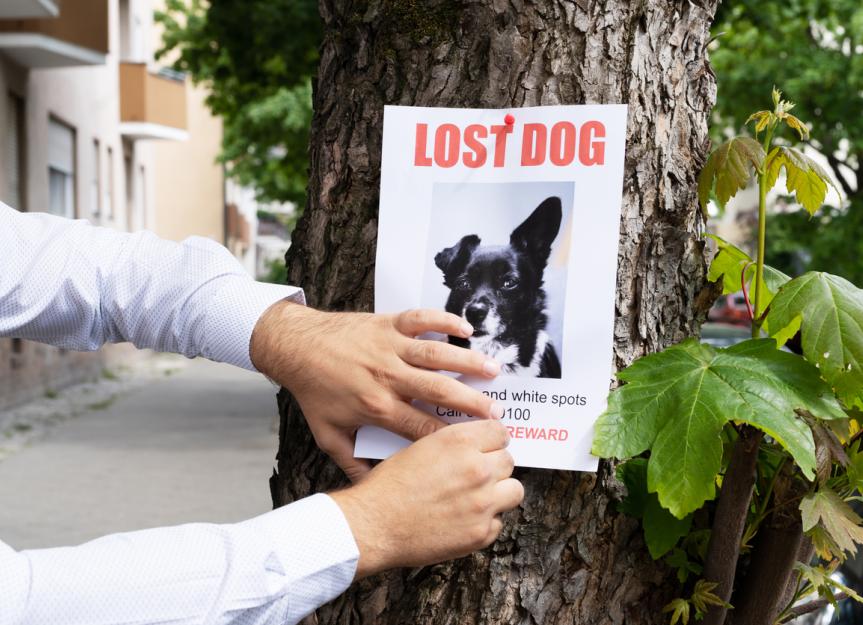
Despite our digital dependence, physical posters remain surprisingly effective. They target individuals who may not be active on social media or who frequent specific areas your dog might be in. Don't underestimate the power of old-school methods.
The Clinical Perspective: The effectiveness of posters taps into a different cognitive pathway. Unlike the fleeting nature of social media feeds, a physical poster provides a constant, visual reminder. This repeated exposure increases the likelihood of recognition and recall, especially for those who frequent the area.
- Strategic Placement: Focus on high-traffic areas like intersections, parks, and community centers.
- Eye-Catching Design: Use bright colors, large fonts, and a clear, recent photo.
- Weather Protection: Laminate your posters to withstand the elements.
Should I Call Shelters and Rescue Organizations Daily When Trying to Find My Lost Dog?
Yes, call local shelters and rescue organizations daily. These are the first places someone will likely bring a found dog. Provide a detailed description and follow up regularly. Persistence is key.
The Clinical Perspective: Shelters and rescues act as central hubs for lost and found animals. Regular communication ensures your dog's information remains top-of-mind for the staff. This proactive approach significantly increases the chances of a match should your dog be brought in.
- Multiple Shelters: Contact all shelters within a reasonable radius, not just the closest one.
- Detailed Description: Provide specifics like breed, size, color, markings, and any unique features.
- Photo Submission: Send a recent photo for easy identification.
Is Hiring a Dog Tracker a Waste of Money When Trying to Find a Lost Dog?
Hiring a professional dog tracker can be a worthwhile investment, but do your homework. These experts use scent tracking to locate your dog, even days after they've gone missing. Their success rates can be impressive, but it's mission-critical to vet their credentials.
The Clinical Perspective: Dog trackers utilize the canine olfactory system's extraordinary sensitivity. Dogs possess up to 300 million olfactory receptors, compared to a human's mere 6 million. Trackers leverage this biological advantage to follow scent trails, even in challenging environments.
- Reputation Check: Read reviews, check references, and verify their experience.
- Scent Article: Provide a scent article (e.g., bedding, toy) that hasn't been washed recently.
- Realistic Expectations: Understand that tracking isn't foolproof and success depends on various factors.
How to Prevent My Dog From Getting Lost Again?
Prevention is always superior to cure. Microchipping, collar ID tags, and training are non-negotiable. These steps dramatically reduce the risk of future disappearances. Honestly, it's about responsible pet ownership.
The Clinical Perspective: Microchips provide permanent identification linked to your contact information. Even if a collar is lost, the microchip remains a constant identifier. This technology bypasses the limitations of physical tags, offering a reliable backup.
- Microchip Registration: Ensure your microchip is registered and your contact information is up-to-date.
- Collar ID Tags: Include your phone number and address on the tag.
- Leash Training: Train your dog to walk politely on a leash and always use one in unfenced areas.
- Recall Training: Teach a reliable recall command so your dog returns when called, even in distracting environments.
- Secure Fencing: Regularly inspect your fence for gaps or weaknesses.
The Red Flag Checklist: When to Panic vs. When to Wait
- Immediate Panic: If your dog is injured, elderly, or has specific medical needs (e.g., diabetes requiring insulin), immediate action is mission-critical.
- Wait and Observe: If your dog is generally healthy and familiar with the area, give them a few hours to see if they return on their own.
- Escalation: If 24 hours pass without any sightings, escalate your search efforts and consider hiring a dog tracker.
Home-Care Hacks: Low-Cost, Practical Tips
- DIY Flyers: Create your own flyers using free online templates.
- Neighborhood Network: Enlist the help of neighbors to search specific areas.
- Scent Beacon: Place a used article of your clothing outside to attract your dog with your scent.