

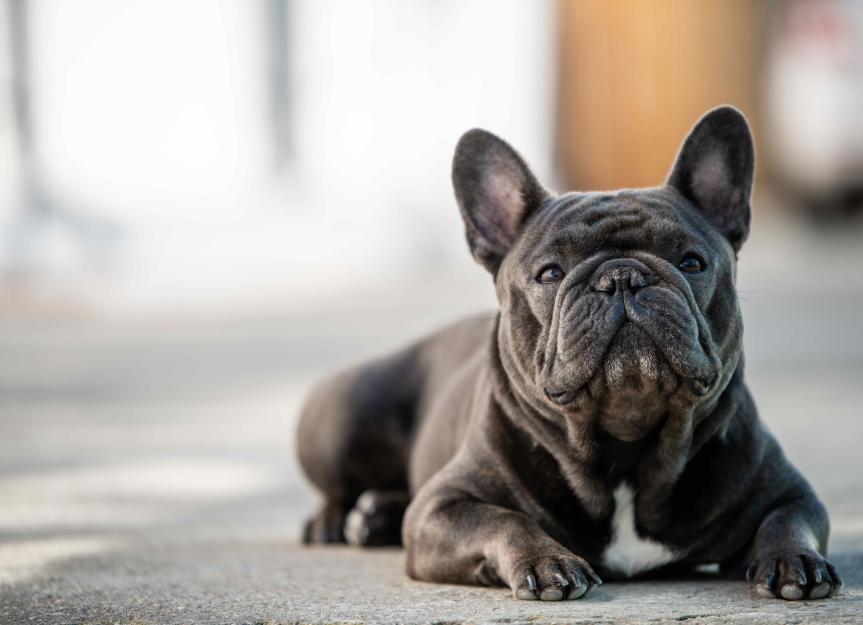
Is a French Bulldog Right for You? 23 Health Problems to Know
Here's a cold dose of reality from the exam room: that adorable French Bulldog puppy might be a ticking time bomb of health problems. It's not all cuddles and Instagram photos, honestly. One study showed French Bulldogs are statistically more likely to develop over 20 common health disorders. So, before you fall for those bat ears and smushed faces, let's talk about what you're *really* signing up for.
For Busy Owners: French Bulldogs are prone to numerous health problems, often requiring expensive, lifelong veterinary care. These issues range from breathing difficulties (BOAS) to skin allergies and spinal problems. Owning a Frenchie means being prepared for significant financial and emotional investments in their health.
Why is My French Bulldog Always Snorting? Understanding BOAS and Breathing Problems
If your Frenchie sounds like a tiny, adorable Darth Vader, it's likely due to Brachycephalic Obstructive Airway Syndrome (BOAS). BOAS isn't just a cosmetic issue; it's a serious anatomical problem. These dogs have been selectively bred for a "short head," which leads to narrowed nostrils, an elongated soft palate, and a small trachea (windpipe). The biological consequence? Reduced airflow, increased respiratory effort, and chronic oxygen deprivation. It's like trying to breathe through a straw – all the time.
The Clinical Perspective (Biological 'Why')
Here's the vet-speak: BOAS leads to increased negative pressure in the upper airways during inhalation. This negative pressure can cause the soft palate to be sucked into the larynx, further obstructing airflow. Over time, this chronic obstruction can lead to laryngeal collapse (the voice box essentially crumples) and right-sided heart failure (pulmonary hypertension). We often see elevated levels of endothelin-1, a potent vasoconstrictor, in dogs with BOAS, contributing to pulmonary hypertension.
Home-Care Hacks (Low-cost, Practical Tips)
- Weight Management: Obesity exacerbates BOAS. Keep your Frenchie lean.
- Harness Over Collar: A collar can put pressure on the trachea.
- Avoid Strenuous Exercise: Especially in hot, humid weather.
- Elevated Food and Water Bowls: This can help reduce regurgitation, which is common in brachycephalic breeds.
The Red Flag Checklist (When to Panic vs. When to Wait)
- Blue Tongue or Gums (Cyanosis): Immediate veterinary attention needed. This indicates severe oxygen deprivation.
- Excessive Panting or Noisy Breathing at Rest: Indicates significant respiratory distress. See your vet ASAP.
- Fainting or Collapse: Emergency situation. Get to a vet immediately.
Why is My French Bulldog So Sensitive? Understanding Skin and Allergy Issues
Frenchies are notorious for skin problems. Blame genetics and those adorable skin folds. The folds create warm, moist environments perfect for bacterial and yeast infections. But it's not just about hygiene. French Bulldogs are genetically predisposed to allergies, both food and environmental. Unlike humans, allergies in dogs often manifest as skin issues. Vet-speak: pruritus (itching), erythema (redness), and secondary bacterial pyoderma (skin infection) are common presentations.
The Clinical Perspective (Biological 'Why')
Atopy, or allergic dermatitis, in French Bulldogs involves a complex interplay of genetics and environmental factors. The skin barrier is often compromised, leading to increased transepidermal water loss and easier penetration of allergens. These allergens trigger an immune response involving mast cell degranulation, histamine release, and increased production of inflammatory cytokines like IL-31, which is a major itch mediator. Food allergies, on the other hand, involve an abnormal immune response to specific food proteins, leading to gastrointestinal inflammation and secondary skin manifestations.
Home-Care Hacks (Low-cost, Practical Tips)
- Regular Cleaning of Skin Folds: Use a mild, hypoallergenic cleanser.
- Hypoallergenic Diet Trial: Work with your vet to identify potential food allergens.
- Omega-3 Fatty Acid Supplementation: Can help improve skin barrier function.
- Frequent Bathing with Medicated Shampoo: To control secondary skin infections.
The Red Flag Checklist (When to Panic vs. When to Wait)
- Sudden Onset of Facial Swelling (Angioedema): Allergic reaction. Seek immediate veterinary care.
- Severe, Uncontrollable Itching: Can lead to self-trauma and secondary infections. See your vet.
- Deep Skin Infections (Cellulitis): Requires aggressive antibiotic therapy.
Why Does My French Bulldog Limp? Understanding Back and Joint Problems
French Bulldogs are prone to several orthopedic issues, including hip dysplasia, luxating patella (slipping kneecap), and intervertebral disc disease (IVDD). These conditions can cause pain, lameness, and reduced quality of life. IVDD is particularly concerning in Frenchies due to their chondrodystrophic build (short legs, long back). This body type predisposes them to premature degeneration of the intervertebral discs.
The Clinical Perspective (Biological 'Why')
Hip dysplasia involves abnormal development of the hip joint, leading to instability and eventual osteoarthritis. Luxating patella occurs when the patella (kneecap) dislocates from its normal position in the trochlear groove. IVDD involves herniation of the intervertebral disc material into the spinal canal, compressing the spinal cord. This compression can disrupt nerve function, leading to pain, weakness, and paralysis. The biological mechanisms involve inflammation, cartilage degradation (mediated by matrix metalloproteinases), and nerve damage.
Home-Care Hacks (Low-cost, Practical Tips)
- Maintain a Healthy Weight: Excess weight puts extra stress on joints and the spine.
- Provide Soft Bedding: To cushion joints.
- Avoid Jumping: Use ramps or stairs to help your Frenchie get on and off furniture.
- Gentle Exercise: Regular, low-impact exercise can help maintain muscle mass and joint mobility.
The Red Flag Checklist (When to Panic vs. When to Wait)
- Sudden Paralysis: Emergency situation. Indicates severe spinal cord compression.
- Severe Pain: Unresponsive to pain medication. See your vet immediately.
- Loss of Bladder or Bowel Control: Indicates significant nerve damage.
The Rest of the List: Other Common French Bulldog Health Issues
Honestly, the list goes on. Here's a quick rundown of other common problems:
- Birthing Issues: Most Frenchies require C-sections due to their large heads and narrow hips.
- Anesthesia Risks: Breathing issues make anesthesia riskier.
- Eye Problems: Cataracts, corneal dystrophy, cherry eye, etc.
- Gastrointestinal Issues: Diarrhea, hiatal hernia, pyloric stenosis.
- Bladder Stones: Especially cystine stones in males.
- Pulmonic Stenosis: A congenital heart defect.
- Dental Disease: Overcrowded teeth lead to rapid tartar buildup.
What I Tell My Clients: Tips for Responsible French Bulldog Ownership
If, after all this, you're still set on a French Bulldog, here's my advice:
- Budget for Medical Care: Pet insurance is practically a must.
- Find a Reputable Breeder: Avoid breeders who prioritize "rare" colors over health.
- Be Proactive with Preventative Care: Regular vet visits are mission-critical.
- Be Realistic: Owning a Frenchie is a commitment., understand that.