

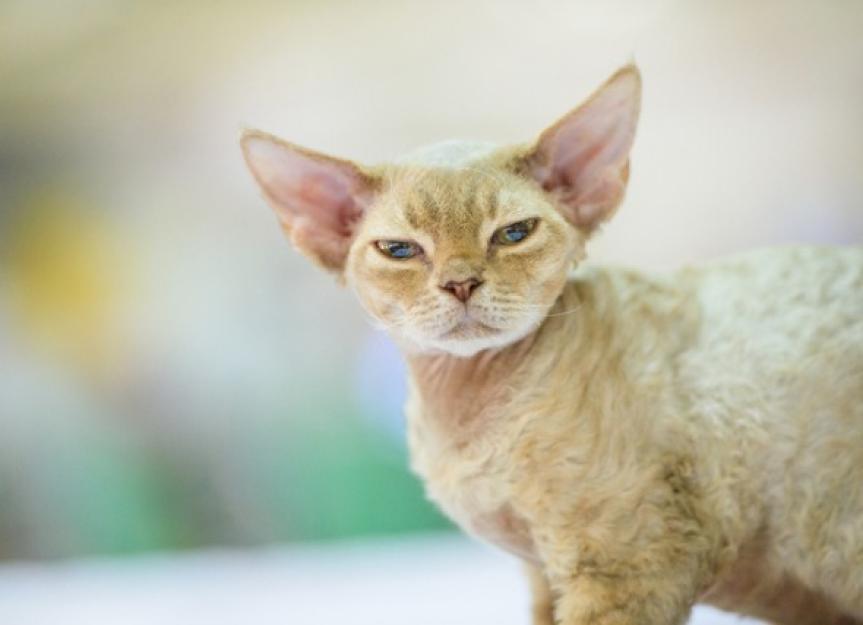
Thinking of Getting a Rex Cat? Vet Advice on Health, Care, and Temperament
Here's a weird fact I tell clients in the exam room all the time: cat hair doesn't actually cause allergies nearly as often as cat dander does. So, those considering a Rex cat for its unique coat need to consider the whole picture, not just the curls.
For Busy Owners: Rex cats have curly or wavy fur due to genetic mutations and come in Devon, Cornish, and Selkirk varieties. These cats are intelligent and active, needing mental stimulation and exercise. Rex cats can be prone to specific health issues, making responsible breeding and proper care crucial.
Why is the Rex Cat Breed So Unique?
Rex cats stand out due to genetic mutations affecting keratin production in their hair follicles, resulting in curly or wavy coats. These mutations alter the structure of the hair shaft itself. This impacts the way the fur grows and feels. The three main types recognized are Devon Rex, Cornish Rex, and Selkirk Rex, each with distinct origins and characteristics.
What are the Different Types of Rex Cats?
The Cat Fanciers' Association recognizes three Rex breeds: Devon Rex, Cornish Rex, and Selkirk Rex. Devon and Cornish Rex cats originated in England in the 1950s. Selkirk Rex cats trace back to a curly-coated kitten born in Montana in 1987.
The Clinical Perspective: Think of it like this: each breed’s mutation affects the hair follicle in a slightly different way. The Devon Rex has a looser curl and can sometimes have sparse patches. This is due to incomplete penetrance of the gene. Cornish Rex cats have a tighter, more marcel-waved coat because their mutation affects the hair’s cortex. Selkirk Rex cats have the densest and most variable coat. Their dominant gene causes a robust, often woolly, curl that can be long or short. It’s like comparing different types of permanent waves – each gives a unique result.
What is the Rex Cat Breed Personality Like? Are Rex Cats High-Energy?
Rex cats are known for their intelligence and active nature. They require a lot of mental stimulation and physical activity to stay happy. These cats are often described as talkative and enjoy interacting with their owners.
The Clinical Perspective: Rex cats’ high energy is linked to their heightened curiosity and problem-solving abilities. This is likely driven by increased dopamine signaling in their brains. They need more environmental enrichment to prevent boredom and destructive behaviors. Think puzzle feeders, interactive toys, and plenty of vertical space. A bored Rex cat is a mischievous Rex cat – trust me, I see it in the exam room all the time.
What Kind of Coat Care Do Rex Cats Need? How to Prevent Skin Issues?
Despite their unique coats, Rex cats can be prone to skin issues due to abnormal hair follicles. These follicles can lead to breakage and increased oil production. Regular bathing with a mild cat shampoo and gentle grooming are important.
The Clinical Perspective: The abnormal hair follicles in Rex cats predispose them to seborrhea, or oily skin. This is because the altered structure disrupts normal sebum production and distribution. This excess oil can trap dirt and yeast, leading to secondary infections like Malassezia dermatitis. I advise my clients to use a shampoo containing ketoconazole or miconazole to combat yeast overgrowth. Also, be gentle! Vigorous rubbing can damage the fragile hair shafts. Think of it like washing a delicate wool sweater – you need a gentle touch.
Home-Care Hacks:
- DIY Ear Cleaning Solution: Mix equal parts white vinegar and warm water for a gentle ear cleaning solution.
- Oatmeal Bath for Itchy Skin: Grind plain oatmeal into a fine powder and add it to your cat’s bathwater to soothe irritated skin.
- Coconut Oil Conditioner: Apply a small amount of coconut oil to your Rex cat’s coat after bathing to moisturize and reduce frizz.
What are the Potential Rex Cat Health Issues? Is HCM Common?
Rex cats are prone to certain genetic health problems. These include hypertrophic cardiomyopathy (HCM), coagulopathy, muscle weakness, and dental issues. Responsible breeders screen for these conditions to minimize the risk.
The Clinical Perspective: HCM, a thickening of the heart muscle, is a significant concern. It can lead to heart failure and sudden death. The exact genetic mechanisms are complex, but involve mutations in genes encoding cardiac sarcomere proteins. Coagulopathies, like pyruvate kinase deficiency, affect red blood cell metabolism and clotting ability. This is due to enzyme deficiencies. Dental issues arise from abnormal enamel formation and weakened jawbones. All of this stems from the same genetic quirks that give them those adorable curls.
The Red Flag Checklist:
- Difficulty Breathing or Rapid Panting: Could indicate HCM or other heart problems.
- Lethargy or Weakness: May signal a coagulopathy or muscle weakness.
- Excessive Scratching or Hair Loss: Could point to skin infections or allergies.
- Changes in Appetite or Weight Loss: Could indicate underlying health issues.
How to Find a Reputable Rex Cat Breeder? Why are Health Screenings Important?
Finding a responsible breeder is mission-critical when considering a Rex cat. A good breeder will be transparent about the health history of their cats. They will also conduct genetic screenings to minimize the risk of inherited diseases. They should also be knowledgeable about the breed’s specific needs.
The Clinical Perspective: Reputable breeders are not just selling kittens; they are stewards of the breed. They understand the importance of genetic diversity and avoid inbreeding. Inbreeding leads to a higher incidence of autosomal recessive disorders. They track pedigrees meticulously and perform echocardiograms to screen for HCM. They also perform DNA tests for known mutations. Honestly, a breeder who isn’t doing this is not worth your time or money. You’re not just buying a pet; you’re investing in its future health and well-being.