

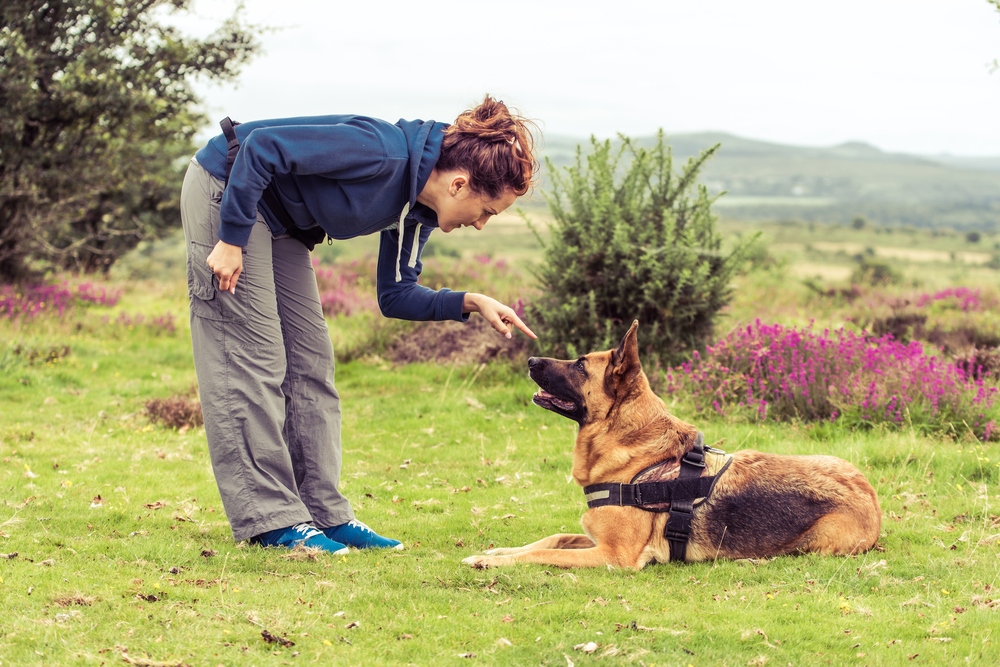
Teach Your Dog "No": A Vet's Guide to Firm, Fair Training
Here's a truth bomb I drop in the exam room all the time: your dog doesn't actually understand English. They understand *patterns*. Teaching 'no' isn't about the word; it's about creating a consistent association. Many owners think yelling louder works. It doesn't. It just stresses your dog out.
For Busy Owners: Teaching a dog "no" involves associating the word with unwanted behavior. Use treats and praise to reward compliance. Consistency and patience are mission-critical for success in any training environment.
Why Can't My Dog Understand "No" Immediately?
Dogs don't innately understand abstract concepts like 'no.' It's not in their DNA. They learn through association. This is important to understand. When you say "no" without a clear association, it's just noise to them. Think of it like this: you can't expect them to understand calculus without first learning basic arithmetic. The biological basis is that dogs primarily process information through olfactory and auditory cues linked to immediate consequences. Their brains aren't wired for complex linguistic processing like ours.
Before You Begin: Setting the Stage for "No"
All you need to successfully teach your dog the word and concept of “no” is a leash and a bag of treats. Easier said than done, right? You’re going to need patience and maybe a little luck, depending on your dog’s personality. Headstrong breeds like Siberian Huskies will probably give you a harder time than a mellow Labrador Retriever, but every dog is different. Understanding dog body language is also mission-critical. Your body language should be relaxed but authoritative, and your dog should be calm and receptive to training. If your dog is stressed or hyperactive, your efforts will be less successful, and you could scare your dog with the wrong approach.
The Clinical Perspective: A stressed dog releases cortisol, which inhibits learning. I see this all the time. Owners try to train when the dog is already overstimulated. It's a recipe for disaster. Wait until your dog is in a calm, submissive state. This maximizes the effectiveness of positive reinforcement.
The 4 Steps for Telling a Dog “No” (Vet-Approved)
1. How to Start Teaching “No” with Treats
The goal here is to capture your dog’s attention with the most delicious treat you have on hand—whatever they go bananas for will work. Hold the treat carefully out of your dog’s range and calmly ignore their efforts to snag it from you. Close your hand over the treat and firmly say, “No.” It may take multiple attempts to get your dog’s attention, depending on how determined they are. For an easier time handling big dogs, we suggest using a leash during these sessions. Expect to do this frequently. When your dog finally gives up and looks to you for direction, give them a release command like “okay” or another word of your choice. Then you can celebrate! Give your dog the treat and give your good boy/girl a ton of well-deserved praise. An alternative exercise you can try to teach the same concept of “no” is if your dog likes to bark at animals or tug on their leash. Wait for your dog to spy a squirrel and go nuts barking, then stand as stock-still as a statue. Like before, say, “No!” in a firm voice. Do not continue on your walk until your dog stops barking and behaves calmly. Again, this can take numerous tries before your dog makes the initial connection.
The Clinical Perspective: The key is breaking the stimulus-response chain. The dog sees a squirrel (stimulus), and the immediate response is barking. By saying 'no' and withholding the walk (negative punishment), you're interrupting that automatic response. This leverages the amygdala's role in fear and emotional learning.
2. Reinforcing Success with Praise and Treats: The Science of Reward
Treats and showering your dog with praise when they ignore your closed hand after “no” will help them make the mental association with good behavior getting a reward. This is fundamentally how all positive reinforcement training works and carries over to all aspects of your dog’s training: housebreaking, advanced commands, and so on. As with all training, it’s now time to up the ante a little.
The Clinical Perspective: Positive reinforcement works by increasing dopamine levels in the brain. Dopamine is a neurotransmitter associated with pleasure and reward. When a dog performs a desired behavior and receives a treat or praise, the release of dopamine reinforces that behavior. This is basic operant conditioning.
3. Taking it to the Ground: Teaching “No” with Temptation
Leash your dog up for the same old exercise, but this time, change it up by putting the treat on the ground while holding your dog just out of range. Ignore their efforts to tug on the leash and say, “No,” which your dog should understand from your prior training. If they strain to get the treat, stand passively and repeat your command. When they sit calmly and look at you, relax on the leash and use your release command.
Home-Care Hack: Use a high-value treat that your dog rarely gets. This creates a stronger incentive to resist temptation. Think cooked chicken or a small piece of cheese. The higher the value, the more effective the training.
4. Generalizing the “No” Command: Training in Different Settings
Now you just need to solidify your training in your dog’s mind with repetition. Eventually, they should understand your commands so well that you can give them some trust off the leash. This command helps your dog stay safe when, for example, they see a dead bird and instinctively try to retrieve it. The same thing applies to dirty puddles your dog tries to drink out of or any number of unsafe items. To generalize the behavior to all types of situations, you can try this training at the dog park, in your yard, or on your daily walks. Dogs sometimes have trouble translating or generalizing commands to different circumstances, but with patience and your help, it’ll eventually click.
The Red Flag Checklist: If your dog shows aggression when you say 'no,' stop immediately and consult a professional trainer or veterinary behaviorist. This could indicate underlying anxiety or fear issues that need to be addressed. Don't push it.
Conclusion: The Power of “No” in Dog Training
Teaching a puppy or older dog the concept of “no” can be tricky, especially if they are stubborn. Thankfully, with enough patience and treats, you can teach any dog this basic command. “No” and “leave it” are useful in many different situations to keep your dog safe but also to teach delayed gratification as a foundation for future training.