

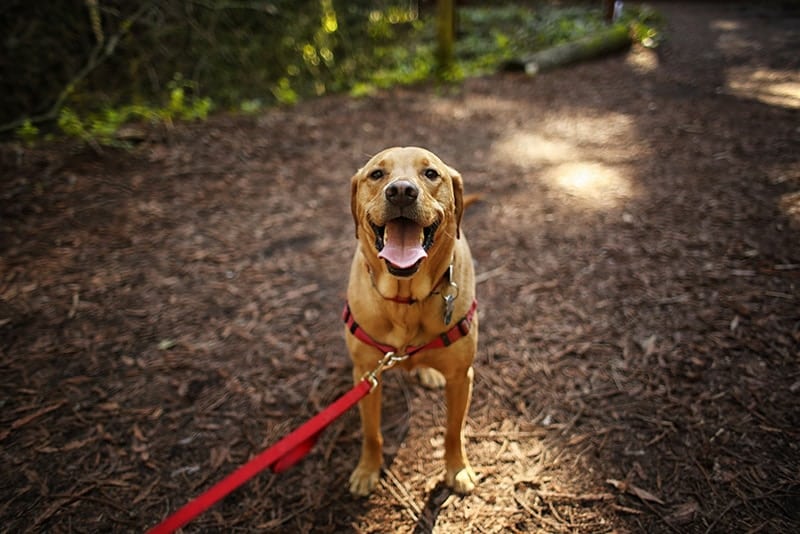
Stop the Tug-of-War: Expert Secrets to Effortless Dog Leash Training
Here's a cold splash of water for you: that 'cute' pulling habit your dog has on the leash? It's not just annoying; it's a sign of anxiety. Dogs pull because they're stressed, either by excitement or fear. It’s not dominance; it’s dysregulation. Understanding this biological basis is the first step to fixing it. Honestly, I see owners reinforcing this all the time in the exam room.
For busy owners, here's the deal: effective leash training boils down to consistency and understanding your dog's triggers. Start in a quiet place, use high-value treats, and immediately stop when they pull. Patience is mission-critical; it won't happen overnight, but it *will* happen.
Why is My Dog Still Pulling on the Leash? Understanding the Root Cause of Leash Reactivity
Your dog is pulling because, plain and simple, it works for them. They want to get somewhere faster, sniff something interesting, or greet another dog. Pulling gets them there. This behavior is reinforced every single time they successfully drag you toward their desired object. The biological mechanism here is dopamine release; each successful pull floods their brain with a reward, making them want to do it again.
It's not about being 'dominant' or 'stubborn'. Often, it's about a lack of impulse control, which can be linked to lower serotonin levels in the brain. Think of it like this: a toddler grabbing for a cookie versus waiting patiently. It's the same neurological principle at play.
The Clinical Perspective (Biological 'Why')
From a veterinary standpoint, it's mission-critical to rule out any underlying medical conditions that might be contributing to your dog's leash reactivity. Pain, for example, can make a dog more anxious and reactive. Arthritis, hip dysplasia, or even something as simple as a foxtail stuck in their paw can cause them to pull or lunge unexpectedly. This is especially true in older dogs, where joint pain can be a constant source of discomfort.
In these cases, addressing the pain with appropriate medication and therapies can significantly improve their leash manners. I always tell my clients, it's hard to focus on training when you're in pain!
Home-Care Hacks (Low-Cost, Practical Tips)
One of the most effective and low-cost strategies is to simply change direction when your dog starts to pull. The moment you feel tension on the leash, turn and walk the other way. This teaches your dog that pulling gets them nowhere. They quickly learn that paying attention to you and keeping the leash loose is the only way to move forward.
Another hack is to use a front-clip harness. These harnesses attach the leash to the chest, which gives you more control and discourages pulling. When your dog pulls, the harness gently turns them back toward you, making it physically difficult for them to continue pulling.
The Red Flag Checklist (When to Panic vs. When to Wait)
When should you be seriously concerned about your dog's leash pulling? If the pulling is sudden and accompanied by other behavioral changes, such as aggression, fearfulness, or excessive barking, it's time to consult with a veterinarian or certified dog behaviorist. These changes could indicate an underlying medical or neurological issue that needs to be addressed.
Also, if your dog's pulling is so severe that it's causing you physical pain or making it difficult to control them, seek professional help. You don't want to risk injury to yourself or your dog.
How to Choose the Right Leash and Harness for Loose Leash Walking?
The equipment you use for leash training can either set you up for success or doom you to failure. The wrong leash can actually reinforce pulling. A retractable leash, for example, gives your dog the freedom to wander and pull, which is exactly what you're trying to avoid. These leashes maintain constant tension, teaching the dog that pulling is normal.
The right equipment, on the other hand, can make training much easier. A standard 6-foot leash is ideal for most dogs. It gives you enough control without being too restrictive. As mentioned before, a front-clip harness can be a game-changer for dogs that pull.
The Clinical Perspective (Biological 'Why')
From a biomechanical perspective, the type of collar or harness you use can significantly impact your dog's posture and gait. A traditional collar can put pressure on the trachea and neck muscles, leading to discomfort and even injury. This is especially true for dogs that pull hard on the leash.
A harness, on the other hand, distributes the pressure more evenly across the chest and shoulders, reducing the risk of injury. This is particularly mission-critical for brachycephalic breeds (like Bulldogs and Pugs), who are already prone to respiratory problems.
Home-Care Hacks (Low-Cost, Practical Tips)
Don't break the bank on fancy equipment. A simple, well-fitting harness and a standard leash are all you need to get started. The most mission-critical thing is to ensure that the harness fits properly and doesn't rub or chafe your dog's skin.
Before you even start leash training, let your dog wear the harness around the house for a few minutes each day to get them used to it. This will help them associate the harness with positive experiences, like treats and praise.
The Red Flag Checklist (When to Panic vs. When to Wait)
If you notice any signs of skin irritation or discomfort from the harness, such as redness, hair loss, or excessive scratching, stop using it immediately. Try a different style or material. Also, be aware that some dogs are masters at escaping from harnesses. If your dog is a Houdini, you may need to try a different type of harness or consult with a professional trainer.
Why is My Dog Suddenly More Reactive on Leash? Identifying New Triggers
Sometimes, even after successful leash training, your dog may suddenly become more reactive. This can be frustrating, but it's important to remember that behavior is dynamic and can change over time. New triggers can emerge, or old triggers can become more intense. For instance, a new dog moving into the neighborhood can trigger increased reactivity in your dog.
Also, changes in your dog's health or environment can contribute to increased reactivity. Pain, anxiety, or even changes in routine can all make your dog more sensitive to triggers.
The Clinical Perspective (Biological 'Why')
From a neurobiological perspective, reactivity is often linked to an overactive amygdala, the part of the brain responsible for processing emotions like fear and anxiety. When a dog encounters a trigger, the amygdala kicks into high gear, triggering a cascade of stress hormones like cortisol and adrenaline.
This 'fight or flight' response can make it difficult for the dog to think clearly and control their behavior. Chronic stress can also lead to changes in the brain that make the dog more reactive over time. It's a vicious cycle: stress begets more stress.
Home-Care Hacks (Low-Cost, Practical Tips)
One of the most effective strategies for managing reactivity is to identify your dog's triggers and avoid them whenever possible. If your dog is reactive to other dogs, for example, walk them in areas where there are fewer dogs. If they're reactive to cars, walk them on quieter streets.
Another hack is to use counter-conditioning and desensitization techniques. This involves gradually exposing your dog to their triggers in a controlled environment and rewarding them for staying calm. For example, if your dog is reactive to other dogs, you could start by showing them pictures of dogs and rewarding them for staying relaxed. Gradually, you could progress to walking them near other dogs at a distance where they remain calm.
The Red Flag Checklist (When to Panic vs. When to Wait)
If your dog's reactivity is severe and poses a risk to themselves or others, seek professional help immediately. A certified dog behaviorist can help you develop a customized training plan to manage your dog's reactivity. Also, if you notice any sudden changes in your dog's behavior, consult with your veterinarian to rule out any underlying medical conditions.