

Frustrated by Leash-Pulling? Vet-Approved Loose-Leash Dog Walking Masterclass
Here's a counter-intuitive fact from the exam room: sometimes, the fanciest leash or harness isn't the answer. I've seen owners spend hundreds on gear when the real solution was understanding their dog's motivation to pull. It's not always dominance; it's often excitement, anxiety, or simply, a lack of clear communication.
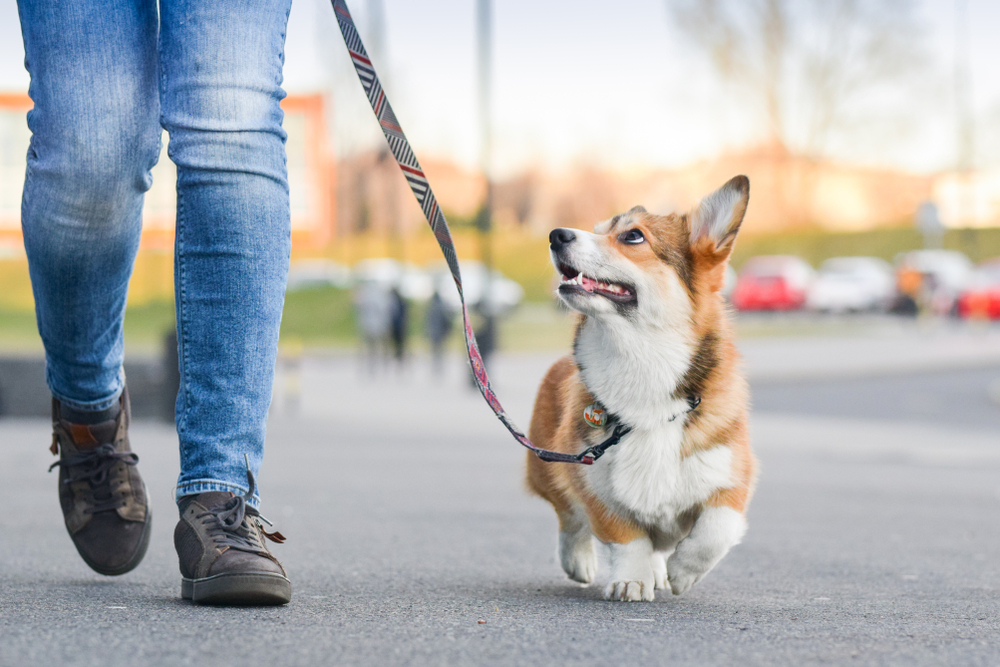
For the busy owner, here's the deal: Loose-leash walking means your dog strolls calmly by your side without constant pulling. It improves communication and makes walks safer and more enjoyable. With patience and the right approach, you can transform stressful walks into bonding experiences.
Why is My Dog Suddenly Pulling on the Leash? Understanding the Root Cause of Leash Aggression
Sudden leash-pulling can stem from several factors. It could be pent-up energy, anxiety triggered by environmental stimuli, or even a change in their physical health. Understanding the root cause is mission-critical for effective loose-leash training.
From a clinical perspective, consider the biological underpinnings. Is your dog getting enough exercise to deplete glycogen stores? Is there a new stressor in their environment causing increased cortisol release? Are they experiencing age-related cognitive decline, leading to increased anxiety and reactivity? These factors can all contribute to leash-pulling behavior.
The Clinical Perspective (Biological 'Why')
When a dog pulls, it's not just a behavioral issue; it's a physiological response. Think about it: pulling engages the sympathetic nervous system – the "fight or flight" response. Heart rate increases, adrenaline surges, and the dog becomes hyper-focused on the stimulus ahead. Chronically elevated cortisol levels, due to consistent stress on walks, can actually alter brain structure, making the behavior harder to correct. That's why early intervention is so important.
Home-Care Hacks (Low-Cost, Practical Tips)
- The "Red Light, Green Light" Game: When your dog starts to pull, immediately stop walking. Stand still and wait for them to release the tension on the leash. Once they do, praise them and continue walking. This teaches them that pulling gets them nowhere.
- Change of Direction Drills: Keep your dog guessing by frequently changing direction during your walks. This forces them to pay attention to you and reduces their ability to anticipate and pull.
- Sniff Breaks: Allow your dog to have regular sniff breaks. Sniffing is mentally enriching and can help calm an anxious dog. Plus, a tired dog is less likely to pull.
The Red Flag Checklist (When to Panic vs. When to Wait)
- Sudden Onset of Aggression: If your dog suddenly becomes aggressive towards other dogs or people while on the leash, consult with a veterinarian or certified behaviorist immediately. This could indicate an underlying medical condition or a serious behavioral issue.
- Inability to Focus: If your dog is so reactive that they cannot focus on you at all during walks, even with high-value treats, seek professional help. This could be a sign of severe anxiety or a sensory processing issue.
- Physical Injury: If your dog is injuring themselves by pulling on the leash (e.g., neck strain, tracheal collapse), switch to a harness and consult with a veterinarian about pain management and alternative training methods.
What's the Best Dog Walking Equipment for Leash Training?
Choosing the right equipment is non-negotiable for successful loose-leash walking. A well-fitting harness or collar and a sturdy, non-retractable leash are essential. Retractable leashes promote pulling, while the right harness can redistribute pressure, making training more effective and comfortable for your dog.
Harnesses are crucial. Unlike collars that can put pressure on the trachea and cervical vertebrae, potentially leading to or exacerbating conditions like collapsing trachea, harnesses distribute force across the chest. Front-clip harnesses redirect a dog's momentum when they pull. Training collars, like Martingales, offer gentle feedback, but require experienced handling to avoid injury. Long lines allow for off-leash practice while maintaining control.
How to Start Leash Training a Puppy: Indoors vs. Outdoors?
Begin leash training in a controlled, indoor environment. This minimizes distractions and allows your puppy to focus on learning basic leash manners. Once they're comfortable indoors, gradually introduce them to the outdoors, starting with quiet, familiar areas.
Think of it this way: indoor training is like teaching a child to read in a quiet library before sending them to a bustling playground. Inside, you can control the variables – no squirrels to chase, no loud noises to startle them. This allows the puppy to associate the leash with positive experiences, like treats and praise, without the overwhelming sensory input of the outside world. Focus on short, frequent sessions to avoid overwhelming your puppy.
How Can I Reinforce Positive Behavior During Leash Walking?
Positive reinforcement is the bedrock of effective dog training. Reward your dog with treats, praise, or toys when they walk politely on a loose leash. Ignore or redirect pulling behavior. Consistency is key to shaping desired behaviors.
Positive reinforcement works by tapping into the reward pathways in the brain. When your dog performs a desired behavior and receives a reward, dopamine is released, creating a positive association with that behavior. This makes them more likely to repeat the behavior in the future. However, the timing of the reward is also mission-critical. You need to deliver the reward within a few seconds of the desired behavior to create a strong association.
How Long Does Leash Training Take? Is There Such a Thing as Overnight Success?
The timeline for loose-leash walking training varies depending on your dog's age, temperament, and consistency of practice. Some dogs may grasp the concept quickly, while others require more time and patience. Expect progress within a few weeks of consistent training, but remember that it's an ongoing process.
Honestly, there's no such thing as overnight success. It's like expecting to run a marathon after a week of training. Consistency is key. Regular, short training sessions are more effective than infrequent, long ones. And remember, setbacks are normal. Don't get discouraged if your dog has a bad day. Just reset and keep practicing.
Conclusion
Loose-leash walking isn't just about preventing your arm from being pulled off; it's about building a stronger bond with your dog and making walks enjoyable for both of you. It takes time, patience, and the right approach, but the rewards are immeasurable. So, grab that leash, take a deep breath, and start building those good habits – one step at a time.