

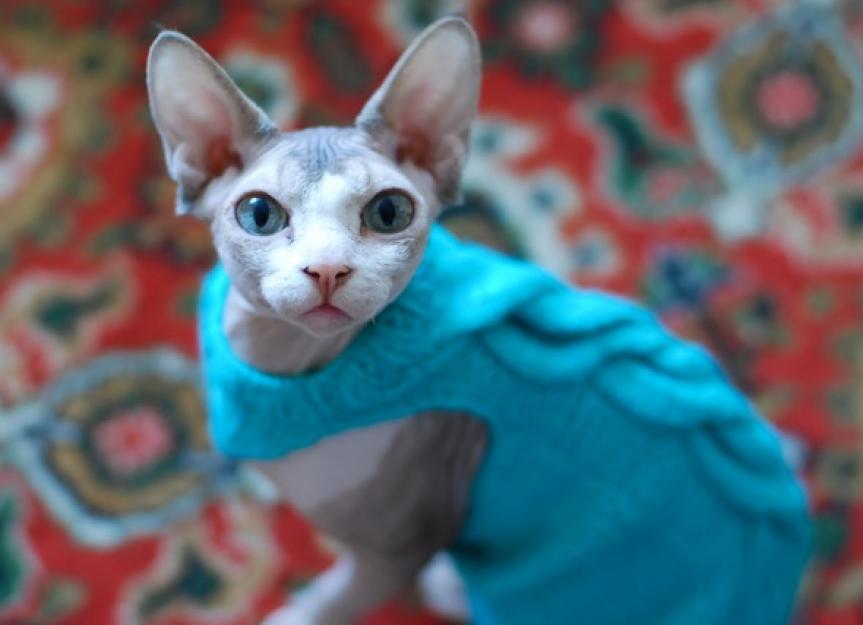
Sphynx Cat Warmth Guide: Clothes, Care, and Avoiding the Shivers
Here's a counter-intuitive fact for you: Sphynx cats, despite lacking fur, can actually overheat more easily than furry breeds. Why? Because they can't regulate their body temperature as efficiently through piloerection (raising of fur) like other cats. They are just as challenging (if not more so) to keep at a comfortable temperature.
For Busy Owners: Sphynx cats need extra warmth due to their lack of fur. Clothes, blankets, and heated beds are essential for keeping them cozy. Regular bathing is a must to manage oily skin and prevent infections.
Why is my Sphynx Cat Always Cold? Understanding Hairless Cat Needs
Sphynx cats lack the insulation provided by fur, making them highly susceptible to cold temperatures. Without fur, they lose heat much faster. This means that if you're feeling a slight chill, your Sphynx is likely feeling significantly colder. Their metabolic rate may also increase in an attempt to stay warm, burning more calories and requiring more food. This is why maintaining a consistent and warm environment is mission-critical for these unique felines.
The Clinical Perspective (Biological 'Why')
From a biological standpoint, a cat's fur coat isn't just about warmth; it's a complex system for thermoregulation. Fur traps air, creating an insulating layer that slows down heat loss. Sphynx cats lack this crucial layer. Their skin, directly exposed to the environment, loses heat rapidly through conduction and convection. Furthermore, the lack of fur exposes their skin to UV radiation, increasing the risk of sunburn and skin damage. This is why appropriate clothing and environmental control are so important.
How to Keep a Sphynx Cat Warm in Winter: The Wardrobe Solution
Clothing is a non-negotiable tool for keeping Sphynx cats warm, especially during colder months. Sweaters, hoodies, and even t-shirts can provide a much-needed layer of insulation. Look for soft, breathable fabrics like fleece or cotton to avoid irritating their sensitive skin. A well-dressed Sphynx isn't just a fashion statement; it's a necessity for their well-being.
The Clinical Perspective (Biological 'Why')
Clothing acts as an artificial fur coat, creating a barrier against heat loss. Soft fabrics minimize friction and prevent skin irritation, which is particularly important for Sphynx cats, as their skin is more prone to dryness and inflammation. However, it's mission-critical to choose the right fit. Clothes that are too tight can restrict movement and circulation, while clothes that are too loose may not provide adequate warmth. Furthermore, dirty clothes can trap bacteria and oil against the skin, leading to folliculitis (inflammation of hair follicles) and other skin infections.
Home-Care Hacks (Low-cost, practical tips)
What I tell my own clients is to start with simple, inexpensive options. Old baby clothes or socks with holes cut out can work in a pinch. Just make sure there are no loose threads that could be ingested. And honestly, keep an eye on your cat to make sure they aren't trying to eat the clothing. Also, consider layering. A thin cotton shirt under a fleece sweater can provide extra warmth without restricting movement.
What is the Best Bedding for Hairless Cats? Blankets and Heated Options
Providing warm bedding is essential, especially if your Sphynx refuses to wear clothes. Heated beds, self-warming blankets, and cozy cat caves can offer a comfortable refuge from the cold. Make sure the bedding is soft and easy to clean, as Sphynx cats tend to get their bedding dirty quickly due to their oily skin. Place these beds in draft-free areas to maximize their effectiveness.
The Clinical Perspective (Biological 'Why')
Heated beds provide a direct source of warmth, raising the cat's body temperature and reducing the need for them to expend energy to stay warm. Self-warming blankets use the cat's own body heat to create a cozy environment. However, it's mission-critical to monitor the temperature of heated beds to prevent burns, especially in cats with sensitive skin. The ideal temperature should be warm but not hot to the touch. Always supervise your cat when they are using a heated bed for the first time to ensure they are comfortable and not overheating.
Home-Care Hacks (Low-cost, practical tips)
A simple trick is to microwave a sock filled with rice for a minute or two (until warm, not hot!) and place it under their blanket. This creates a safe, temporary heat source. Just make sure the sock is securely tied to prevent the rice from spilling. Also, position their bed near a sunny window during the day. The sun's radiant heat can provide a natural and free source of warmth.
Why Does My Sphynx Cat Need Frequent Baths? The Skin Care Reality
Sphynx cats require frequent bathing to remove excess oil and prevent skin problems. Unlike furry cats, they lack fur to absorb sebum, leading to oily skin and potential infections. Regular baths with a gentle, moisturizing shampoo can help maintain healthy skin. Don't over-bathe, as this can dry out their skin and make the problem worse. Aim for once a week or as needed.
The Clinical Perspective (Biological 'Why\)
Sebum is an oily substance secreted by sebaceous glands in the skin. In furry cats, fur absorbs and distributes sebum, keeping the skin moisturized and protected. In Sphynx cats, sebum accumulates on the skin surface, creating a breeding ground for bacteria and yeast. This can lead to seborrheic dermatitis, a common skin condition in hairless breeds. Furthermore, the lack of fur exposes their skin to allergens and irritants, increasing the risk of allergic reactions and pruritus (itching). Regular bathing removes excess sebum, allergens, and irritants, helping to prevent these skin problems.
Home-Care Hacks (Low-cost, practical tips)
Between baths, use baby wipes (fragrance-free and alcohol-free) to spot-clean oily areas, such as around the ears and paws. You can also use a soft cloth dampened with warm water to gently wipe down their skin. For stubborn oil buildup, try using a diluted vinegar solution (1 part vinegar to 10 parts water) as a final rinse after bathing. Vinegar helps to dissolve oil and restore the skin's natural pH balance.
Red Flag Checklist: When to Worry About Your Sphynx Cat's Warmth and Health
Be vigilant for signs of hypothermia, such as shivering, lethargy, and cold extremities. Skin issues like redness, inflammation, or excessive scratching warrant a vet visit. Changes in appetite or behavior can also indicate a problem. If you notice any of these signs, contact your veterinarian immediately. Early detection and treatment are mission-critical for preventing serious health complications.
The Clinical Perspective (Biological 'Why\)
Hypothermia occurs when the body loses heat faster than it can produce it, leading to a dangerously low body temperature. This can impair organ function and even be life-threatening. Skin problems can indicate underlying infections, allergies, or autoimmune diseases. Changes in appetite or behavior can be subtle signs of illness or discomfort. Honestly, as vets we rely on owners to be vigilant. Prompt veterinary attention can help diagnose and treat these problems before they become severe.
Home-Care Hacks (Low-cost, practical tips)
Take your cat's temperature rectally using a pet thermometer. A normal temperature for cats is between 100.5°F and 102.5°F (38.1°C and 39.2°C). If their temperature is below 100°F (37.8°C), they may be hypothermic and need immediate veterinary attention. Keep a log of your cat's weight, appetite, and behavior to track any changes over time. This information can be valuable for your veterinarian in diagnosing and treating any potential health problems.