

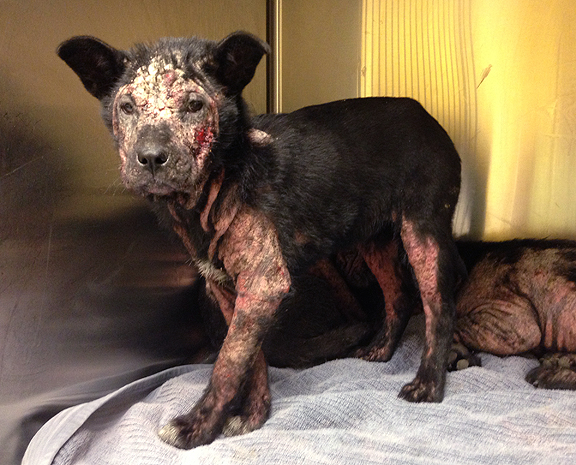
Understanding Shingles in Pets: A Vet's Perspective
Okay, let’s talk shingles. Seeing those irritated, inflamed patches on your furry friend is never easy. You're worried, and that's completely understandable. Shingles, or herpes zoster, isn't as common in pets as it is in people, but when it does occur, it's usually secondary to another underlying condition. Stress plays a huge role. So, what can you do to ease their discomfort and support their healing journey? Let's explore some options.
Natural Approaches: Comfort and Care
Now, I need to be upfront: there's no magic “cure” using only natural remedies for shingles. However, certain approaches can provide significant relief and support the body's natural healing processes. Think of these as complementary therapies – things you can do *alongside* veterinary treatment.
Soothing the Skin: Topical Applications
Inflammation is the enemy. Here are a few things you can try:
- Cool Compresses: Gentle cooling can help reduce inflammation and itchiness. Use a clean cloth soaked in cool water and apply it to the affected areas for 10-15 minutes several times a day. Don't use ice directly on the skin.
- Colloidal Oatmeal Baths: Oatmeal isn't just for breakfast! Colloidal oatmeal has anti-inflammatory and moisturizing properties. Prepare a lukewarm bath and add colloidal oatmeal according to the package directions. Let your pet soak for 10-15 minutes. Gently pat them dry afterward.
- Aloe Vera: Pure aloe vera gel can soothe irritated skin. Apply a thin layer to the affected areas. Make sure your pet doesn't lick it off excessively, as it can cause diarrhea.
Supporting the Immune System: Internal Boosters
A strong immune system is mission-critical. Consider these options, but *always* consult your vet before adding anything new to your pet's diet or supplement regimen:
- L-Lysine: This amino acid is often recommended for viral infections. It's thought to interfere with viral replication. Your vet can advise on the appropriate dosage.
- Omega-3 Fatty Acids: Found in fish oil, omega-3s have anti-inflammatory properties. They can help support overall skin health and reduce inflammation.
- Probiotics: A healthy gut contributes to a strong immune system. Probiotics can help balance the gut flora. Look for pet-specific probiotics.

The Importance of Stress Reduction
Stress is a huge trigger for shingles flare-ups. Minimizing stress is non-negotiable. Create a calm and predictable environment for your pet.
- Quiet Space: Ensure your pet has a safe and quiet place to retreat to when they feel overwhelmed.
- Consistent Routine: Stick to a regular feeding, walking, and playtime schedule.
- Pheromone Therapy: Pheromone diffusers or sprays can help create a calming atmosphere. These mimic natural calming signals.
The Expert's Corner: Real-World Advice
I remember a case in the exam room… a sweet old terrier, riddled with skin issues. Turns out, a move to a new home had triggered a shingles outbreak. We addressed the underlying anxiety with behavior modification and created a calm environment. The natural remedies helped soothe the skin, but the biggest improvement came from reducing stress.
Pro-Tip: Keep a close eye on your pet's skin. If you notice any new lesions, increased scratching, or signs of pain, contact your veterinarian immediately. Early diagnosis and treatment are crucial. Don't self-diagnose! Shingles can mimic other skin conditions.
When to See a Vet: Recognizing the Signs
Natural remedies can be supportive, but they're not a substitute for professional veterinary care. If you suspect your pet has shingles, a vet visit is essential.
- Visible Rash: Look for clusters of small, fluid-filled blisters or sores.
- Excessive Scratching or Licking: Constant irritation can indicate a problem.
- Pain or Sensitivity: Your pet may flinch or whine when you touch the affected area.
- Lethargy or Loss of Appetite: These can be signs of underlying illness.
Beyond the Basics: Other Considerations
Consider these points:
- Diet: A balanced, high-quality diet is fundamental.
- Hygiene: Keep the affected areas clean and dry to prevent secondary infections.
- Environmental Factors: Identify and minimize potential allergens or irritants in your pet's environment.
Vet's Perspective
Look, I get it. You want the best for your pet, and you want to explore all possible options. Natural remedies *can* play a role in managing shingles symptoms, but they need to be used responsibly and in conjunction with veterinary guidance. Don't hesitate to reach out to your vet for personalized advice and a comprehensive treatment plan. They will likely prescribe medication. It is important to follow your veterinarian's advice.
Disclaimer
This information is for educational purposes only and should not be considered a substitute for professional veterinary advice. Always consult with your veterinarian for diagnosis and treatment of any medical condition.