

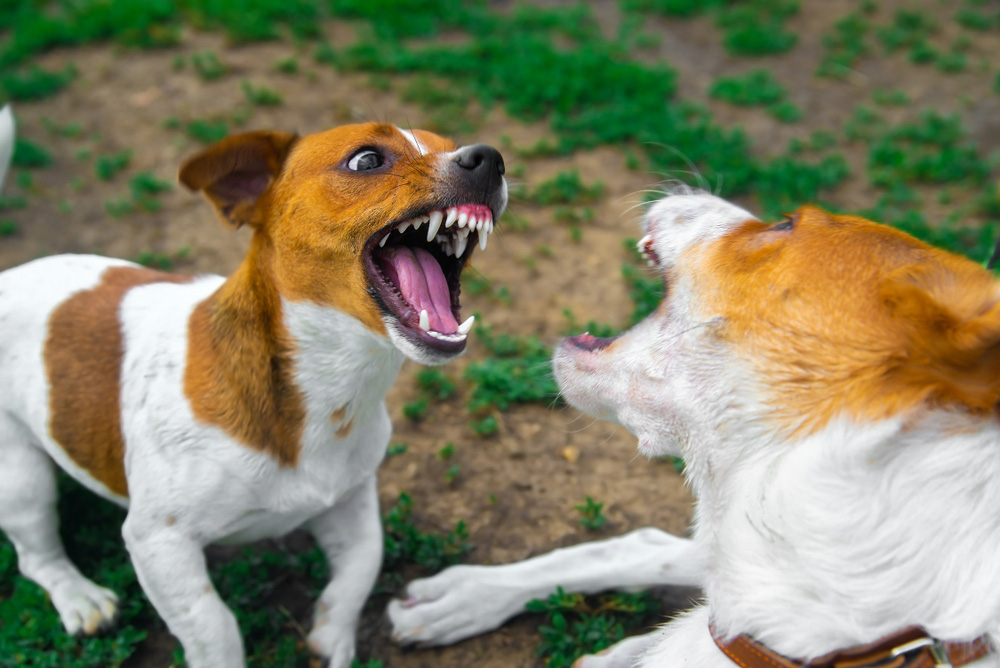
Solving Sibling Rivalry: How to Stop Dog Fights in a Multi-Dog Home
Here's a counter-intuitive fact that I tell my clients all the time: sometimes, the most loving dogs will still scrap. Even dogs from the same litter can develop aggression issues later in life. It’s not always a sign of bad ownership; it’s often about canine social dynamics.
For Busy Owners: Dog fights in the home can be scary. Identifying triggers, consulting with your vet to rule out medical issues, and using desensitization techniques are mission-critical. Sometimes, implementing a structured reward system can help re-establish a peaceful pack order.
Why is My Dog Suddenly Fighting? Understanding Canine Aggression Triggers
Dog fights in a multi-dog household are not uncommon, and understanding the triggers is the first step. Identifying these triggers is key to preventing future conflicts. Actually, it's about figuring out what's causing the underlying stress and anxiety in your dogs.
The Clinical Perspective: Triggers can range from resource guarding (a primal instinct linked to survival) to medical conditions. Pain, for example, can lower a dog's tolerance, leading to defensive aggression. Conditions impacting cognitive function, like Canine Cognitive Dysfunction (CCD), can also alter behavior. CCD, similar to Alzheimer's in humans, involves the accumulation of beta-amyloid plaques in the brain, disrupting neuronal function and potentially leading to increased irritability and aggression.
What are the Common Dog Fight Triggers I Should Watch For?
Several types of aggression can manifest in a multi-dog household. Recognizing these patterns is mission-critical for maintaining peace. Honestly, it's like being a canine diplomat, constantly mediating disputes.
- Resource Guarding: This is when a dog protects something they value, like food, toys, or even their favorite human.
- Pain/Disease-Related Aggression: Underlying medical conditions can make a dog irritable and more likely to snap.
- Redirected Aggression: If a dog is frustrated by something they can't reach (like a stranger outside the window), they may take it out on another dog in the house.
- Fear Aggression: A dog that's scared of another dog may lash out defensively.
- Prey Aggression: This is rarer but can occur if a dog with a high prey drive sees a smaller dog as prey.
- Territorial Aggression: A dog may become aggressive in their perceived territory, like your home.
- Social Conflict Aggression: Dogs may fight to establish or maintain their position in the household hierarchy.
- Sexual/Maternal Aggression: Hormonal changes can lead to aggression in intact males or females in heat, or mothers guarding their puppies.
Home-Care Hacks: Managing Aggression at Home
Here are some practical, low-cost things you can do at home to manage these triggers. These are the tips I give my clients in the exam room every day.
- Separate Feeding: Feed dogs in separate areas to prevent resource guarding over food.
- Remove Trigger Toys: If a particular toy causes fights, remove it from the environment.
- Provide Safe Spaces: Ensure each dog has their own bed or crate where they can retreat and feel safe.
- Supervise Interactions: Closely monitor dogs when they're together, especially during playtime or when resources are available.
The Red Flag Checklist: When is Dog Aggression an Emergency?
Knowing when to seek immediate veterinary attention is non-negotiable. Not all scuffles are created equal. Here's what I tell my clients to watch out for:
- Unprovoked, Severe Aggression: If a dog suddenly becomes extremely aggressive without any apparent trigger.
- Injuries: Any bite wounds that break the skin warrant a vet visit. Dog bites can become infected quickly.
- Changes in Behavior: Sudden changes in appetite, sleep patterns, or activity level, along with aggression.
- Signs of Pain: Limping, whining, or reluctance to be touched.
Why is a Vet Check Mission-Critical for Dog Fight Problems?
A thorough veterinary examination is a non-negotiable step in addressing dog aggression. This is because underlying medical conditions can significantly contribute to behavioral changes. The vet can help you determine if there is a medical reason for the fighting.
The Clinical Perspective: Pain is a big one. Arthritis, dental disease, or even a seemingly minor injury can make a dog more irritable and reactive. Neurological issues, like brain tumors or cognitive dysfunction, can also alter a dog's behavior. For example, hypothyroidism (low thyroid hormone) can sometimes manifest as increased aggression. The thyroid hormone plays a crucial role in brain function, and deficiencies can lead to neurological imbalances and behavioral changes.
What Will the Vet Do During the Exam?
The vet will start with a thorough physical exam and ask about the dogs' history. This includes questions about diet, vaccination status, and any recent changes in their environment or routine.
- Physical Examination: The vet will check for any signs of pain or discomfort, such as stiffness, limping, or sensitivity to touch.
- Neurological Assessment: The vet may perform a neurological exam to assess the dog's reflexes, coordination, and mental alertness.
- Diagnostic Tests: Blood tests, urine tests, or X-rays may be recommended to rule out underlying medical conditions.
When Should I Ask for a Referral to a Veterinary Behaviorist?
Honestly, if the aggression is severe or you're feeling overwhelmed, a veterinary behaviorist is worth their weight in gold. Behaviorists are like canine therapists. They specialize in diagnosing and treating behavioral problems in animals.
The Clinical Perspective: Veterinary behaviorists use a combination of behavior modification techniques, medication (if necessary), and environmental management to address aggression. They can help you understand the underlying causes of the aggression and develop a customized treatment plan for your dogs.
How Can Desensitization & Counterconditioning Stop Dog Fights?
Desensitization and counterconditioning are powerful tools for changing a dog's emotional response to triggers. These techniques involve gradually exposing the dog to the trigger in a controlled environment while pairing it with positive reinforcement.
The Clinical Perspective: Desensitization works by gradually reducing the dog's sensitivity to the trigger. Counterconditioning, on the other hand, changes the dog's association with the trigger from negative to positive. This is based on the principles of classical conditioning, where a neutral stimulus (the trigger) becomes associated with a positive stimulus (like a treat or praise).
How Do I Implement Desensitization and Counterconditioning?
Here's how you can implement these techniques at home. Patience is key, and it's mission-critical to go at the dog's pace.
- Identify the Trigger: Determine what specific situations or stimuli trigger the aggression.
- Start at a Distance: Begin by exposing the dogs to the trigger at a distance where they don't react aggressively.
- Pair with Positive Reinforcement: Give the dogs treats, praise, or toys when they remain calm in the presence of the trigger.
- Gradually Decrease the Distance: Slowly decrease the distance between the dogs and the trigger as they become more comfortable.
- End on a Positive Note: Always end the training session on a positive note, before the dogs become stressed or aggressive.
Why Does the "Nothing in Life is Free" Program Reduce Dog Aggression?
The "Nothing in Life is Free" (NILIF) program is a structured approach to establishing clear leadership and expectations in the household. This can reduce aggression by eliminating competition for resources and reinforcing the owner's role as the leader.
The Clinical Perspective: NILIF works by requiring dogs to earn everything they get, including food, treats, toys, and attention. This reinforces the owner's authority and teaches the dogs that they must follow commands to get what they want. This can be particularly helpful in cases of social conflict aggression, where dogs are vying for dominance.
How Do I Implement the NILIF Program?
Implementing NILIF is straightforward, but it requires consistency. All members of the household must be on board.
- Basic Commands: Teach the dogs basic commands like "sit," "stay," and "come."
- Earn Everything: Require the dogs to perform a command before giving them anything they want.
- Consistency is Key: Be consistent with the program every day.
How to Tell the Difference Between Play and Aggression
Being able to distinguish between play and aggression is mission-critical for preventing fights. Playful behavior is typically relaxed and reciprocal, while aggression is tense and often one-sided.
The Clinical Perspective: Playful behavior often involves exaggerated movements, like play bows and exaggerated facial expressions. Dogs may also take turns chasing each other or engaging in mock fighting. Aggression, on the other hand, is characterized by stiff body language, growling, snapping, and attempts to bite.
What are the Signs of Positive, Non-Aggressive Play?
- Big, silly, open-mouthed grin
- Loose posture
- Play bow (front end is lowered with backside lifted)
- Play bow accompanied by slapping the front limbs on the ground repeatedly
- Dogs fall down during play to expose their bellies
- Play-growling
- Both dogs keep going back for more
- Wagging tails
What are the Signs of Aggression and Violent Play?
- Raised hackles
- Stiff, rigid body
- Curled lip, closed mouth, warning growl
- Pinned ears
- High, raised tail
- Tucked tail (submissive dog)
- Submissive dog leaves the area
- Submissive dog is trying to get away
How to Safely Break Up a Dog Fight
Knowing how to safely break up a dog fight is non-negotiable. Your safety and the safety of the dogs are the top priorities.
The Clinical Perspective: The goal is to separate the dogs without getting bitten. Never put your hands or face between fighting dogs. Instead, use barriers or distractions to break up the fight.
Safety Measures to Consider
- Do not interject your hands or arms between the dogs’ mouths.
- Use a whistle, clank pots and pans together, or whatever means you have at the time to make a loud noise.
- Place a physical barrier (other than yourself) between the two that will not harm the dogs, such as a piece of plywood, garbage can lid, broom, or something similar.
- Use the “wheelbarrow” technique: one person grabs the back legs of one dog and you grab the other dog’s back legs, pulling the dogs apart. This should be a last resort, as the aggressive dog could turn on you, and it is only recommended for experienced dog handlers.
Conclusion
Stopping dog fights in a multi-dog household requires patience, consistency, and a willingness to seek professional help when needed. By understanding the triggers, addressing underlying medical conditions, and implementing behavior modification techniques, you can create a more harmonious environment for your canine companions.