


Is There a Natural Way to Treat My Pet's UTI?
So, you're searching for natural UTI remedies for your furry pal? I get it. Seeing your pet uncomfortable is rough. In the exam room, I often see owners wanting to avoid harsh medications if possible. But let's be real: UTIs can be nasty, and sometimes, nature needs a little help from science. I'll give you the lowdown on what *might* ease symptoms and, more importantly, when to head straight to the vet.
Understanding UTIs: A Quick Primer
First, let's get on the same page. UTI stands for urinary tract infection. Bacteria, usually from the bowels, make their way up the urethra and into the bladder. Ouch. Female pets are more prone due to their anatomy.
Symptoms to watch for include:
- Frequent urination, often in small amounts
- Straining to urinate
- Blood in the urine (hematuria – vet speak!)
- Accidents in the house (even if they're usually well-trained)
- Licking at their genitals
If you see these, don't delay. Get them checked.
Natural Remedies: What *Might* Help
Okay, let's dive into the natural options. Keep in mind: these are best for *mild* cases or as supportive therapies alongside conventional treatment. They are *not* a substitute for antibiotics when a bacterial infection is raging.
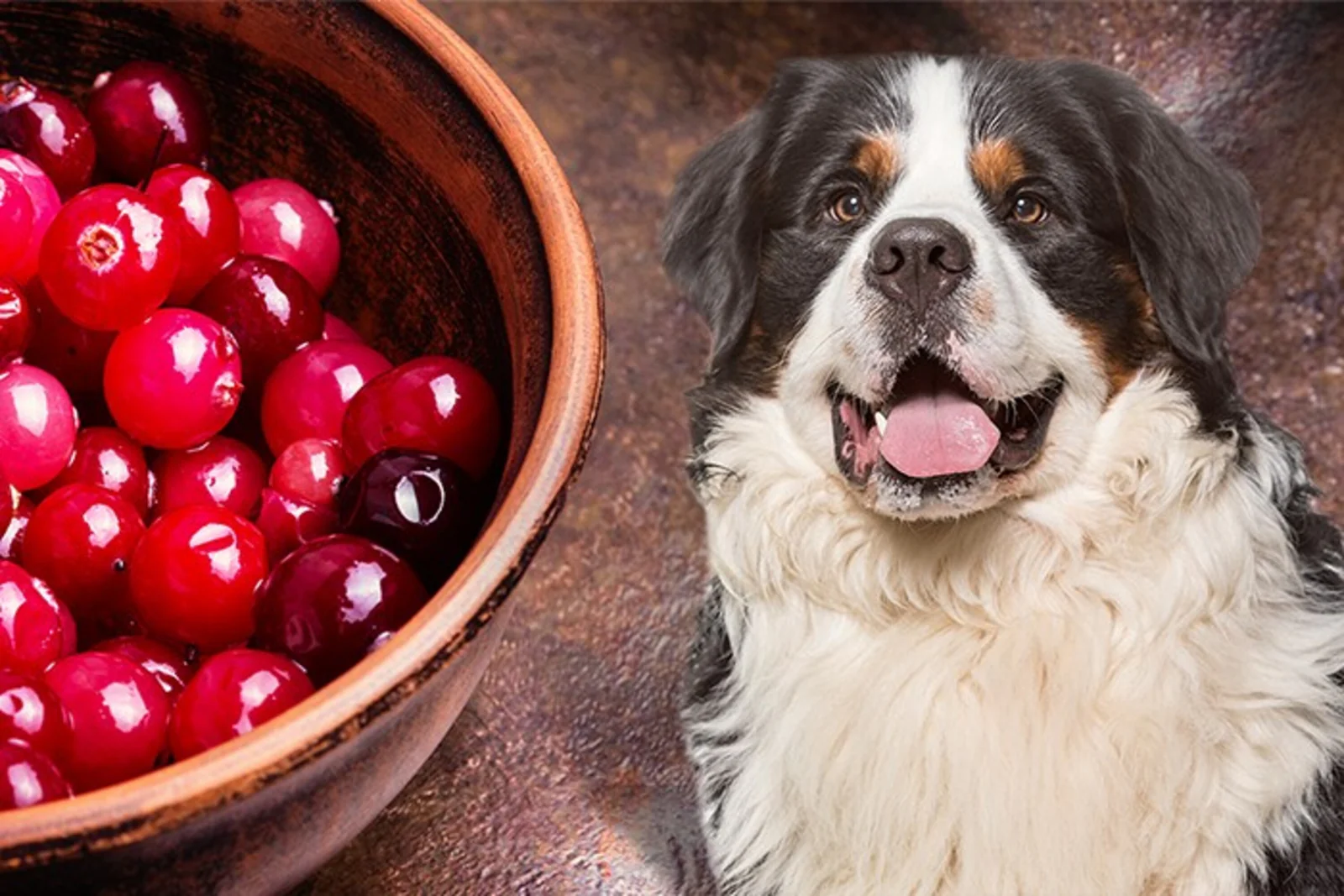
Cranberry Extract
Cranberries contain compounds that can help prevent bacteria from sticking to the bladder wall. It's not going to *kill* bacteria, but it can make it harder for them to colonize. Look for cranberry *extract* or supplements specifically formulated for pets. Avoid cranberry juice – it's often loaded with sugar, which isn't great.
D-Mannose
Similar to cranberry, D-mannose is a type of sugar that can bind to certain bacteria (specifically, E. coli, a common culprit in UTIs), preventing them from adhering to the urinary tract lining. It’s generally considered safe for pets. Follow dosing instructions carefully.
Increased Water Intake
This is mission-critical. More water equals more urination, which helps flush out bacteria. Make sure your pet always has access to fresh, clean water. Consider adding wet food to their diet or using a pet water fountain to encourage drinking.
Herbal Remedies
Some herbs, like uva ursi and buchu, have traditionally been used for UTIs. However, the scientific evidence for their effectiveness in pets is limited, and some can have side effects. I'm wary of these, personally. Always consult your vet before using any herbal remedy.
Probiotics
A healthy gut microbiome can support overall immune function, which *could* indirectly help prevent UTIs. Choose a probiotic specifically formulated for pets. But don't expect miracles. It's a long game.
The Expert's Corner: A Vet's Perspective
Look, I've seen too many pets suffer because owners tried natural remedies for too long, delaying proper treatment. UTIs can escalate quickly and, in severe cases, can lead to kidney infections or even sepsis. Don't play around. If your pet isn't improving within 24-48 hours of starting natural remedies, or if their symptoms are severe, please, please see your vet. A simple urine test can confirm the diagnosis, and antibiotics can usually knock out the infection quickly.
Pro-Tip: Ask your vet about a urine culture and sensitivity test. This identifies the specific bacteria causing the infection and determines which antibiotics will be most effective. It's worth the extra cost, especially for recurrent UTIs.
When to See a Vet: Non-Negotiable Signs
These symptoms warrant an immediate vet visit:
- Lethargy
- Loss of appetite
- Vomiting
- Fever
- Severe pain (whining, panting, reluctance to move)
- Inability to urinate
These are signs of a serious infection that needs immediate attention.
Prevention is Key
Preventing UTIs in the first place is always better than treating them. Here are some tips:
- Ensure adequate water intake.
- Provide frequent opportunities to urinate.
- Feed a high-quality diet.
- Maintain good hygiene, especially in female pets.
- Consider a cranberry supplement (with your vet's approval).
Final Thoughts
Natural remedies can play a role in managing *mild* UTIs or supporting conventional treatment. But they are not a substitute for veterinary care. Your pet's health is too important to gamble with. When in doubt, call your vet. We're here to help.