

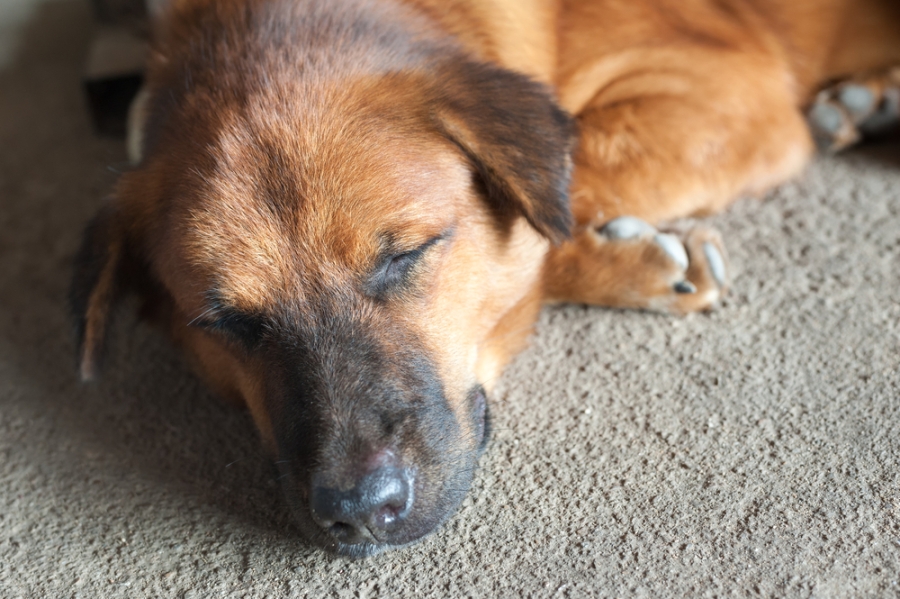
Is Your Pet Feeling Queasy? Let's Find Natural Relief
Seeing your pet uncomfortable is never easy. Nausea? It's the worst. You feel helpless. You're not alone. Many pet owners search for gentle ways to soothe their furry friends. This guide explores natural remedies for nausea in pets, offering practical advice and a vet's perspective. Let's get started.
Understanding Nausea in Pets
First, what is nausea? It's that awful feeling. That uneasy stomach. It often precedes vomiting. Signs include drooling, lip-licking, and restlessness. Sometimes, it's obvious. Other times, subtle. You might also notice a loss of appetite or increased swallowing. Pay attention. These are clues.
Natural Remedies: A Gentle Approach
Okay, let's talk solutions. Remember, these are for mild cases. If your pet is severely ill, see a vet. Immediately.
Ginger: The Age-Old Soother
Ginger can work wonders. It's a natural antiemetic. Meaning, it helps reduce nausea. Give a small amount of ginger tea. Or, a tiny piece of fresh ginger. Use caution with dosage. Too much? It can cause more problems.
Chamomile: Calm and Collected
Chamomile possesses soothing properties. It can calm the stomach. Brew weak chamomile tea. Offer it to your pet. Some pets love it. Others? Not so much. Observe their reaction. Stop if they refuse.
Dietary Adjustments: Bland is Best
Sometimes, it's what they eat. Or, don't eat. Offer a bland diet. Boiled chicken and rice are excellent choices. Easy to digest. Gentle on the stomach. Avoid fatty foods. These can worsen nausea.
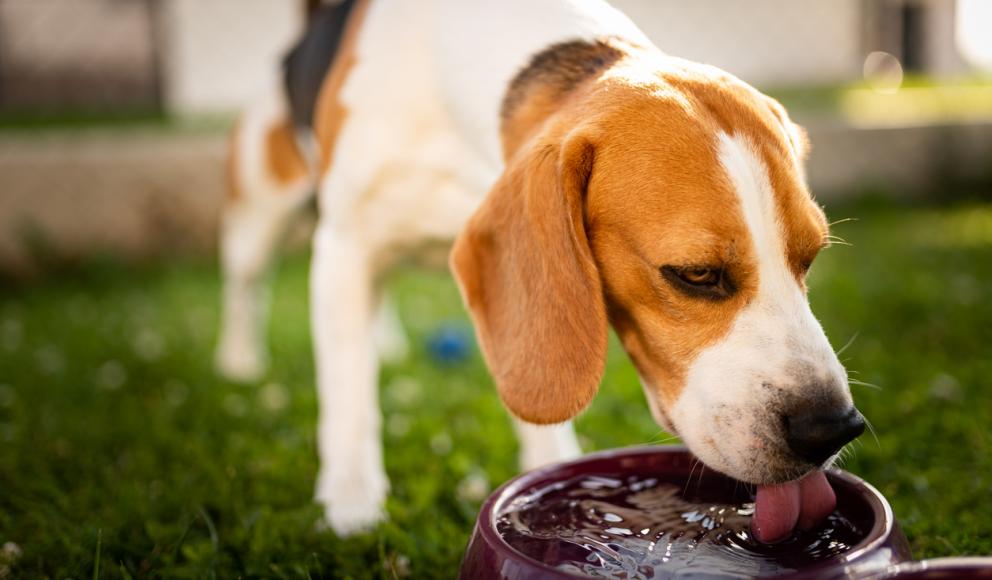
Hydration is Key
Nausea can lead to dehydration. Ensure fresh water is always available. Encourage your pet to drink. If they refuse, try offering ice cubes. Or, flavored water (chicken broth). A little trickery can help.
The Expert's Corner: Vet's Perspective
I've seen it all in the exam room. Pets with nausea from car rides. From medication. From eating something they shouldn't. (Like that sock). One thing I always emphasize: Watch for other symptoms. Lethargy. Diarrhea. Blood in vomit or stool. These are red flags. Don't wait. Seek professional help.
Pro-Tip: If your pet experiences chronic nausea, discuss potential underlying causes with your veterinarian. Food allergies, inflammatory bowel disease (IBD), or even kidney disease can contribute. Diagnosing the root cause is mission-critical for effective long-term management.
When to See a Vet
These remedies aren't a substitute for veterinary care. If nausea persists? Get it checked out. If it's accompanied by other symptoms? Don't delay. Trust your gut (pun intended). A vet can rule out serious conditions. And, provide appropriate treatment.
Remember, you know your pet best. Monitor their behavior. Act accordingly. With a little care and the right approach, you can help them feel better. Soon.