

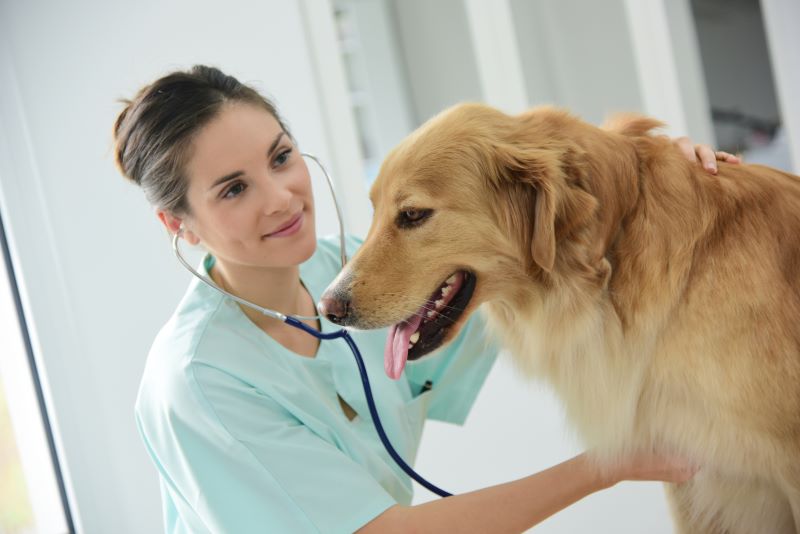
Natural Remedies for Erectile Dysfunction in Pets: A Vet's Guide
Alright, let's talk about something a little… delicate. You're here because you suspect your furry friend might be having some, ahem, performance issues. Let's face it. It happens. And while 'erectile dysfunction' isn't exactly the term we'd use in the exam room, I get what you're asking. Let's explore natural options.
It's mission-critical to state this upfront: I'm not saying natural remedies are a cure-all. Always, always consult with your veterinarian for a proper diagnosis and to rule out any serious underlying medical conditions. Okay? Good.
Understanding the Issue
First, let's get on the same page. True erectile dysfunction, as we understand it in humans, is relatively uncommon in pets. What's more likely is a decreased libido, pain, or some other factor interfering with normal mating behavior. Think about it.
What could be causing this? Several factors come into play:
- Stress: A nervous pet just isn't going to be in the mood.
- Hormonal Imbalances: Especially testosterone levels.
- Pain: Arthritis or other painful conditions can make mating uncomfortable.
- Underlying Medical Conditions: Prostate issues, infections, you name it.
Natural Remedies: What Might Help (and What Won't)
Now, for the part you're really here for. Remember, these are adjuncts to veterinary care, not replacements.
- L-Arginine: This amino acid is a precursor to nitric oxide, which plays a role in blood vessel dilation. Some believe it could help with blood flow, but the evidence in pets is limited.
- Tribulus Terrestris: An herb sometimes used to support healthy testosterone levels. Again, talk to your vet first.
- Adaptogens (Ashwagandha, Rhodiola): These herbs can help the body cope with stress. Important. A calmer pet might be more receptive.
- Dietary Changes: A balanced, high-quality diet is non-negotiable for overall health.
- Acupuncture: Some vets offer acupuncture to address pain and promote relaxation.
Important Note: Always source supplements from reputable companies. Contamination is a real concern. And again, always consult your vet before starting anything new.
The Expert's Corner: Vet’s Perspective
Here’s the truth. I’ve been doing this for 15 years. I've seen it all, from borborygmi to ataxia. The most common reason for these issues isn’t usually a physical problem, but a behavioral one. Is the environment right? Is there too much competition? Is the female receptive? Rule out the obvious first!
Pro-Tip: Before jumping to remedies, consider a pheromone diffuser designed to reduce anxiety. Sometimes, the simplest solutions are the most effective.
When to See a Vet (It's Not Optional)
If you notice any of the following, a vet visit is absolutely mission-critical:
- Pain or discomfort during attempts to mate.
- Lethargy or loss of appetite.
- Changes in urination or defecation.
- Any other unusual symptoms.
Don't delay. Early diagnosis and treatment can make a world of difference.