

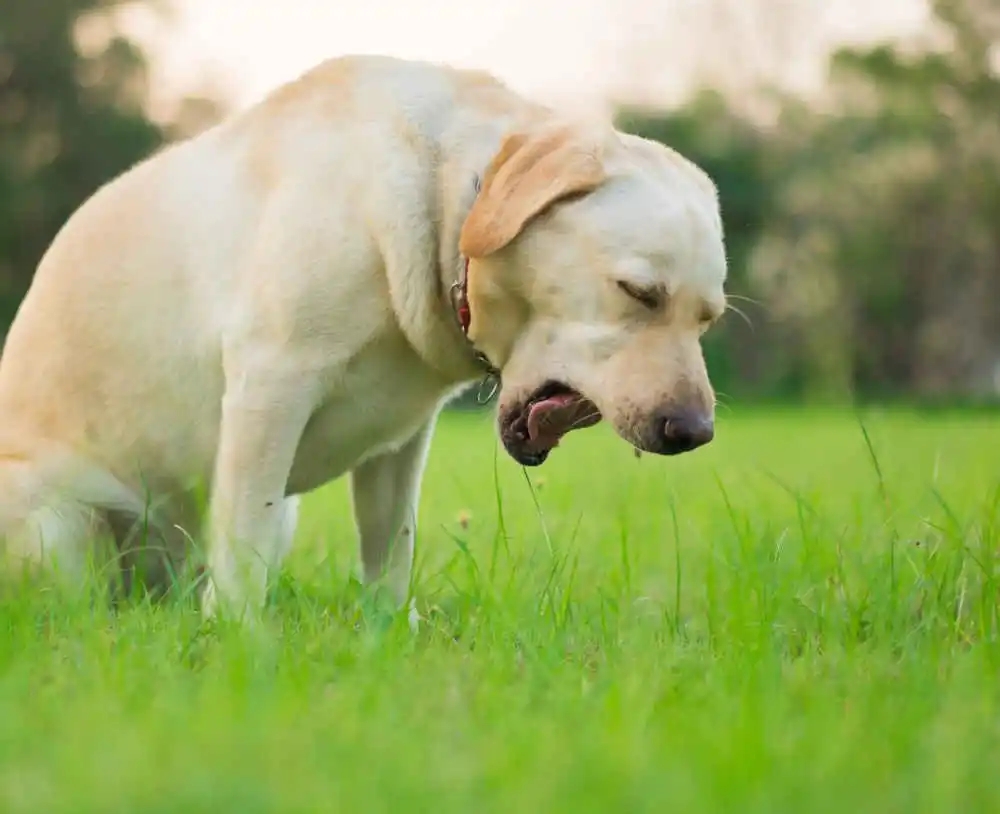
Is There a Natural Way to Stop the Runs?
Seeing your furry friend struggle with diarrhea is, well, awful. You're probably searching for gentle, effective ways to ease their discomfort. You're not alone. Many pet owners seek natural remedies before rushing to the vet for every tummy rumble. Let's explore some options. But remember: I’ve seen some nasty cases in the exam room, and sometimes home remedies aren't enough. When in doubt, call your vet.
What Causes Diarrhea in Pets?
First things first: what are we fighting? Diarrhea is a symptom, not a disease. It means something’s irritating your pet's digestive system. There are a lot of reasons why diarrhea might happen.
- Dietary indiscretion: Simply put, they ate something they shouldn't have. Garbage, table scraps, or even a new brand of food can trigger it.
- Infections: Viral or bacterial infections are common culprits. Think parvovirus or salmonella.
- Parasites: Worms (like roundworms or hookworms) can wreak havoc. Protozoa like Giardia or Coccidia can also cause issues.
- Stress: Yep, anxiety can mess with their gut, just like it does with us.
- Underlying medical conditions: Kidney disease, liver disease, pancreatitis – the list goes on.
I know, it's a lot. That's why a vet visit is crucial for persistent or severe cases. We need to rule out the serious stuff.
Natural Remedies: What Might Help
Okay, let's get to the good stuff. These remedies are for mild cases, understand? If your pet is severely ill, get them to the vet. These are just some of the things you can try.
The Bland Diet: Chicken and Rice to the Rescue
This is the cornerstone of at-home diarrhea management. Boiled, skinless chicken and plain white rice are easily digestible. It gives their gut a break. No seasoning, no butter, nothing fancy. Just plain, bland goodness.
How to do it: Offer small, frequent meals. Think 1/4 to 1/2 cup every 3-4 hours for a small dog or cat. Adjust the amount based on your pet's size. Continue this diet for 24-48 hours. Slowly reintroduce their regular food afterward.
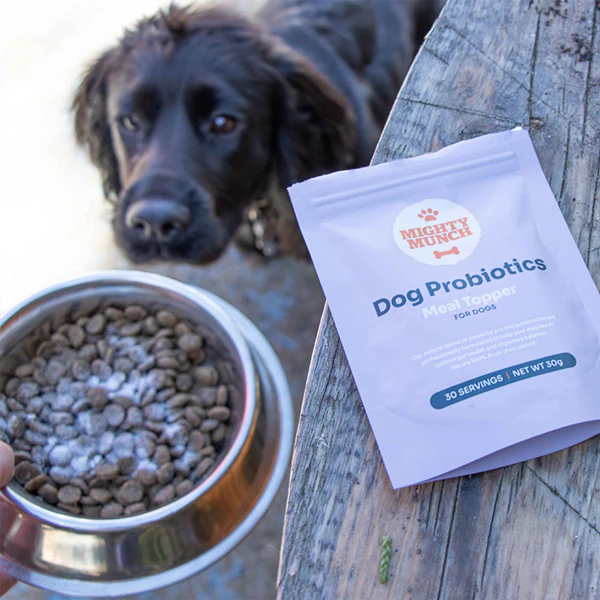
Probiotics: Good Bugs to the Rescue
Probiotics introduce beneficial bacteria into the gut. These good bacteria can help restore balance and fight off bad bacteria. Think of it as a tiny army fighting for gut health. Look for pet-specific probiotics. Human probiotics aren't always effective for animals.
How to do it: Follow the dosage instructions on the product label. You can mix the probiotic powder or capsule contents into their food. Or, even better, mix it with a little plain yogurt (make sure it contains live cultures!).
Pumpkin: Fiber Powerhouse
Plain, canned pumpkin (not pumpkin pie filling!) is a great source of fiber. Fiber can help bulk up the stool and regulate bowel movements. It can work wonders for both diarrhea and constipation, believe it or not.
How to do it: Add 1-4 tablespoons to their food, depending on their size. Start with a smaller amount and see how they tolerate it. Too much fiber can actually worsen diarrhea, so proceed with caution.
Herbal Remedies: Use Caution
Some herbs are believed to have anti-diarrheal properties. Chamomile, ginger, and peppermint are often mentioned. However, use these with extreme caution. Some herbs can be toxic to pets. And dosages are tricky. I generally advise against using herbal remedies unless you're working with a holistic vet.
The Expert's Corner: Vet's Perspective
Okay, real talk. I've seen owners try everything under the sun before finally bringing their pet in. Sometimes, that delay makes things worse. Don't let pride or cost concerns prevent you from seeking professional help. Dehydration is a serious risk with diarrhea, especially in small animals and puppies/kittens. Look for signs like sunken eyes, dry gums, and decreased skin elasticity (gently pinch the skin on their back; it should snap back quickly). If you see these, it's an emergency.
Pro-Tip: Keep a close eye on your pet's stool. Note the color, consistency, and frequency of bowel movements. This information will be invaluable to your vet. Also, collect a sample if possible. Fresh is best!
When to See a Vet: The Non-Negotiables
These are the red flags. Don't wait. Get them to a vet ASAP.
- Bloody diarrhea: This is never normal.
- Black, tarry stool: This indicates digested blood, which means bleeding higher up in the digestive tract.
- Vomiting: Especially if it's frequent or projectile.
- Lethargy: Extreme tiredness or weakness.
- Loss of appetite: Refusing to eat for more than 24 hours.
- Fever: A temperature above 102.5°F (rectally).
- Abdominal pain: Whining, guarding their belly, or reluctance to be touched.
- Diarrhea lasting more than 48 hours: It's time to get it checked out.
Trust your gut (pun intended). If something feels off, it probably is.
Prevention is Key
While you can't prevent every case of diarrhea, you can minimize the risk. Feed a high-quality diet, avoid giving table scraps, and keep them up-to-date on vaccinations and deworming. Manage their stress levels. And, of course, keep toxic substances out of their reach.
Final Thoughts
Diarrhea is a common problem, but it's not something to ignore. Natural remedies can be helpful for mild cases. But always err on the side of caution. Your pet's health is worth it.