


Is Your Pet Feeling Blue? Understanding Depression in Animals
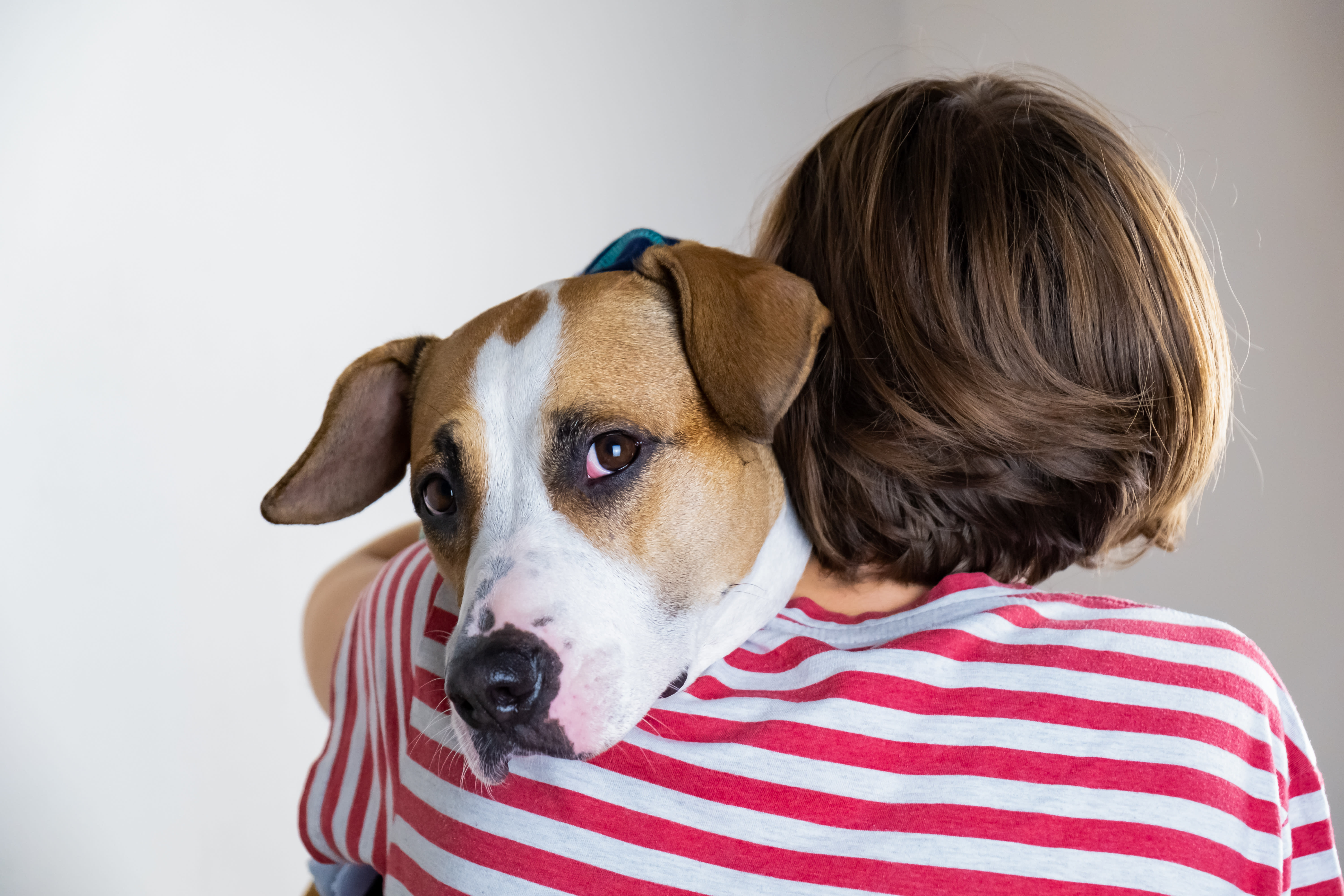
You're here because you suspect your furry friend isn't their usual, happy self. You're not alone. Pet depression is real, and it can manifest in various ways. Lethargy, loss of appetite, and changes in sleep patterns are common signs. Just like us, pets can experience periods of sadness and low energy. But what can you do?
Before diving in, understand this: I've seen countless cases in the exam room. It's not always straightforward. Ruling out underlying medical conditions is mission-critical. So, a vet visit is the first step.
Natural Remedies: A Gentle Approach
Okay, so your vet has given the all-clear medically. Now what? Let's explore some natural avenues to boost your pet's mood.
Supplements That May Help
Certain supplements can offer support. Think of them as gentle mood boosters. However, always consult your veterinarian before introducing new supplements. Some may interact with existing medications.
- SAMe (S-Adenosylmethionine): This can aid liver function and potentially improve mood.
- Omega-3 Fatty Acids: Found in fish oil, these support brain health.
- L-Theanine: Derived from green tea, it promotes relaxation without drowsiness.
- Probiotics: Gut health impacts mood. A healthy gut, a happier pet.
Lifestyle Adjustments: The Power of Routine
A predictable routine can work wonders. It provides a sense of security and stability. Animals thrive on knowing what to expect.
- Consistent feeding times.
- Regular exercise.
- Dedicated playtime.
- A comfortable, safe resting space.
Boredom is the enemy. Increased mental stimulation helps. Puzzle toys, training sessions, and even a change of scenery can make a difference. Keep things interesting!
The Expert's Corner: Vet's Perspective
From my experience, I've seen the best results when natural remedies are combined with behavioral modification. Reward positive behaviors. Ignore attention-seeking negative ones. And be patient. It takes time. Don't expect overnight miracles. One thing I've learned? Sometimes, a simple change in environment helps more than anything. A new window perch for a cat, or a new walking route for a dog, can make a difference.
Pro-Tip: Keep a journal. Track your pet's behavior and mood changes. This will help you and your vet assess the effectiveness of any remedies you try.
When to Seek Professional Help
Natural remedies aren't always enough. If your pet's depression is severe or persistent, medication might be necessary. Don't hesitate to discuss this with your vet. Sometimes, pharmaceutical intervention is the most compassionate choice. It’s about quality of life. And remember, you are not alone in this.