

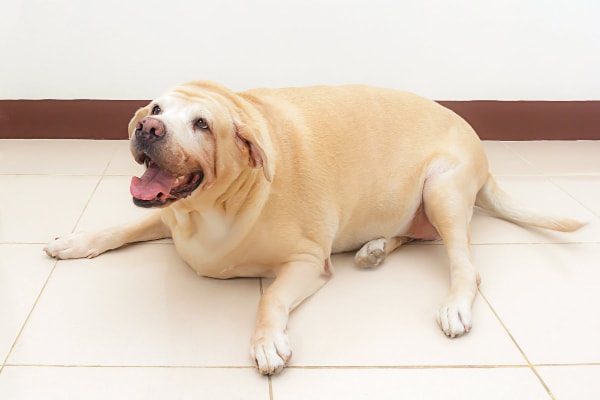
Is Your Furry Friend Feeling…Puffy?
Seeing your pet uncomfortable is never fun. Bloating? It's often more than just a bit of gas. It can signal digestive upset, food sensitivities, or something more serious. I've seen it all in the exam room – from simple indigestion to life-threatening emergencies. This article will cover natural remedies for bloating. But *always* consult your vet first. Got it?
Understanding Bloating in Pets
What *is* bloating, exactly? Medically, we're talking about abdominal distension. It's that swollen, tight feeling in the belly. You might notice your pet is restless, uncomfortable, or even panting. The underlying causes? Varied. Diet, gulping air, lack of exercise, or even certain medical conditions can be culprits. Borborygmi – that's vet-speak for tummy rumbling – often accompanies it.
Common Causes of Bloating
- Dietary Indiscretion: Eating something they shouldn't have. Garbage, table scraps… you know the drill.
- Food Sensitivities: Some pets react poorly to certain ingredients.
- Rapid Eating: Gulping food and air simultaneously.
- Lack of Exercise: A sedentary lifestyle can slow digestion.
- Underlying Medical Conditions: Sometimes, bloating signals something more serious.
Natural Remedies: A Gentle Approach
Okay, let's get to the good stuff. Natural remedies can offer relief, *but* they aren't a substitute for proper veterinary care. If your pet's condition worsens, seek professional help *immediately*.
Herbal Helpers
- Ginger: A classic for nausea and digestive upset. It helps to reduce gas and soothe the stomach lining. A tiny pinch of powdered ginger in their food might help.
- Chamomile: Known for its calming properties. Chamomile tea (cooled, of course!) can ease digestive spasms.
- Peppermint: Relaxes the stomach muscles and helps to expel gas. A few drops of peppermint oil (properly diluted and *never* given directly) can be beneficial.
Dietary Adjustments
Sometimes, the answer lies in their bowl. What are they eating? Is it easily digestible? Here's what I often recommend:
- Smaller, More Frequent Meals: Eases the digestive load.
- High-Quality, Easily Digestible Food: Look for formulas with limited ingredients.
- Probiotics: Introduce beneficial bacteria to support gut health.

Gentle Exercise
A little movement can go a long way. A short, gentle walk can stimulate digestion and help to release trapped gas. Avoid strenuous activity, especially if your pet is already uncomfortable.
The Expert's Corner: Vet’s Perspective
Here's a truth bomb: Natural remedies are *not* a cure-all. I've seen pets come in with severe bloat, only to discover a twisted stomach (GDV) or other life-threatening condition. Time is of the essence in these cases. So, if your pet exhibits signs like a distended abdomen, unproductive retching, weakness, or ataxia (that's wobbliness, for those not in the know), get them to a vet *now*. Seriously. Don't delay. A stitch in time saves nine, as they say.
When to See a Vet: Non-Negotiable Warning Signs
Knowing when to skip the home remedies is mission-critical. These signs warrant an immediate trip to the vet:
- Severe Abdominal Distension: A rock-hard, obviously swollen belly.
- Unproductive Retching: Trying to vomit but nothing comes up.
- Weakness or Collapse: Can't stand or is lethargic.
- Pale Gums: Indicates poor circulation.
- Difficulty Breathing: Any sign of respiratory distress.
Prevention: The Best Medicine
Preventing bloating is always better than treating it. Here are some tips to keep your pet's tummy happy:
- Feed a High-Quality Diet: Avoid fillers and artificial ingredients.
- Use a Slow Feeder Bowl: Prevents rapid eating.
- Avoid Table Scraps: Resist those puppy-dog eyes!
- Regular Exercise: Keeps the digestive system moving.
- Regular Vet Checkups: Catch potential problems early.