

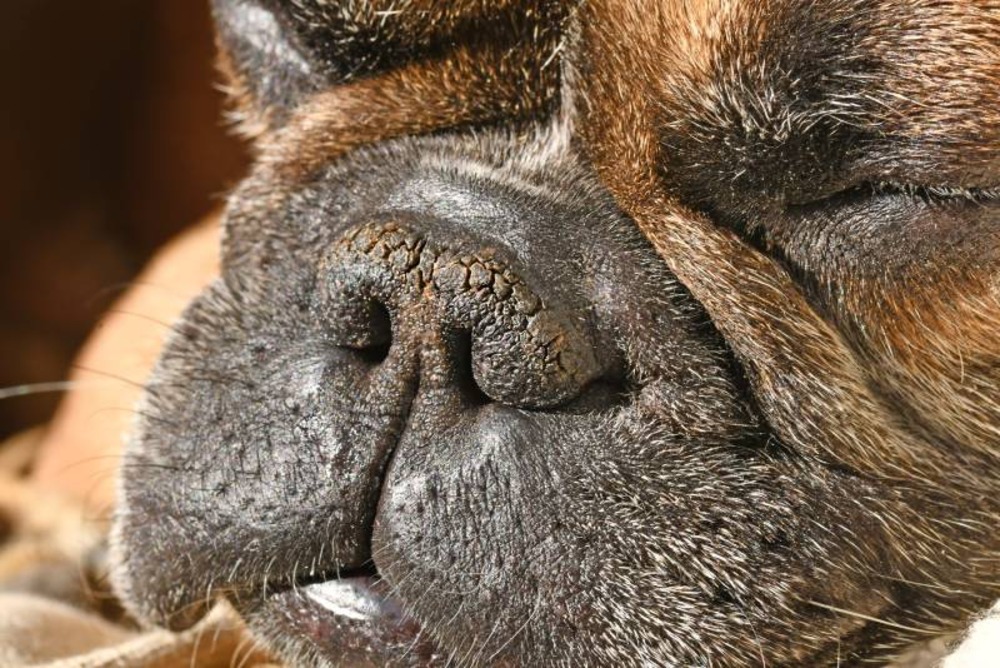
My Dog's Nose is Chapped! Vet-Approved Care & Causes
Here's something you probably didn't know: a warm, dry nose on a dog isn't always a sign of sickness, despite what old wives' tales might tell you. The truth is, a chapped nose *is* a red flag. It indicates an underlying issue that demands your attention.
Busy Owner Summary: A chapped dog nose isn't normal and signals an underlying issue. Dehydration, sunburn, allergies, or even autoimmune diseases can be the cause. Use dog-safe nose balm and consult your vet if the chapping persists or worsens.
Why is my dog's nose chapped? Top causes
A chapped nose on your dog can stem from various factors, ranging from simple dehydration to more complex health conditions. Identifying the root cause is mission-critical for providing appropriate care and relief. Don't just slather on any old cream; understanding the 'why' is half the battle.
1. Dehydration and Dry Dog Nose: What's the Link?
Dehydration is a serious concern that can manifest as a dry, chapped nose. When a dog is dehydrated, their body shunts fluids to vital organs, leaving less moisture for peripheral tissues like the nasal planum. This leads to dryness, cracking, and discomfort. Always ensure access to fresh water.
The Clinical Perspective: Dehydration impacts cellular function. Reduced water volume affects electrolyte balance, hindering nutrient transport and waste removal. This is especially noticeable in tissues with high turnover rates, like the nasal epithelium. I tell my clients, think of it like a desert – everything dries up and cracks.
Home-Care Hacks: Ensure constant access to fresh water. Consider adding low-sodium chicken broth to the water to encourage drinking. Monitor urine output – it should be plentiful and light in color.
Red Flag Checklist: Lethargy, sunken eyes, dry gums, and loss of skin elasticity are all red flags. If you see these with a dry nose, it's ER time.
2. Sunburn and Windburn on Dog's Nose: Prevention Tips
Prolonged exposure to the sun or wind can damage the delicate skin on a dog's nose, leading to dryness and chapping. Dogs with light-colored noses or thin fur are particularly susceptible. Windburn strips away natural oils, while UV radiation damages skin cells, leading to inflammation and cracking.
The Clinical Perspective: UV radiation induces DNA damage in skin cells, leading to inflammation and potentially pre-cancerous changes. Chronic sun exposure can accelerate telomere shortening, contributing to premature aging of the nasal skin. Honestly, I see this all the time in the exam room during summer.
Home-Care Hacks: Apply dog-safe sunscreen to the nose before outdoor activities. Use a nose balm with UV protection. Limit sun exposure during peak hours.
Red Flag Checklist: Blisters, redness, and pain indicate severe sunburn. Watch for any changes in nose pigment or texture over time.
3. Age-Related Dryness: How to Keep an Older Dog's Nose Moist
As dogs age, their bodies produce less natural oils, leading to drier skin, including the nose. Reduced sebaceous gland activity and decreased collagen production contribute to this dryness. This is a natural part of the aging process, but it can be managed with proper care.
The Clinical Perspective: With age, there's a decline in the production of hyaluronic acid, a key component of skin hydration. This leads to decreased water retention and increased susceptibility to dryness and cracking. Plus, decreased IGF-1 levels impair tissue repair. It's just like us getting wrinkles!
Home-Care Hacks: Regularly apply a moisturizing nose balm. Ensure adequate hydration. Consider adding omega-3 fatty acids to their diet to support skin health.
Red Flag Checklist: Excessive nasal discharge, bleeding, or changes in nose shape warrant veterinary attention.
4. Breed Predisposition and Body Conformation: Brachycephalic Dog Nose Care
Certain breeds, especially brachycephalic (short-nosed) dogs like Pugs and Bulldogs, are prone to dry noses due to their facial structure. They have difficulty reaching their noses with their tongues to keep them moist. This anatomical disadvantage predisposes them to nasal dryness and hyperkeratosis.
The Clinical Perspective: The shortened nasal passages in brachycephalic breeds can disrupt normal airflow and mucociliary clearance, leading to increased dryness. Additionally, many have exaggerated skin folds, creating a breeding ground for bacteria and yeast, further irritating the nose. I always tell my clients with these breeds to be extra vigilant.
Home-Care Hacks: Apply nose balm frequently. Clean facial folds regularly with a mild antiseptic solution. Use a humidifier in dry environments.
Red Flag Checklist: Crusty buildup, nasal discharge, or difficulty breathing require veterinary evaluation.
5. Allergies and Irritants: Identifying the Culprit Behind Your Dog's Dry Nose
Allergies to food, pollen, or environmental irritants can manifest as skin problems, including a dry, chapped nose. Allergic reactions trigger inflammation and increased mucus production, which can paradoxically lead to dryness as the mucus evaporates. Allergies can also cause secondary bacterial infections.
The Clinical Perspective: Allergic reactions involve the release of histamine and other inflammatory mediators, causing vasodilation and increased vascular permeability. This disrupts the skin barrier and predisposes the nose to dryness and secondary infections like mucocutaneous pyoderma. We often see this in the spring.
Home-Care Hacks: Identify and eliminate potential allergens. Use hypoallergenic shampoos and cleaning products. Consult your vet about allergy testing and treatment options.
Red Flag Checklist: Itching, scratching, sneezing, and nasal discharge are signs of allergies. Look for secondary skin infections with pus.
6. Underlying Health Conditions: When a Chapped Nose Signals Something More Serious
Certain health conditions, such as autoimmune diseases and skin cancer, can cause a chapped nose. Squamous cell carcinoma, for example, can cause lesions and dryness on the nose. Autoimmune diseases disrupt the immune system, leading to inflammation and damage to the skin.
The Clinical Perspective: Autoimmune diseases like discoid lupus erythematosus (DLE) cause the immune system to attack the skin cells of the nose, leading to inflammation, crusting, and pigment loss. Squamous cell carcinoma involves uncontrolled growth of skin cells, often triggered by UV radiation. I always recommend a biopsy for any suspicious lesions.
Home-Care Hacks: Monitor the nose for any changes in appearance. Protect the nose from sun exposure. Follow your vet's recommendations for managing underlying health conditions.
Red Flag Checklist: Non-healing lesions, changes in nose shape or color, and bleeding warrant immediate veterinary attention.
7. Autoimmune Disease and Dog Nose Problems
Autoimmune diseases like discoid lupus erythematosus (DLE) and pemphigus can cause severe chapping and crusting of the nose. In these conditions, the dog's immune system mistakenly attacks healthy skin cells, leading to inflammation and tissue damage. This often results in a loss of the nose's normal cobblestone texture and pigment.
The Clinical Perspective: DLE is characterized by the deposition of immune complexes at the dermal-epidermal junction, leading to basal cell damage and inflammation. Pemphigus involves the production of antibodies against proteins that hold skin cells together, resulting in blisters and erosions. Honestly, these cases are heartbreaking to see.
Home-Care Hacks: Strict sun avoidance is mission-critical. Apply prescribed topical medications as directed. Manage stress, as stress can exacerbate autoimmune conditions.
Red Flag Checklist: Ulceration, bleeding, and significant changes in nose structure are all cause for immediate veterinary concern.
Are Dry Noses Normal for Dogs? Debunking the Myth
Despite common misconceptions, a consistently dry nose is not normal for dogs. While a transiently dry nose might occur after exercise or sleep, a persistently dry or chapped nose indicates an underlying issue that warrants investigation. Don't fall for the old wives' tale; pay attention to your dog's nose!
Conclusion: Prioritizing Your Dog's Nasal Health
A chapped nose is more than just a cosmetic issue; it's a sign that something is amiss. By understanding the potential causes and taking proactive steps, you can help keep your dog's nose healthy and happy. And remember, when in doubt, consult your veterinarian.