

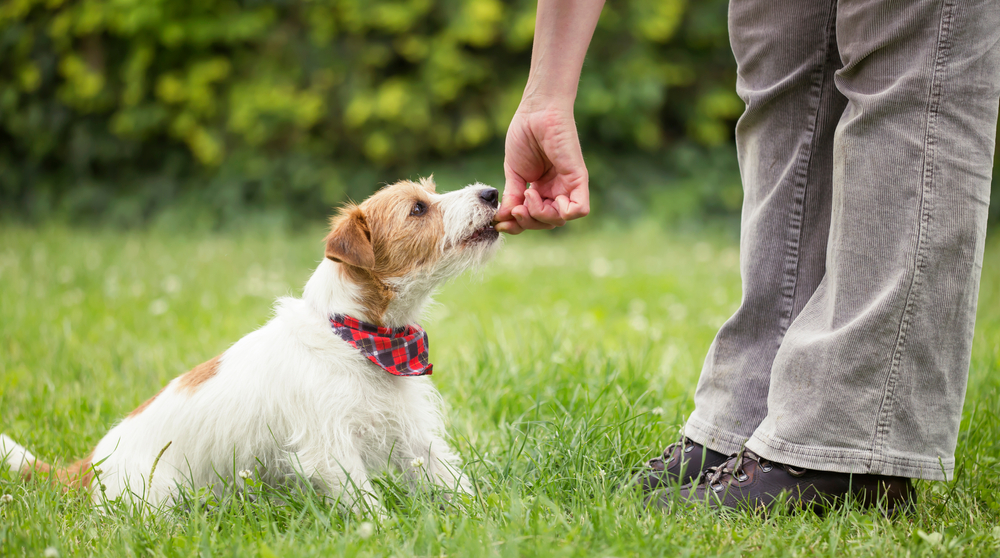
Mastering Dog Treat Etiquette: A Vet's Guide to Safe & Polite Treating
Here's a counter-intuitive fact from the exam room: many owners think any treat is a 'good' treat. Actually, the *way* you offer the treat is just as mission-critical as the treat itself. The goal? Preventing accidental bites and teaching impulse control.
For busy owners: Treat etiquette isn't just about being polite; it's about safety and training. Teach your dog to accept treats gently to prevent accidental bites and reinforce impulse control. Start with a closed fist and progress to open-hand offerings, always rewarding patience.
Why Does Dog Treat Etiquette Matter? (The Unexpected Benefits)
Dog treat etiquette is more than just preventing nipped fingers. It's foundational training. Teaching a dog to accept a treat politely reinforces patience, self-control, and gentleness. These skills translate into better overall behavior around other dogs and humans. Think of it as canine table manners – sometimes you can be lax, but when it matters, those skills are non-negotiable. From a clinical perspective, consider the neurological pathways being reinforced; the delay between impulse (grabbing the treat) and reward (receiving the treat gently) strengthens inhibitory control in the prefrontal cortex. This is the same area involved in managing anxiety and aggression.
The Clinical Perspective: Biological 'Why'
Let's get granular. The act of teaching treat etiquette taps into a dog's natural reward system. When a dog performs the desired behavior (waiting patiently, taking the treat gently), dopamine is released in the brain. This neurotransmitter reinforces the behavior, making it more likely to be repeated. Moreover, the process of learning and mastering new skills helps to build cognitive resilience, which is especially important as dogs age and are more prone to canine cognitive dysfunction (CCD), similar to Alzheimer's. This involves the accumulation of beta-amyloid plaques in the brain, disrupting neuronal function. Treat training, therefore, is not just about manners; it's about long-term brain health.
The Dos and Don’ts of Offering Treats (Avoid These Mistakes!)
Treat etiquette is a two-way street, honestly. It's not just the dog's responsibility; owners need to be mindful too. Half the effort falls on your dog, but the other half falls on your shoulders.
When offering a treat, DO:
- Watch the calories: It’s easy to go overboard. Opt for low-calorie treats or break apart whole treats into smaller pieces. Consider treats with novel proteins if your dog has any pruritus (itchy skin) or borborygmi (stomach rumbling).
- Have patience: You might find that your dog isn’t as patient with accepting treats—and neither are you. Have patience as both of you learn and relearn these basic skills.
- Practice in different locations: Practicing in the kitchen is one thing, but try other venues to increase the difficulty of each lesson and get them used to being gentle and patient no matter what’s going on around them. Introducing distractions helps to build resilience.
- Mind your hands and fingers: Dogs without treat manners quickly bite fingers and hands by accident. Try to not be injured in the process. Wear gloves if needed.
When offering a treat, DON’T:
- Feed above your dog’s head: There are certainly times when offering a treat above the head is good, but this can teach your dog to jump up, which is the opposite of what we want in these exercises. Ensure your dog sits or lays down when accepting treats. The goal is to reinforce calm, submissive behavior.
How to Give a Dog a Treat: Level 1 (Puppies & Beginners)
Level 1 is all about establishing a baseline. This is where you start with puppies or dogs with zero treat manners.
Step 1: Grasp the Treat
Grasp the treat in your hand with a closed fist. This prevents the dog from simply snatching the treat.
Step 2: Offer the Treat
Move your fist just under your dog’s chin. If they try to bite your fist to get to the treat, keep your hand closed and wait. When they stop biting and only nudge and lick, open your fist and let them eat the treat. Repeat several times. The underlying principle here is extinction – the biting behavior is not rewarded, while the gentle behavior is.
Step 3: Add a Command
When your dog starts to understand the concept, add the command “gentle” as soon as you open your hand. This creates a verbal association with the desired behavior. What I tell my own clients is to use a consistent command. Don't switch between 'gentle' and 'easy' because it confuses the dog.
Step 4: Move the Treat
Now move the treat between your finger and your thumb and say “gentle”. If your dog tries to grab it, hide the treat in your fist and return to closed/open fist training until the skill is re-learned. Move the treat back between your finger and thumb and try again. When your dog can be patient for a few seconds, offer the treat. This tests the dog's impulse control at a higher level. Clicker Training Option: When your dog remains gentle for a few seconds, “click” and immediately offer a treat.
How to Give a Dog a Treat: Level 2 (Sit & Stay Mastery)
Level 2 builds upon the foundation of Level 1, incorporating basic commands like 'sit' and 'stay'. This is for dogs who have some impulse control but need refinement.
Step 1: Call Your Dog
Call your dog and have them sit in front of you.
Step 2: Grasp the Treat
Hold the treat in a closed fist and place it below the chin line.
Step 3: If Your Pup Lunges
If your pup lunges toward the treat, pull your hand back and give the “sit” or “stay” command. This reinforces obedience and impulse control. The act of pulling back your hand introduces a negative reinforcement – the lunging behavior results in the treat being removed.
Step 4: If Your Pup Sits and Stays
If your dog does as they’re told, raise and offer the treat. Repeat. Clicker Training Option: After a few seconds of your dog staying still, “click” and offer the treat.
How to Give a Dog a Treat: Level 3 (Advanced Treat Handling)
Level 3 is for well-trained adult dogs with solid impulse control. This level tests their ability to remain patient even with the treat fully exposed.
Step 1: Call Your Dog
Call your dog and give the “sit” or “stay” command.
Step 2: Present the Treat
Place the treat between your finger and thumb while lifting the other three fingers. Your hand should form the “okay” hand symbol. Hold for several seconds. This exposes the treat fully, increasing the temptation for the dog. This tests the dog's ability to inhibit their natural instinct to grab the treat.
Step 3: If Your Pup Lunges
If your pup lunges toward the treat or sniffs and licks the treat, pull your hand back and give the sit-stay command. Present the treat again. Consistency is mission-critical here.
Step 4: If Your Pup Sits and Stays
If your pup remains patient, lower the three outer fingers while saying “gentle” and offer the treat. Clicker Training Option: After a few seconds of your dog remaining patient, “click” while you lower your fingers.
Home-Care Hacks (Low-Cost, Practical Tips)
- Use kibble: Don't waste expensive treats on training. Use your dog's regular kibble for early training stages.
- DIY treats: Make your own low-calorie treats. Carrot sticks, apple slices (without seeds), or cooked sweet potato are great options.
- Practice frequently: Short, frequent training sessions (5-10 minutes) are more effective than long, infrequent ones.
The Red Flag Checklist (When to Panic vs. When to Wait)
- Aggressive behavior: If your dog shows any signs of aggression (growling, snapping) during treat training, stop immediately and consult with a professional dog trainer or veterinary behaviorist.
- Frustration: If your dog becomes overly frustrated or anxious during training, take a break and try again later.
- Lack of progress: If you're not seeing any progress after several weeks of consistent training, seek professional guidance.
- Sudden changes: If your dog suddenly starts exhibiting poor treat manners after previously being well-behaved, this could indicate an underlying medical issue. Schedule a veterinary exam to rule out any health problems that could be causing changes in behavior, like dental pain or even early stages of Canine Cognitive Dysfunction (CCD) which impacts executive function.
Conclusion
Honestly, even though offering a treat seems basic, practicing good treat etiquette encourages foundational skills in dog manners. So, the next time you offer a treat to your dog, pay attention to their habits (and yours). You might need to brush up on your skills, too!