

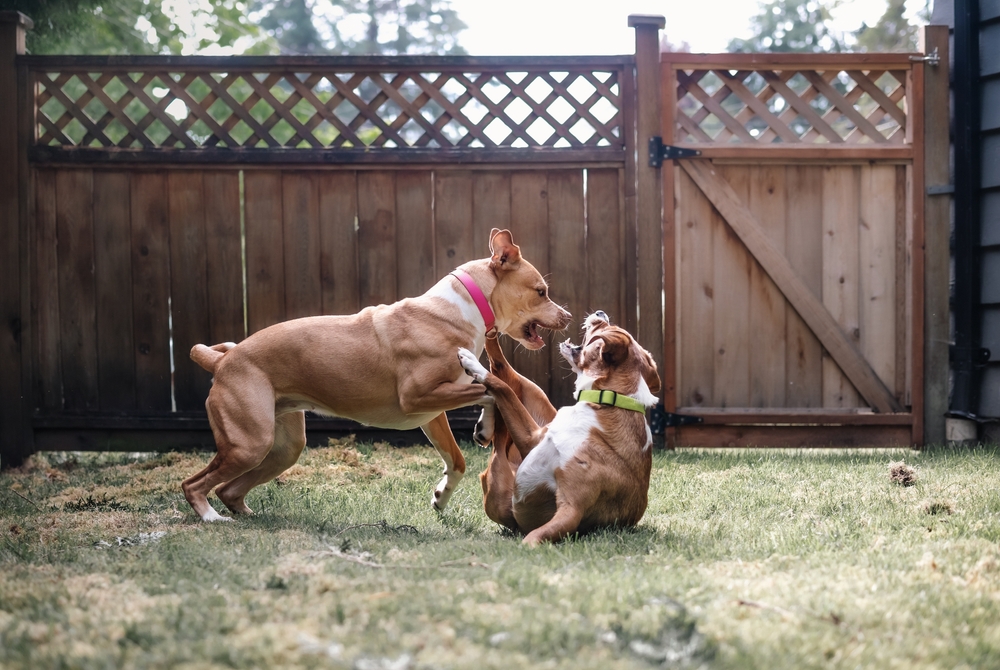
Is Your Dog Too Rough? How to Curb Overexcited Play (Vet-Approved)
Here's a truth bomb most owners don't want to hear: that cute 'play bow' might actually be a sign of underlying anxiety, not just an invitation to frolic. Dogs often use exaggerated play signals to mask uncertainty or even to control the interaction. It's our job to read the situation and step in before things escalate.
Busy Owner Summary: Is your dog playing too rough? First, establish a solid recall command. Second, learn to recognize the signs of escalating play, like stiff body language. Third, don't hesitate to separate dogs to prevent overstimulation.
Why Is My Dog Suddenly Playing Rough – And How Do I Stop It?
If your usually friendly dog has suddenly turned into a roughhousing terror, it could be due to several factors. Rough play often stems from pent-up energy or a lack of appropriate socialization. Understanding the root cause is mission-critical for addressing the behavior effectively. It's not just about stopping the behavior; it's about understanding the 'why' behind it.
From a clinical perspective, sudden changes in play behavior can sometimes indicate underlying medical issues. For example, a dog experiencing chronic pain might become more reactive and less tolerant during play. The discomfort could lower their threshold for what they perceive as acceptable interaction, leading to what appears as 'rough' play. Think of it like a human with a headache – they're less likely to put up with minor annoyances. This is especially true in older dogs where osteoarthritis might be setting in, leading to subtle changes in gait and posture that make them more vulnerable during play. These changes can affect proprioception, their sense of body awareness, leading to clumsy movements that other dogs might misinterpret as aggression. So, if the rough play is a new development, a vet visit is non-negotiable to rule out any hidden health problems.
Home-Care Hacks:
- The 'Time Out' Zone: Designate a quiet space where your dog can decompress when play gets too intense. A crate or a bed in a low-traffic area works wonders.
- Puzzle Toys: Engage your dog's mind with puzzle toys to burn off excess energy. A tired dog is less likely to initiate rough play.
- Sniffing Walks: Replace some high-energy play sessions with leisurely sniffing walks. The mental stimulation of exploring new scents can be surprisingly tiring.
Red Flag Checklist:
- Unprovoked Snapping: If your dog snaps or bites without warning, seek professional help immediately.
- Obsessive Behavior: If your dog becomes fixated on another dog and won't disengage, it's a sign of a deeper issue.
- Injuries: Any injuries sustained during play warrant a vet visit.
Why Is Recall Training So Important for Curbing Rough Play?
A reliable recall—getting your dog to come to you immediately when called—is honestly one of the most valuable tools in your arsenal. It allows you to interrupt potentially escalating situations before they turn into full-blown roughhousing. Think of it as an emergency brake for playtime. But here's the deal: a recall is only as good as the training behind it.
From a clinical perspective, a solid recall taps into a dog's innate pack drive and their desire to please their owner. When properly trained, the recall command triggers a cascade of neurochemical responses in the dog's brain. Dopamine, the 'feel-good' neurotransmitter, is released, reinforcing the positive association between obeying the command and receiving a reward. This reward doesn't always have to be a treat; it can be verbal praise, a favorite toy, or even just a scratch behind the ears. The key is consistency and positive reinforcement. However, a poorly trained recall can actually make things worse. If the dog associates the recall with punishment or the end of playtime, they're less likely to respond reliably when you need them to. This can create a negative feedback loop, where the dog becomes increasingly resistant to the command, especially in high-distraction environments like a dog park. Inconsistent commands also confuse the dog, leading to frustration and anxiety, which can manifest as increased reactivity and, ironically, more rough play.
Home-Care Hacks:
- High-Value Rewards: Use treats that your dog goes bonkers for during recall training. Think small pieces of cheese, cooked chicken, or even hot dog.
- Practice in Low-Distraction Environments: Start training in a quiet room and gradually increase the level of distractions as your dog progresses.
- Make it Fun: Keep recall training positive and engaging. Use an enthusiastic tone of voice and celebrate every success.
Red Flag Checklist:
- Ignoring the Command: If your dog consistently ignores the recall command, it's time to revisit your training methods.
- Hesitation: Any hesitation in responding to the recall indicates a lack of confidence or a negative association with the command.
- Running Away: If your dog runs away when you try to recall them, it's a sign of a serious behavioral issue.
How Does Leash Management Help Prevent Rough Dog Play?
Using a leash, especially in the early stages of socialization, gives you an extra layer of control. It allows you to gently guide your dog away from potentially problematic interactions and prevent them from escalating situations too quickly. It's not about yanking them around; it's about providing a clear signal and a physical barrier.
From a clinical perspective, leash management works by influencing a dog's spatial awareness and their ability to assert dominance. A leash can create a sense of security for a nervous dog, preventing them from feeling the need to overcompensate with aggressive behavior. It also allows you to control their approach to other dogs, preventing them from rushing in and overwhelming the other animal. This is especially important for puppies who are still learning the ropes of social interaction. However, improper leash handling can actually exacerbate the problem. A tight leash can create tension and anxiety in the dog, making them more likely to react defensively. It can also restrict their natural movements, preventing them from communicating effectively with other dogs through body language. The key is to use the leash as a tool for communication and guidance, not as a means of punishment or control. A loose leash allows the dog to move freely and interact naturally, while still providing you with the ability to intervene if necessary.
Home-Care Hacks:
- Loose Leash Walking: Practice loose leash walking in a variety of environments to desensitize your dog to distractions.
- Controlled Introductions: Use the leash to control your dog's approach to other dogs. Allow them to sniff and greet each other briefly before moving on.
- Positive Reinforcement: Reward your dog for calm and relaxed behavior on the leash.
Red Flag Checklist:
- Pulling and Lunging: If your dog constantly pulls or lunges on the leash, it's a sign of anxiety or frustration.
- Aggression on Leash: Leash aggression is a serious issue that requires professional help.
- Fearful Behavior: If your dog is constantly fearful or anxious on the leash, it's important to address the underlying cause.
When Is Separation Necessary to Reduce Overexcitement?
Sometimes, the best way to stop rough play is to simply separate the dogs. This gives them a chance to calm down and reset their energy levels. It's like hitting the pause button on playtime before things get out of hand.
From a clinical perspective, separation works by reducing the level of sensory stimulation that the dogs are experiencing. Overexcitement can trigger a cascade of hormonal and neurological responses in the brain, making it difficult for the dog to control their impulses. Adrenaline and cortisol, the stress hormone, flood the system, leading to increased heart rate, rapid breathing, and heightened alertness. This state of hyperarousal can impair the dog's ability to think clearly and make rational decisions, making them more likely to engage in rough or aggressive behavior. Separation allows the dog's nervous system to calm down and return to a more balanced state. It also gives them a chance to process the interaction and learn from their mistakes. However, it's important to separate the dogs in a calm and controlled manner. Yelling or physically dragging them apart can actually escalate the situation and create a negative association with separation. The key is to use a neutral tone of voice and gently guide them to separate areas. A crate or a separate room can provide a safe and secure space for them to decompress.
Home-Care Hacks:
- Designated Quiet Zones: Create designated quiet zones where each dog can retreat when they need a break.
- Time Outs: Implement time outs when play gets too rough. Separate the dogs for a few minutes and then allow them to re-engage in a calmer manner.
- Calming Music: Play calming music to help reduce anxiety and promote relaxation.
Red Flag Checklist:
- Inability to Calm Down: If the dogs are unable to calm down after separation, it's a sign of a deeper issue.
- Escalating Behavior: If the behavior escalates after separation, seek professional help immediately.
- Fear or Anxiety: If the dogs exhibit fear or anxiety during separation, it's important to address the underlying cause.
The Clinical Perspective
Honestly, what I tell my clients in the exam room is this: preventing rough play is about understanding your dog's individual personality and recognizing their triggers. Some dogs are naturally more boisterous than others, and some have lower tolerances for certain types of play. It's your job to be their advocate and step in when necessary. Remember, a little prevention goes a long way in ensuring a safe and enjoyable playtime for everyone involved.