

Is Your Dog Bugging Out? A Vet's Guide to Spotting and Stopping Pesky Parasites
Here's a truth bomb: those "natural" flea collars you see online? Often, they're about as effective as a placebo. Owners think they're saving money, but they're really just giving parasites a free buffet. Prevention is the only way. Don't believe me? Wait until your house is infested.
For Busy Owners: Parasites are common in dogs, both inside and out. Prevention is key, using veterinarian-approved products. Watch for symptoms like scratching, diarrhea, or visible worms, and see your vet promptly for diagnosis and treatment.
Why is My Dog Suddenly So Itchy? Identifying External Parasites
External parasites like fleas, ticks, and mites can cause intense pruritus (itching) in dogs. They transmit diseases and cause skin irritation. Regular preventative medications are mission-critical for control. These medications work by disrupting the parasite's nervous system or exoskeleton, leading to their demise.
1. Fleas: Those Tiny Jumping Irritants
Fleas are small, wingless insects that feed on blood. They can jump incredible distances and quickly infest your dog and home. A single flea can lay dozens of eggs per day, leading to rapid infestation. Honestly, I've seen infestations so bad that owners had to temporarily move out of their homes to get them under control.
Signs of Fleas:
- Intense itching, scratching, and chewing at the skin
- Hair loss, especially around the base of the tail
- Redness, scabs, or hot spots
- Visible fleas or flea dirt (flea feces) in the coat
Home-Care Hacks: Regular vacuuming is non-negotiable. Wash your dog's bedding frequently in hot water. Consider using a flea comb to manually remove fleas from your dog's coat.
The Red Flag Checklist: If your dog is intensely itchy, develops secondary skin infections, or if you see a large number of fleas despite using preventative medication, seek immediate veterinary attention. Anemia (low red blood cell count) can occur in severe flea infestations, especially in puppies.
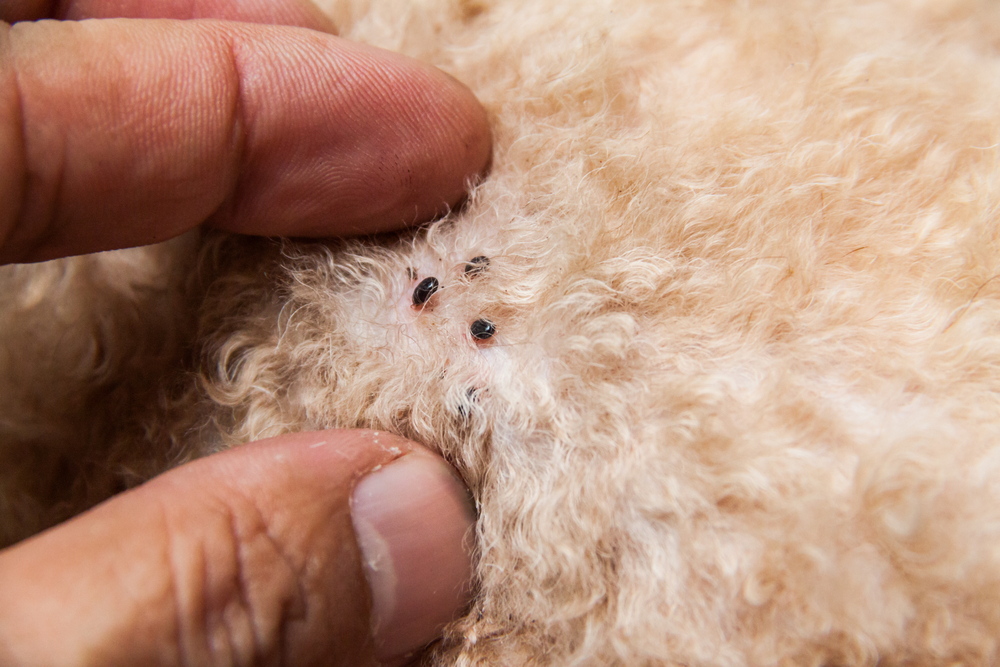
2. Ticks: Bloodsucking Disease Vectors
Ticks are arachnids that attach to your dog and feed on their blood. They transmit diseases like Lyme disease, ehrlichiosis, and Rocky Mountain spotted fever. They find hosts by sensing carbon dioxide, heat, and vibrations.
Signs of Ticks:
- A hard bump on the skin
- Scratching or chewing at the site of the tick bite
- Inflammation or redness around the bite
- Head shaking or tilting (if the tick is in the ear)
Home-Care Hacks: After walks in wooded areas, thoroughly check your dog for ticks. Use tweezers or a tick-removal tool to carefully remove any attached ticks. Disinfect the bite area with antiseptic.
The Red Flag Checklist: If your dog develops a fever, lethargy, joint pain, or lameness after a tick bite, see your veterinarian immediately. These signs could indicate a tick-borne disease.
3. Ear Mites: The Itchy Ear Culprits
Ear mites are tiny parasites that live in the ear canals of dogs. They cause inflammation and intense itching. They feed on ear wax and skin oils, causing irritation and secondary infections. What I tell my own clients is that these are very common in puppies, especially those from shelters or breeders.
Signs of Ear Mites:
- Ear irritation and head shaking
- Dark, waxy discharge from the ear
- Crusted-over rash in or around the ear
- Hair loss from excessive scratching
- Aural hematoma (blood blister) on the ear
Home-Care Hacks: Gently clean your dog's ears with a veterinarian-approved ear cleaner. Avoid using cotton swabs, as they can push debris further into the ear canal.
The Red Flag Checklist: If your dog's ear discharge is bloody, foul-smelling, or if they have a painful or swollen ear, seek veterinary attention. Secondary bacterial or fungal infections are common with ear mites.
Why Does My Dog Have Diarrhea? Recognizing Internal Parasites
Internal parasites like hookworms, whipworms, roundworms, tapeworms, and heartworms can cause a range of symptoms, from diarrhea to life-threatening heart failure. They affect nutrient absorption and cause inflammation in the intestines. A fecal exam performed by your veterinarian is the gold standard for diagnosis.
1. Hookworms: The Bloodsuckers of the Intestines
Hookworms are intestinal parasites that attach to the lining of the small intestine and feed on blood. They cause anemia, especially in puppies. The larvae can penetrate the skin, causing skin irritation and secondary infections.
Signs of Hookworms:
- Pale gums (due to anemia)
- Diarrhea (often bloody or black)
- Coughing (if larvae migrate to the lungs)
- Weight loss
- Skin irritation and itching, especially around the paws
- Dull and dry coat
- Death (in severe cases, especially in puppies)
Home-Care Hacks: Maintain a clean environment. Promptly remove feces from your yard to prevent the spread of hookworm eggs.
The Red Flag Checklist: If your dog has bloody diarrhea, pale gums, or is weak and lethargic, seek immediate veterinary attention. Hookworm anemia can be fatal, especially in puppies.
2. Whipworms: The Cecal Irritants
Whipworms are intestinal parasites that live in the cecum and colon. They cause inflammation and irritation, leading to diarrhea and weight loss. They burrow into the intestinal lining, causing bleeding and inflammation.
Signs of Whipworms:
- Diarrhea (often with mucus and blood)
- Weight loss
- Dehydration
- Death (in severe cases)
Home-Care Hacks: Practice good hygiene. Wash your hands thoroughly after handling dog feces.
The Red Flag Checklist: If your dog has chronic diarrhea that is not responding to treatment, consider whipworms as a possible cause. Fecal tests are essential for diagnosis.
3. Roundworms: The Pot-Bellied Worms
Roundworms are intestinal parasites that are common in puppies and adult dogs. They cause a pot-bellied appearance, vomiting, and diarrhea. They compete with the dog for nutrients, leading to malnutrition and stunted growth in puppies.
Signs of Roundworms:
- Coughing (if larvae migrate to the lungs)
- Vomiting (adult worms may be visible)
- Diarrhea (adult worms may be visible)
- Failure to gain weight in puppies
- Pot-bellied appearance
- Death (in severe cases)
Home-Care Hacks: Keep your dog's environment clean. Prevent them from ingesting feces or contaminated soil.
The Red Flag Checklist: If your puppy is not gaining weight, has a pot-bellied appearance, and is vomiting or having diarrhea, seek veterinary attention. Roundworm infections can be debilitating in young animals.
4. Tapeworms: The Segmented Intruders
Tapeworms are intestinal parasites that are transmitted by fleas or by ingesting infected rodents. They cause itching around the anus and visible segments in the feces. These segments contain tapeworm eggs and can be seen crawling around the anus or in the dog's bedding.
Signs of Tapeworms:
- Scooting or dragging the hindquarters to relieve itching
- Segments of tapeworm visibly seen around the anus or in feces
- Segments found in bedding (may be moving or dried out)
Home-Care Hacks: Control fleas in your dog's environment. Prevent your dog from hunting rodents.
The Red Flag Checklist: If you see tapeworm segments in your dog's feces, consult your veterinarian for deworming medication. Flea control is essential to prevent reinfection.
5. Heartworms: The Silent Killers
Heartworms are parasites that live in the heart, lungs, and blood vessels. They cause heart failure, lung damage, and death. Mosquitoes transmit heartworms. Microfilariae (larvae) enter the bloodstream during a mosquito bite and migrate to the heart and lungs, where they mature into adult worms.
Signs of Heartworms:
- Lethargy
- Exercise intolerance
- Difficulty breathing
- Swollen belly from fluid retention
- Coughing
- Decreased appetite
- Weight loss
- Collapse
- Pale gums
- Discolored urine
- Death
Home-Care Hacks: Use mosquito repellent around your home. Eliminate standing water, where mosquitoes breed.
The Red Flag Checklist: If your dog has any signs of heart disease, such as coughing, difficulty breathing, or exercise intolerance, see your veterinarian immediately. Heartworm disease is often fatal if left untreated.
How Can I Prevent My Dog From Getting Parasites?
Prevention is the best medicine when it comes to parasites. Year-round parasite prevention is mission-critical for protecting your dog's health. Preventatives work by killing parasites or preventing them from reproducing.
- Use veterinarian-approved parasite preventatives year-round.
- Remove feces from your yard regularly.
- Wash your hands after handling dog feces.
- Control rodents in your yard.
- Prevent your dog from hunting wildlife.
- Remove standing water to prevent mosquito breeding.
- Keep your yard mowed and free of overgrown areas.
- Check your dog regularly for signs of parasites.
- Keep all pets in the household on parasite prevention.
- Ask your veterinarian about regular fecal tests.
Zoonotic Diseases: Can My Dog's Parasites Affect Me?
Zoonotic diseases are diseases that can be transmitted from animals to humans. Some parasites that affect dogs can also affect humans. Children are particularly vulnerable to zoonotic diseases.
Roundworm and hookworm larvae can migrate through human tissues, causing visceral larva migrans and cutaneous larva migrans. Fleas and ticks can transmit diseases like Lyme disease, Rocky Mountain spotted fever, and tapeworm.
Conclusion: Keeping Your Dog Parasite-Free
Parasites are a common problem in dogs, but they can be prevented with regular preventative medication and good hygiene. See your veterinarian regularly for checkups and fecal tests. By taking these steps, you can keep your dog healthy and parasite-free.