

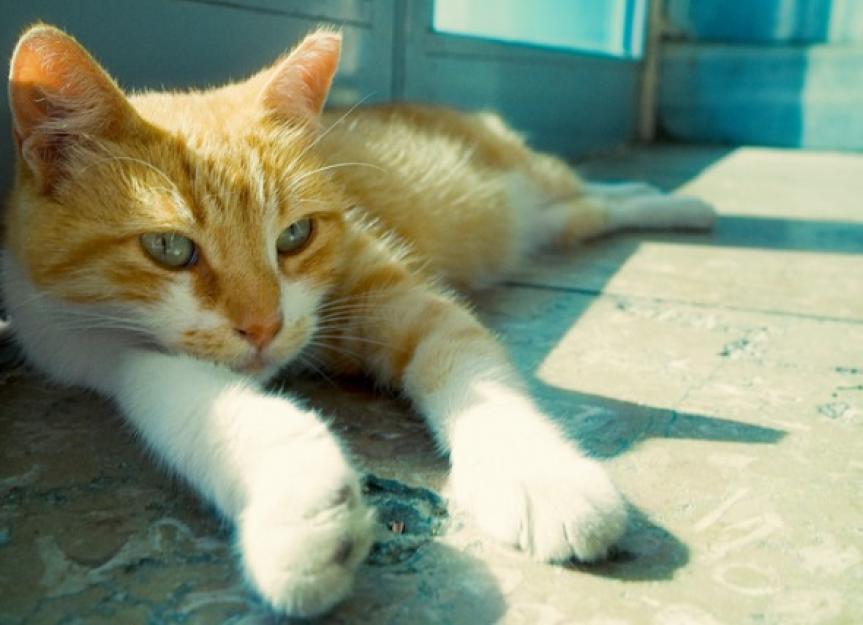
From Alley to Affectionate: Can You Really Turn a Stray Cat into a Stray Cat into a House Cat?
Here's a cold dose of reality from the exam room: that cute stray you're eyeing? It might be a feral cat in disguise, and attempting to domesticate a truly feral cat is often a recipe for stress, scratched furniture, and potential health nightmares. The success rate is honestly low, and the cat's welfare should be the priority.
For Busy Owners: Yes, a stray cat *can* become a pet, but it's not always simple. Distinguish between a stray (socialized) and feral (unsocialized) cat first. Health and behavioral challenges are common, so proceed with caution and veterinary guidance.
Stray vs. Feral: Decoding Cat Behavior and Improving Cat Socialization
Distinguishing between a stray and feral cat is mission-critical for successful integration into your home. Stray cats typically exhibit some level of socialization with humans, perhaps having been lost or abandoned. Feral cats, on the other hand, have had minimal to no positive human interaction, often stemming from being born in the wild. This lack of early socialization profoundly impacts their stress response; their hypothalamic-pituitary-adrenal (HPA) axis is highly reactive, leading to chronic anxiety in domestic settings.
Why is My Dog Suddenly Pacing at 2 AM? Understanding Feline Cognitive Dysfunction
That pacing at 2 AM? It might be more than just nighttime zoomies. Feline Cognitive Dysfunction (FCD), or cat dementia, can manifest as disorientation, altered sleep-wake cycles, and increased anxiety, especially in older cats. Just like in humans with Alzheimer's, beta-amyloid plaques accumulate in the brain, disrupting neuronal function and leading to these behavioral changes. The resulting sleep disturbances disrupt the release of melatonin, further exacerbating the issue. Honestly, it's heartbreaking to watch.
The Clinical Perspective (Biological ‘Why’)
The underlying biology of FCD is complex. Beyond beta-amyloid plaques, reduced levels of dopamine and serotonin contribute to cognitive decline. Telomere shortening, a marker of cellular aging, is also implicated. These factors combined lead to neuronal damage and impaired communication between brain regions, resulting in the observed behavioral changes. I tell my clients that it's like their cat's brain is slowly rewiring itself, and not in a good way.
Home-Care Hacks (Low-Cost, Practical Tips)
- Nightlights: Provide dim nightlights to help your cat navigate in the dark and reduce disorientation.
- Consistent Routine: Maintain a predictable daily schedule for feeding, playtime, and rest. This minimizes stress and provides a sense of security.
- Puzzle Feeders: Keep your cat mentally stimulated with puzzle feeders to slow cognitive decline.
- Safe Spaces: Ensure easy access to quiet, comfortable resting spots where your cat feels secure.
The Red Flag Checklist (When to Panic vs. When to Wait)
- Severe Disorientation: If your cat is consistently getting lost or bumping into objects, seek immediate veterinary attention.
- Loss of Appetite: A sudden or prolonged decrease in appetite warrants a vet visit, as it could indicate underlying medical issues.
- Changes in Litter Box Habits: Incontinence or avoidance of the litter box can be a sign of FCD or other health problems.
- Increased Vocalization: Excessive meowing, especially at night, can indicate anxiety or disorientation.
Is it Cruel to Keep a Feral Cat Outside? Weighing Quality of Life and Cat Behavior Problems
The question of whether it's cruel to keep a feral cat outdoors is a complex ethical consideration. While a warm, safe home seems ideal, forcing a truly feral cat into a domestic environment can cause immense stress and suffering. Their inherent fear of humans and confinement can lead to chronic anxiety, suppressed immune function, and behavioral problems like aggression or self-harm. The chronic elevation of cortisol, the stress hormone, can have devastating long-term effects.
The Clinical Perspective (Biological ‘Why’)
A feral cat's brain is wired differently. Their amygdala, the brain region responsible for processing fear, is highly sensitive. Confining them triggers a constant state of fight-or-flight, leading to physiological changes like increased heart rate, elevated blood pressure, and suppressed digestive function. These chronic stress responses can shorten their lifespan and significantly reduce their quality of life. Honestly, it’s a question of understanding their fundamental needs.
Home-Care Hacks (Low-Cost, Practical Tips)
- Provide Shelter: Offer a weatherproof shelter outside, such as an insulated cat house, to protect them from the elements.
- Consistent Feeding: Establish a regular feeding schedule and location to build trust and provide a reliable food source.
- Monitor Health: Observe the cat for signs of illness or injury and provide veterinary care as needed.
- Trap-Neuter-Return (TNR): Participate in a TNR program to prevent further breeding and reduce the feral cat population.
The Red Flag Checklist (When to Panic vs. When to Wait)
- Visible Injuries: Any signs of trauma, such as limping, bleeding, or open wounds, require immediate veterinary attention.
- Respiratory Distress: Difficulty breathing, coughing, or sneezing can indicate a serious respiratory infection.
- Lethargy: A sudden decrease in activity level or a lack of interest in food can be a sign of illness.
- Changes in Behavior: Increased aggression, hiding, or vocalization can indicate underlying pain or distress.
What are the Best First Steps for Adopting a Stray Cat and Introducing Cats?
Adopting a stray cat requires a thoughtful and gradual approach to ensure a smooth transition for both the cat and your existing pets. The initial days are mission-critical in establishing trust and creating a safe environment. This involves quarantine, veterinary care, and slow introductions. The goal is to minimize stress and allow the cat to acclimate at its own pace. I always tell my clients that patience is key.
The Clinical Perspective (Biological ‘Why’)
When a stray cat enters a new environment, it experiences a surge of stress hormones, including cortisol and adrenaline. These hormones affect the cat's immune system, making it more susceptible to infections. Gradual introductions allow the cat's HPA axis to slowly adjust, reducing stress and promoting a sense of security. Pheromone diffusers, mimicking feline facial pheromones, can also help to create a calming environment.
Home-Care Hacks (Low-Cost, Practical Tips)
- Quarantine: Isolate the new cat in a separate room with its own food, water, litter box, and scratching post.
- Scent Exchange: Swap bedding or toys between the new cat and your existing pets to introduce their scents gradually.
- Controlled Introductions: Allow brief, supervised interactions through a closed door or in a carrier.
- Positive Reinforcement: Reward calm behavior with treats and praise during interactions.
The Red Flag Checklist (When to Panic vs. When to Wait)
- Aggression: Hissing, swatting, or biting during introductions requires immediate separation and professional guidance.
- Hiding: If the cat refuses to come out of hiding for extended periods, it may be overwhelmed and require more time to adjust.
- Loss of Appetite: A sudden decrease in appetite can indicate stress or illness.
- Changes in Litter Box Habits: Avoidance of the litter box can be a sign of anxiety or medical issues.