

Is Your Furry Friend Slowing Down?
Seeing your pet struggle with stiff joints? It's heartbreaking, I know. You're not alone. Arthritis is a common problem, especially as our furry companions get older. Finding ways to ease their pain is mission-critical. Let's explore some natural options that can make a real difference.
Understanding Arthritis in Pets
Arthritis, or osteoarthritis, is joint inflammation. It causes pain, stiffness, and reduced mobility. The cartilage that cushions the joints wears down. Bone-on-bone contact? Not good. I see it all the time in the exam room.
Common Signs:
- Limping or stiffness.
- Difficulty getting up or down.
- Hesitation to jump or climb stairs.
- Changes in behavior (irritability).
- Decreased activity levels.
Natural Remedies: A Ray of Hope
Okay, let's get into the good stuff. Natural remedies can offer significant relief. They often work best alongside traditional veterinary care. Don't ditch your vet!
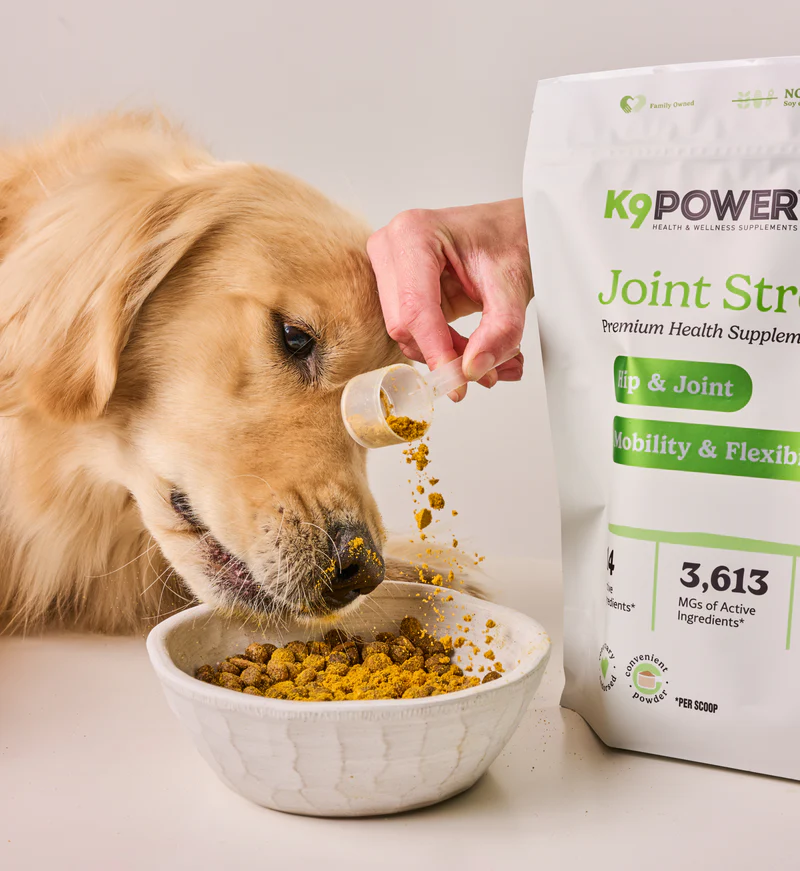
Supplements for Joint Health
- Glucosamine and Chondroitin: These are building blocks of cartilage. They help repair and protect joints. Dosage is key – talk to your vet.
- Omega-3 Fatty Acids: Found in fish oil, they reduce inflammation. They can ease joint pain. Plus, shiny coat!
- Turmeric (Curcumin): A powerful anti-inflammatory. Use a pet-specific formulation for best absorption.
- MSM (Methylsulfonylmethane): Another anti-inflammatory. It can help reduce pain and swelling.
Dietary Changes: Food as Medicine
What they eat matters. A lot.
- Weight Management: Excess weight puts extra stress on joints. Keep your pet at a healthy weight.
- Anti-Inflammatory Diet: Consider a diet rich in antioxidants. Blueberries, kale, and other colorful veggies can help.
Other Natural Therapies
- Acupuncture: Can stimulate the body's natural healing processes. Find a certified veterinary acupuncturist.
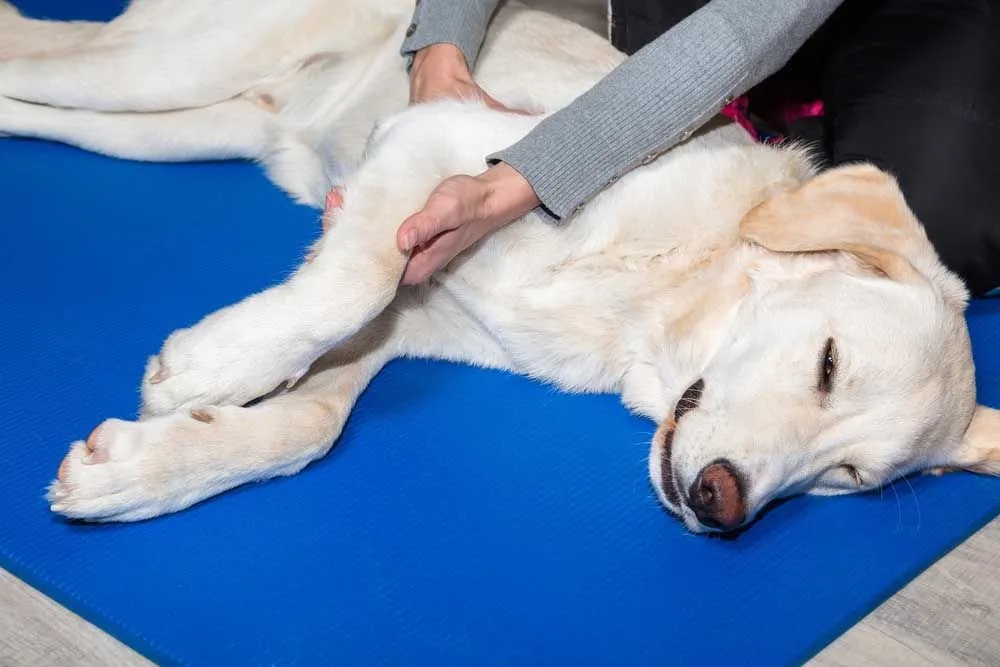
- Massage Therapy: Improves circulation and reduces muscle tension. Learn basic techniques or see a professional.
- Hydrotherapy: Water exercise is gentle on joints. Swimming or underwater treadmills can be beneficial.
The Expert's Corner: Real-World Vet Advice
Pro-Tip: Start slow. Introduce one remedy at a time. Monitor your pet's response closely. Watch for any adverse reactions. And please, communicate everything with your veterinarian. They need to know.
Vet’s Perspective: I’ve seen many pets benefit from a combination of natural remedies and conventional medicine. It's about finding what works best for *your* pet. One size does NOT fit all. Remember that.
When to See a Vet: Don't Delay
If your pet's pain is severe or worsening, see a vet ASAP. Natural remedies aren't a substitute for proper diagnosis and treatment. Ataxia? Get to the clinic. Borborygmi coupled with lethargy? Call us.