

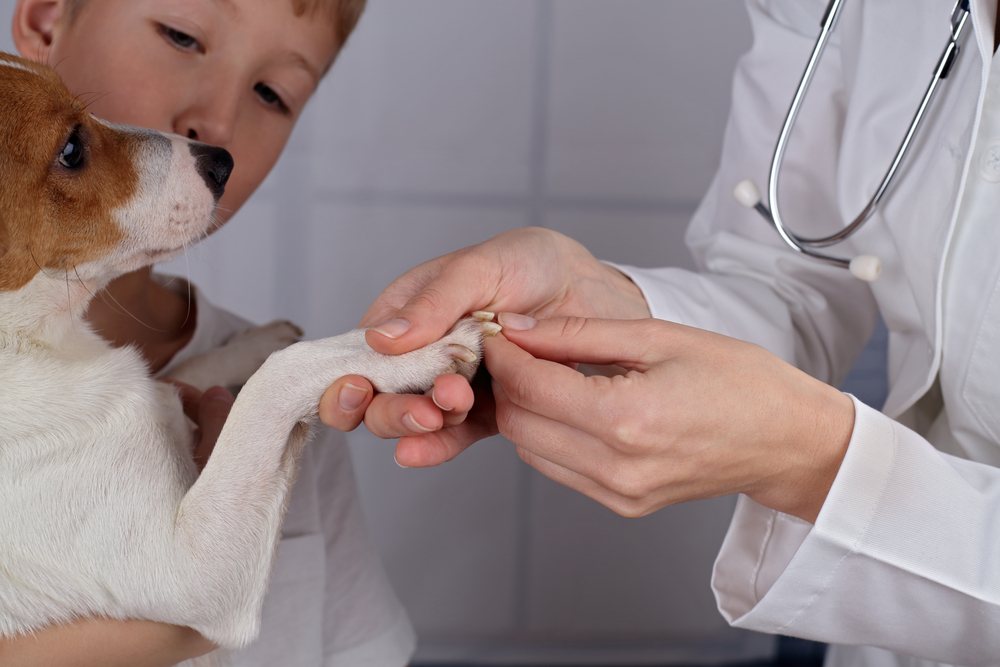
Dog's Toenail Fell Off? Vet-Approved Home Care & Prevention Tips
Here’s a weird fact I tell my clients in the exam room: A dog's toenails don't just spontaneously fall off like leaves in autumn. If one of your dog's nails has detached, *something* caused it. Maybe it's trauma, maybe it's infection, or maybe (rarely) it's an immune problem. Either way, ignoring it is a bad move.
For Busy Owners: If your dog's toenail falls off, clean the area and stop any bleeding. Then, take your dog to the veterinarian to determine the underlying cause, to get pain relief, and to prevent infection. With proper care, the nail should regrow, but addressing the root issue is mission-critical.
Why Are My Dog's Toenails Falling Off, Breaking, or Splitting?
Several factors can lead to a dog's toenails becoming damaged and eventually falling off. The most common cause is physical trauma. This might involve snagging the nail on something or landing awkwardly. Less commonly, underlying health issues like infections or immune-mediated diseases can weaken the nail structure, predisposing the nails to breakage and loss.
The Clinical Perspective: Let's talk biology. Trauma leads to direct physical damage to the nail matrix, the area responsible for nail growth. Infections, whether fungal or bacterial, can invade the nail bed, disrupting keratin production. Keratin is the main protein that makes up the nail. Immune-mediated diseases, like symmetric lupoid onychodystrophy (SLO), cause the body to attack its own nail matrix, leading to misshapen, brittle nails that are prone to falling off. This immune attack often involves the deposition of immune complexes and inflammatory cytokines within the nail bed, leading to destruction of the nail-producing cells.
Common Causes of Dog Toenail Problems
- Trauma: Snagging a nail on carpet, furniture, or outdoor surfaces. This is probably the most common thing I see in the exam room.
- Brittle Nails: Age-related changes can lead to weakened nails. Older dogs often experience decreased circulation to the extremities, which can compromise nail health. This reduced blood flow impairs the delivery of essential nutrients and oxygen to the nail matrix, leading to slower growth and increased brittleness.
- Infections: Fungal or bacterial infections weakening the nail structure. Fungal infections, such as dermatophytosis (ringworm), can directly invade the nail plate, causing it to become thickened, discolored, and crumbly. Bacterial infections, often secondary to trauma or other underlying conditions, can lead to inflammation and weakening of the nail bed, predisposing the nail to breakage and loss.
- Immune-Mediated Disease (SLO): The body attacks the nail matrix, resulting in brittle, misshapen nails. SLO is characterized by an abnormal immune response that targets the cells responsible for nail production. This autoimmune attack leads to inflammation and destruction of the nail matrix, resulting in the formation of structurally unsound nails that are prone to splitting, cracking, and eventually falling off.
- Nutrient Deficiencies: Inadequate nutrition can affect nail health. Deficiencies in essential nutrients, such as biotin, zinc, and omega-3 fatty acids, can impair keratin synthesis and compromise the structural integrity of the nails. Biotin, a B-vitamin, plays a crucial role in keratin production, while zinc is essential for cell growth and differentiation. Omega-3 fatty acids help to maintain the moisture content and flexibility of the nails, preventing them from becoming dry and brittle.
Why Is a Broken or Missing Toenail a Problem for My Dog?
A broken or missing toenail is a problem because it exposes the sensitive quick, which contains blood vessels and nerves. This exposure can cause significant pain and increase the risk of infection. Because the inner nail is directly connected to bone, a deep infection can actually spread from the nail bed into the bone itself (osteomyelitis).
The Clinical Perspective: The quick is highly vascularized and innervated, meaning it contains numerous blood vessels and nerve endings. When the protective keratin layer of the nail is compromised, these sensitive structures are exposed to external stimuli, such as air, pressure, and microorganisms. This exposure triggers a cascade of inflammatory responses, leading to pain, swelling, and redness. The pain signals are transmitted via sensory nerves to the brain, resulting in discomfort and lameness. Moreover, the exposed quick provides a portal of entry for bacteria and fungi, increasing the risk of secondary infections. These infections can further exacerbate the inflammatory response and delay the healing process.
Signs Your Dog Is In Pain
- Limping: Obvious favoring of the affected paw.
- Excessive Licking: Constant licking or chewing at the paw. This can introduce even more bacteria, honestly.
- Whining or Crying: Vocalization indicating pain.
- Reluctance to Walk: Hesitation or refusal to put weight on the paw.
- Swelling or Redness: Inflammation around the nail bed.
What Should I Do If My Dog's Toenail Breaks, Splits, or Falls Off?
If your dog's toenail breaks, splits, or falls off, the first step is to assess the situation and control any bleeding. Clean the area with a mild antiseptic solution, and then protect the paw to prevent further injury or contamination. Contact your veterinarian for further guidance and treatment options, as pain relief and antibiotics may be necessary.
The Clinical Perspective: Controlling bleeding is a priority. The blood vessels in the quick can bleed profusely, leading to significant blood loss if not addressed promptly. Applying direct pressure with a clean cloth or gauze is usually effective in stopping the bleeding. In some cases, a styptic pencil or powder may be needed to constrict the blood vessels and promote clotting. Cleaning the area with an antiseptic solution, such as diluted chlorhexidine or povidone-iodine, helps to reduce the risk of infection by killing bacteria and fungi. Protecting the paw with a bandage or boot prevents further trauma and contamination while the nail bed heals.
Immediate First Aid Steps
- Restrain Your Dog: Use a muzzle if necessary to prevent biting.
- Control Bleeding: Apply pressure with a clean cloth or styptic powder.
- Clean the Area: Wash the paw with a mild antiseptic solution.
- Protect the Paw: Bandage the paw or use a protective boot.
- Contact Your Vet: Seek professional veterinary advice.
Home-Care Hacks
- Epsom Salt Soaks: Soak the paw in warm water with Epsom salts to reduce inflammation.
- Honey Application: Apply a thin layer of honey (which has antibacterial properties) to the wound.
- Sock Protection: Use a clean sock to protect the paw indoors.
The Red Flag Checklist
- Uncontrolled Bleeding: Bleeding that doesn't stop after 10 minutes of pressure.
- Severe Pain: Excessive whining, crying, or aggression.
- Signs of Infection: Pus, swelling, redness, or foul odor.
- Fever: Elevated body temperature (over 102.5°F).
- Lethargy: Decreased energy and responsiveness.
Will My Dog's Toenail Regrow After It Falls Off?
Yes, a dog's toenail will typically regrow after it falls off, but the regrowth process takes time. The duration depends on the extent of the damage to the nail matrix and the overall health of the dog. With proper care and protection, you can expect to see significant regrowth within a few weeks to months.
The Clinical Perspective: Toenail regrowth is dependent on the health and function of the nail matrix. The nail matrix contains specialized cells called keratinocytes, which produce keratin, the main structural protein of the nail. When the nail matrix is damaged, it can take time for these cells to regenerate and resume normal keratin production. Factors such as age, nutrition, and underlying health conditions can also influence the rate of nail regrowth. Older dogs or those with compromised immune systems may experience slower nail regrowth compared to younger, healthier dogs. Additionally, adequate nutrition, particularly protein, vitamins, and minerals, is essential for supporting keratin synthesis and promoting healthy nail growth.
How to Support Regrowth
- Protect the Paw: Keep the area clean and bandaged.
- Provide Proper Nutrition: Feed a balanced diet rich in protein and essential nutrients.
- Consider Supplements: Biotin and omega-3 fatty acids can support nail health.
- Follow Vet's Instructions: Adhere to any prescribed medications or treatments.
How Can I Keep My Dog's Nails Healthy and Strong to Prevent Future Problems?
Preventing toenail issues involves regular nail trimming, proper nutrition, and routine paw checks. Keeping your dog's nails trimmed prevents them from snagging and breaking. A balanced diet supports overall nail health, and regular paw checks allow you to catch any potential problems early.
The Clinical Perspective: Regular nail trimming is crucial for maintaining healthy toenails. Overgrown nails are more prone to splitting, cracking, and snagging on surfaces, increasing the risk of trauma and infection. When trimming your dog's nails, it's important to avoid cutting into the quick, as this can cause pain and bleeding. Using sharp, high-quality nail clippers and trimming small amounts at a time can help to minimize the risk of injury. Proper nutrition is also essential for supporting nail health. A balanced diet that is rich in protein, vitamins, and minerals provides the building blocks for keratin synthesis and promotes healthy nail growth. Routine paw checks allow you to identify any potential problems early, such as inflammation, swelling, or discharge. Early detection and treatment of these issues can help to prevent more serious complications and maintain the overall health of your dog's paws.
Prevention Strategies
- Regular Trimming: Keep nails short to prevent snags.
- Proper Nutrition: Feed a balanced diet.
- Paw Checks: Inspect paws regularly for any abnormalities.
- Avoid Rough Surfaces: Limit exposure to abrasive surfaces that can wear down nails.