

Dog's Chapped Nose? 7 Vet-Approved Reasons & Relief Tips
Here's a truth bomb from the exam room: a constantly wet nose on a dog is NOT necessarily a sign of perfect health, and a dry nose isn't an automatic emergency. Sometimes, those assumptions can delay finding the real problem. A chapped nose, however, *is* a problem.
Busy Owner Summary: A chapped dog nose can signal dehydration, sunburn, allergies, or even autoimmune issues. Simple fixes like nose balm or increased water intake often help. But, persistent chapping warrants a vet visit to rule out underlying conditions.
Why is My Dog's Nose Chapped? Decoding the Causes
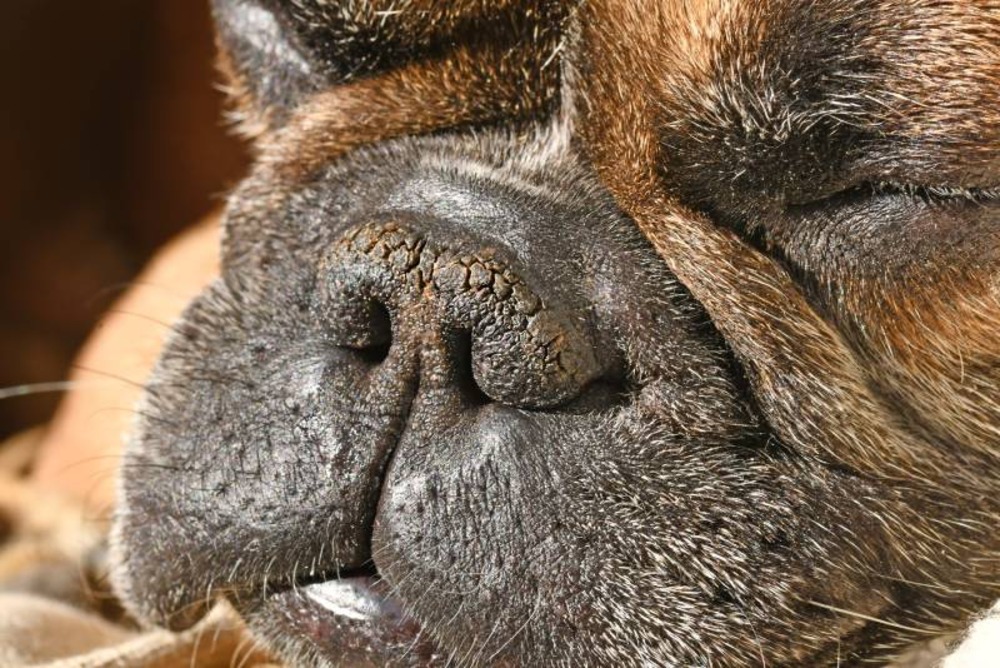
A chapped nose on your dog is characterized by dryness, cracking, and sometimes even bleeding. This isn't just a cosmetic issue; it can be a sign of underlying problems ranging from simple dehydration to more serious health conditions requiring veterinary attention. The key is to observe your dog for other symptoms.
1. Dehydration: A Serious Cause of Dog Nose Dryness
Dehydration is a mission-critical concern. When a dog is dehydrated, their body shunts water to essential organs, leaving less for peripheral tissues like the nasal planum (the fancy vet term for the tip of the nose). Look for other signs like vomiting, lethargy, and dry gums. Dehydration impacts cellular function, disrupting electrolyte balance and hindering nutrient transport at the cellular level. Quick action is crucial.
Home-Care Hack: Gently pinch the skin on your dog's back. If it doesn't snap back immediately, that's a sign of decreased skin turgor, suggesting dehydration. Offer small amounts of water frequently. Adding unflavored Pedialyte can help replenish electrolytes.
Red Flag Checklist: If your dog is vomiting, has diarrhea, is lethargic, or refuses to drink, get to the vet *immediately*. Dehydration can quickly become life-threatening.
2. Sunburn and Windburn: Protecting Your Dog's Nose From the Elements
Just like us, dogs can get sunburned. Dogs with light-colored noses and thin fur are particularly vulnerable. Overexposure to UV rays damages the DNA in skin cells, leading to inflammation and chapping. Windburn strips the nose of its natural oils, causing dryness and cracking. The squamous epithelium becomes damaged. I advise clients to protect their dog’s nose just like they protect their own skin.
Home-Care Hack: Apply a dog-specific sunscreen to your dog's nose 15-30 minutes before sun exposure. Reapply every two hours, especially if your dog is swimming or licking their nose. For windburn, a thick nose balm creates a protective barrier.
Red Flag Checklist: If your dog's nose has blisters, open sores, or significant swelling after sun exposure, see a vet. These could be signs of a more severe burn or even the development of cancerous lesions.
3. Age-Related Changes: How Seniority Impacts Dog Nose Moisture
As dogs age, their bodies change. The production of lubricating secretions may decrease, leading to a drier nose. Telomere shortening and decreased IGF-1 levels can contribute to reduced cellular turnover and repair in the nasal tissues. Older dogs may also be less efficient at grooming, further contributing to dryness. I explain to owners that this is part of the aging process and that we can manage but not reverse it.
Home-Care Hack: Regularly apply a moisturizing nose balm. Choose one specifically formulated for dogs, as human products may contain ingredients that are harmful if ingested. Consistency is key.
Red Flag Checklist: If the dryness is accompanied by nasal discharge, bleeding, or changes in the nose's appearance, consult a vet. These could indicate an underlying health issue that needs attention.
4. Breed Predisposition and Body Conformation: Why Some Dogs Are More Prone to Dry Noses
Brachycephalic breeds (like Pugs and Bulldogs) have shortened snouts, making it physically difficult for them to lick their noses and keep them moist. This conformation predisposes them to dryness and chapping. Certain breeds are also genetically predisposed to conditions like nasal hyperkeratosis, which causes a buildup of keratin on the nose, leading to crusting and cracking. In these breeds, the nasal turbinates may also be abnormally shaped. Honestly, I see this all the time in the clinic.
Home-Care Hack: Regularly clean your dog's facial folds (if applicable) to prevent the buildup of moisture and bacteria. Apply nose balm frequently, especially in dry environments.
Red Flag Checklist: If you notice thick crusts, fissures, or bleeding on your dog's nose, see a vet. These could indicate hyperkeratosis or other skin conditions that require treatment.
5. Allergies: Identifying Environmental and Food Triggers for Dog Nose Issues
Allergies are a frequent cause of skin problems in dogs, and the nose is no exception. Allergic reactions trigger the release of histamine and other inflammatory mediators, leading to pruritus (itching) and inflammation. This can disrupt the normal skin barrier function, resulting in dryness and chapping. Both environmental allergens (pollen, dust mites) and food allergens can be culprits. The immune system goes haywire.
Home-Care Hack: Identify and eliminate potential allergens from your dog's environment. Use hypoallergenic shampoos and avoid harsh cleaning products. Consider a limited-ingredient diet to rule out food allergies.
Red Flag Checklist: If your dog has other allergy symptoms (itching, scratching, ear infections) along with a chapped nose, consult a vet. Allergy testing and treatment may be necessary.
6. Underlying Health Conditions: When a Chapped Nose Signals Something More Serious
In some cases, a chapped nose can be a sign of an underlying health condition. Autoimmune diseases like discoid lupus erythematosus (DLE) and pemphigus can affect the skin, causing crusting, scaling, and chapping on the nose. Squamous cell carcinoma, a type of skin cancer, can also manifest as a dry, cracked lesion on the nose. These conditions disrupt normal cellular function and immune regulation.
Home-Care Hack: There are *no* effective home-care hacks for these conditions. The best “hack” is to be vigilant and seek veterinary attention promptly.
Red Flag Checklist: If your dog's nose has any unusual lesions, growths, or changes in pigmentation, see a vet immediately. These could be signs of a serious health condition that requires diagnosis and treatment.
7. Autoimmune Diseases: Understanding Immune-Mediated Dog Nose Problems
Autoimmune diseases occur when the body's immune system mistakenly attacks its own tissues. Discoid lupus erythematosus (DLE) specifically targets the skin, often affecting the nose. This leads to inflammation, crusting, and loss of pigmentation. Pemphigus is another autoimmune disease that can cause blisters and erosions on the skin, including the nose. The immune system essentially wages war on healthy cells.
Home-Care Hack: Autoimmune diseases require veterinary management. However, minimizing stress and providing a balanced diet can help support your dog's overall health.
Red Flag Checklist: If your dog's nose has crusting, scaling, or loss of pigmentation, along with other symptoms like lethargy or joint pain, consult a vet. Autoimmune diseases require diagnosis and immunosuppressive therapy.
Are Dry Noses Normal for Dogs? The Truth About Dog Nose Moisture
The myth that a wet nose always equals a healthy dog is just that – a myth. A normal dog's nose should be slightly moist, but it's not a foolproof indicator of health. Environmental factors, activity levels, and breed can all influence nose moisture. The key is to pay attention to changes and other symptoms.
Conclusion: Taking Care of Your Dog's Nose
A chapped nose in dogs can stem from various causes, ranging from simple dehydration to serious underlying health conditions. While home remedies like nose balm and increased water intake can often provide relief, it's mission-critical to consult a vet if the problem persists or is accompanied by other concerning symptoms. Regular nose checks are a non-negotiable part of responsible pet ownership.