

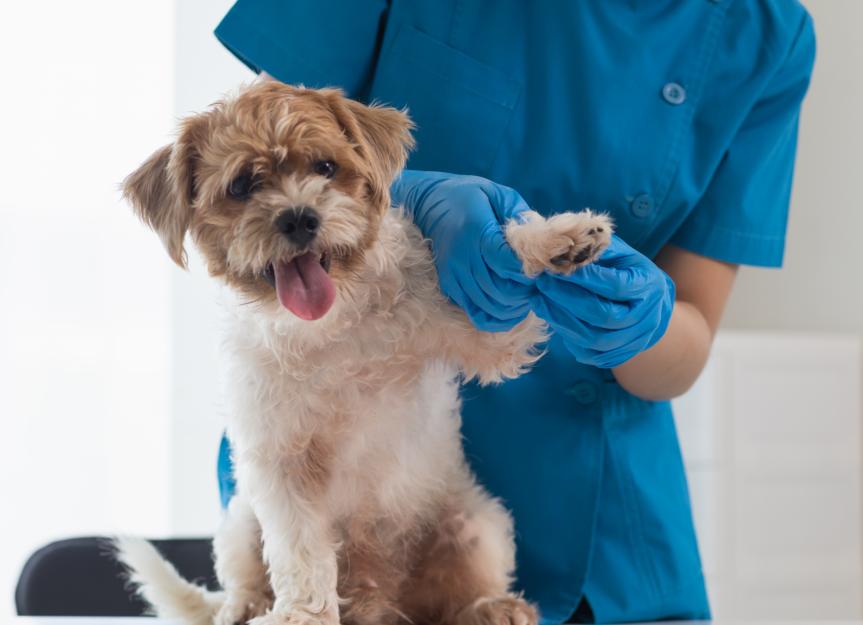
Dog Yeast Infections: Spotting, Treating, and Preventing the Itch
Here's a counter-intuitive fact from the trenches: that recurring ear infection you think is just a breed thing? It might actually be your dog's diet sabotaging their immune system., making them a prime target for yeast., and honestly? I see it all the time in the exam room.
For Busy Owners: Yeast infections in dogs are common, causing intense itching and skin changes. They're usually secondary to underlying issues like allergies or a weakened immune system. Prompt veterinary care is crucial to prevent discomfort and complications.
Why is My Dog So Itchy? Understanding Yeast Infections in Dogs
Is your dog exhibiting relentless scratching or a distinct odor? They may have a yeast infection. Yeast infections occur when Malassezia, a type of fungus naturally present on a dog's skin, overgrows due to a weakened immune system or underlying condition. It is mission-critical to address this overgrowth because unchecked it leads to intense pruritus (that's vet-speak for itching) and skin changes.
Think of it like this: your dog's skin has its own delicate microbiome. When something throws it off balance – allergies, certain medications that suppress the immune system, or even just consistently moist conditions – yeast seizes the opportunity to flourish. This overgrowth triggers inflammation and irritation, leading to the classic symptoms we see.
Types of Yeast Infections in Dogs: Ears, Paws, and Skin Folds
Yeast infections can manifest in various areas. The most common sites include the ears, skin (especially in folds), and paws. Each location presents with slightly different symptoms., so here's the deal:
- Ear Infections (Yeast Otitis): Characterized by a thick, brown discharge, a foul odor, and relentless scratching. Breeds with floppy ears, like Cocker Spaniels, are predisposed due to the warm, moist environment within the ear canal. We also see this in dogs with atopic dermatitis, where chronic inflammation disrupts the skin's barrier function.
- Skin Infections (Yeast Dermatitis): Look for a musty odor, greasy fur, flaky or thickened skin, and hair loss. Affected dogs will often lick and chew at the irritated areas, leading to brown discoloration of the skin. Certain areas, like skin folds (neck, armpits, groin), are particularly vulnerable due to reduced airflow and increased moisture.
- Paw Infections: Often linked to environmental allergies. Constant licking and chewing of the paws result in brown discoloration between the paw pads, redness, and even open sores. The paws become a breeding ground for yeast due to the constant moisture and trauma from chewing.
Dog Paw Yeast Infection: Why is My Dog Constantly Licking Their Paws?
If your dog is constantly licking or chewing at their paws, a yeast infection could be the culprit. This incessant licking creates a perpetually moist environment, which is the perfect breeding ground for Malassezia. The saliva itself can also contribute to the problem, as its enzymes can further irritate the skin.
I tell my clients to think of it as a vicious cycle: allergies trigger the initial itchiness, the dog licks, the licking creates a moist environment, yeast overgrows, the itchiness intensifies, and the dog licks even more. Addressing the underlying allergies is mission-critical to breaking this cycle.
Home-Care Hacks for Paw Yeast Infections
- Foot Soaks: Dilute povidone-iodine (Betadine) in warm water until it resembles weak tea. Soak your dog's paws for 5-10 minutes daily. This acts as a mild antiseptic and antifungal.
- Keep Paws Dry: After walks or outdoor activities, thoroughly dry your dog's paws, especially between the pads.
- Apple Cider Vinegar Rinse: Dilute apple cider vinegar (ACV) with water (50/50). After bathing, rinse your dog's paws with the ACV solution. ACV has antifungal properties, but be cautious if your dog has open sores.
Dog Ear Yeast Infection: Why Does My Dog's Ear Smell So Bad?
A foul odor emanating from your dog's ears is a telltale sign of a yeast infection. This odor is a byproduct of the yeast multiplying and releasing metabolic waste products. Simultaneously, the ear canal becomes inflamed and irritated, leading to increased wax production and further exacerbating the problem.
The underlying biological mechanisms are complex, but here's the gist: inflammation triggers the release of cytokines, which are signaling molecules that amplify the inflammatory response. This leads to vasodilation (widening of blood vessels), increased permeability of the blood vessels, and fluid leakage into the surrounding tissues. The result? A red, swollen, and intensely itchy ear canal.
The Clinical Perspective: Biological 'Why' of Yeast Infections
Yeast infections are almost always secondary to an underlying issue that compromises the skin's natural defenses. Allergies (food or environmental) are the most common culprit. When a dog is allergic to something, their immune system goes into overdrive, releasing histamine and other inflammatory mediators. This leads to pruritus (itching), which damages the skin's protective barrier and makes it vulnerable to opportunistic infections like yeast.
Other contributing factors include:
- Immunosuppression: Conditions like Cushing's disease or medications like corticosteroids can weaken the immune system and make dogs more susceptible to yeast infections.
- Endocrine Disorders: Hypothyroidism (underactive thyroid) can affect skin health and increase the risk of infections.
- Conformation: As mentioned earlier, breeds with floppy ears or deep skin folds are predisposed due to the warm, moist environment these areas create.
Red Flag Checklist: When is a Dog Yeast Infection an Emergency?
While yeast infections are not typically life-threatening, there are situations where prompt veterinary attention is non-negotiable:
- Severe Pain: If your dog is exhibiting signs of extreme discomfort, such as whimpering, reluctance to be touched, or aggression.
- Neurological Signs: Head tilt, circling, or loss of balance can indicate that the ear infection has spread to the inner ear or brain.
- Systemic Illness: Lethargy, loss of appetite, vomiting, or diarrhea can indicate a more serious underlying condition.
- Unresponsive to Treatment: If the infection is not improving after several days of treatment, it's time to re-evaluate the diagnosis and treatment plan.
How Do Vets Diagnose a Yeast Infection on a Dog?
Veterinarians employ several diagnostic techniques to confirm a yeast infection. The first step is a thorough physical exam and history taking. Then, we typically use cytology, where a sample from the affected area is examined under a microscope to identify yeast organisms. We might also perform a tape impression or skin scraping to collect a sample. In chronic or unresponsive cases, a skin biopsy may be necessary to rule out other conditions.
Dog Yeast Infection Treatment: What Medications Will My Vet Prescribe?
Treatment depends on the severity and location of the infection. Topical antifungal medications (creams, ointments, ear drops) are often sufficient for localized infections. For more widespread or severe cases, oral antifungal medications may be necessary. Medicated shampoos and wipes can also help to reduce yeast counts on the skin. It is also mission-critical to address the underlying cause of the infection, such as allergies or immunosuppression.