

Dog Has Whipworms? A Vet's Deep Dive into Symptoms, Treatment, and Prevention
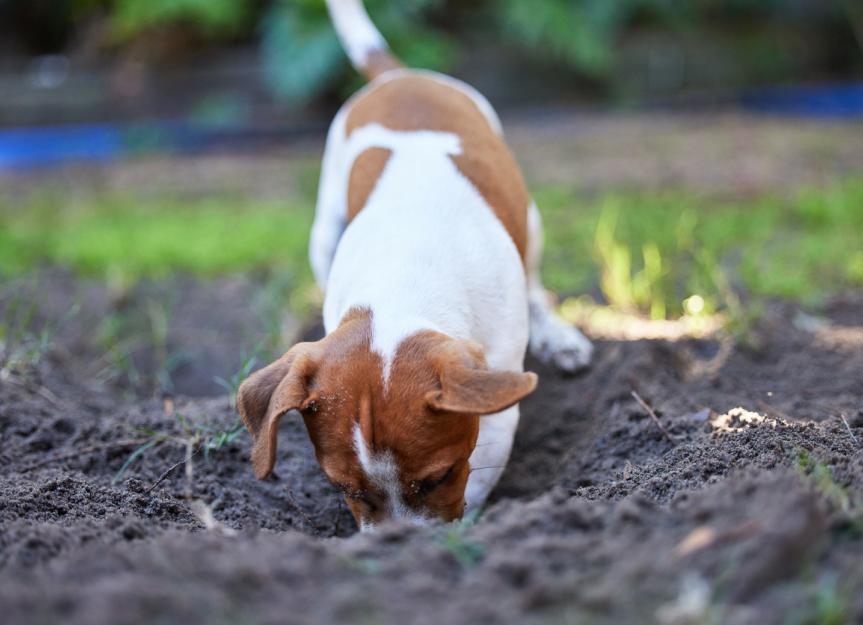
Here's a fact that might make you squirm: those pristine suburban lawns? They can be a hotbed for whipworm eggs, viable for years. So, even if your dog is a 'good boy' who avoids questionable snacks, he's still at risk. It's enough to make a vet reach for the strong coffee, honestly. Let's get you up to speed.
Busy Owner Summary: Whipworms are intestinal parasites causing diarrhea, weight loss, and sometimes anemia in dogs. Infection occurs by ingesting contaminated soil. Treatment involves specific deworming medications, often repeated to disrupt the parasite's life cycle.
Why is My Dog Suddenly Scooting and Losing Weight? Understanding Canine Whipworm Infections
If your dog is scooting, has chronic diarrhea, or seems to be losing weight despite eating, whipworms could be the culprit. Whipworms (Trichuris vulpis) are intestinal parasites that burrow into the lining of the cecum and colon. This causes inflammation and irritation.
The Clinical Perspective: Whipworms attach to the intestinal mucosa, causing physical damage and triggering an inflammatory response. This leads to impaired nutrient absorption and blood loss. In severe infections, the chronic inflammation can disrupt the gut microbiome, leading to long-term digestive issues. The worms feed on blood and tissue fluids, further contributing to anemia and weight loss. Telomere shortening occurs in the intestinal cells due to chronic inflammation, accelerating the aging process of the gut lining.
What are the Tell-Tale Signs & Symptoms of Whipworms in Dogs?
Many dogs with whipworm infections show no initial signs. However, as the worm burden increases, symptoms like chronic diarrhea (sometimes with blood or mucus), weight loss, dehydration, and anemia can develop. In severe cases, electrolyte imbalances can mimic Addison's disease.
The Clinical Perspective: The diarrhea associated with whipworms results from the parasite's physical damage to the intestinal lining and the subsequent inflammatory response. This inflammation disrupts the normal absorption of water and electrolytes, leading to dehydration and electrolyte imbalances. Anemia develops due to the worms feeding on blood. The electrolyte imbalances, specifically hyponatremia (low sodium) and hyperkalemia (high potassium), can disrupt cardiac function and neurological activity.
How Do Dogs Get Whipworms? The Causes of Canine Whipworm Infections
Dogs contract whipworms by ingesting infective eggs from contaminated soil. These eggs are incredibly resilient and can survive in the environment for years. Unlike some parasites, whipworms aren't transmitted through the placenta, breast milk, or intermediate hosts; ingestion is the primary route.
The Clinical Perspective: Whipworm eggs have a thick, protective shell that allows them to withstand harsh environmental conditions, including desiccation and temperature extremes. This resilience contributes to their long-term survival in the soil. Once ingested, the eggs hatch in the small intestine, releasing larvae that migrate to the cecum and colon. The larvae then burrow into the intestinal lining, completing their development into adult worms. The entire life cycle, from ingestion of eggs to the production of new eggs, takes approximately 70-90 days.
Fecal Exams and Antigen Tests: How are Whipworms in Dogs Diagnosed?
Veterinarians diagnose whipworms by examining fecal samples for the presence of characteristic football-shaped eggs with bipolar plugs. However, because whipworms shed eggs intermittently, a single negative fecal exam doesn't rule out infection. Antigen tests can detect whipworm proteins, even when eggs aren't being shed.
The Clinical Perspective: The intermittent shedding of whipworm eggs makes diagnosis challenging. Fecal flotation, a common diagnostic technique, relies on the eggs being less dense than the flotation solution, allowing them to rise to the surface for microscopic examination. However, whipworm eggs are relatively heavy, which can decrease their efficiency of detection. Antigen tests, on the other hand, detect the presence of whipworm-specific proteins, providing a more sensitive diagnostic tool, especially in cases where egg shedding is low or absent. What I tell my clients is that sometimes we have to test multiple times before we find those pesky eggs.
What is the Best Treatment for Whipworms in Dogs?
Treatment typically involves anthelmintic medications like fenbendazole, administered over a specific period to target the parasite's life cycle. Monthly heartworm preventatives containing milbemycin oxime or moxidectin can also treat and prevent whipworm infections. Because of the long life cycle, treatment is often repeated.
The Clinical Perspective: Fenbendazole disrupts the whipworm's energy metabolism by interfering with microtubule formation, a critical process for cell division and function. Milbemycin oxime and moxidectin are macrocyclic lactones that paralyze the parasite by interfering with nerve and muscle function. The repeated treatments are essential to kill any newly hatched larvae before they mature and begin laying eggs, breaking the parasite's life cycle. Resistance to certain dewormers is an increasing concern, so your veterinarian may recommend fecal testing after treatment to ensure efficacy.
Recovery and Prevention: Long-Term Management of Whipworm Infections in Dogs
Full recovery from whipworm infections typically takes about three months of consistent treatment and preventative measures. Monthly heartworm preventatives are crucial for preventing reinfection. If monthly preventatives aren't feasible, regular deworming (four times a year) with a broad-spectrum dewormer is recommended.
Home-Care Hacks:
- Strategic Poop Patrol: Immediately remove feces from your yard to minimize environmental contamination.
- Sunlight is Your Friend: Expose soil to sunlight whenever possible, as UV radiation can help kill whipworm eggs.
- Diatomaceous Earth (Maybe): Some owners sprinkle food-grade diatomaceous earth in areas where their dogs spend time. The evidence is anecdotal, but it may help dehydrate parasite eggs.
The Red Flag Checklist:
- Severe Bloody Diarrhea: This can indicate significant intestinal damage and requires immediate veterinary attention.
- Lethargy and Weakness: These signs can suggest anemia or severe dehydration.
- Unresponsive to Treatment: If your dog's symptoms don't improve after the prescribed treatment course, consult your veterinarian.
The Clinical Perspective: Prevention is always superior to treatment. Monthly preventatives containing milbemycin oxime or moxidectin not only prevent heartworms but also control whipworm infections. Regular fecal examinations are also essential for early detection and treatment. Maintaining a clean environment and practicing good hygiene can help minimize the risk of reinfection. In cases of recurrent infections, your veterinarian may recommend environmental decontamination measures, such as treating the soil with a disinfectant.
Whipworm in Dogs FAQs
Can you see whipworms in dog feces?
It is possible to see whipworms in your dog’s feces; however, they are not seen very often. They would look like thin pieces of thread.
How long does it take to get rid of whipworms in dogs?
It takes three months to get rid of whipworms in dogs.
Can humans get whipworms from dogs?
Humans are not able to catch whipworms from dogs.
Can whipworms spread from dog to dog?
Whipworms are not spread directly from dog to dog, but if your dog comes into an environment where another pet has released infective eggs (in their feces), then your dog can potentially become infected.