

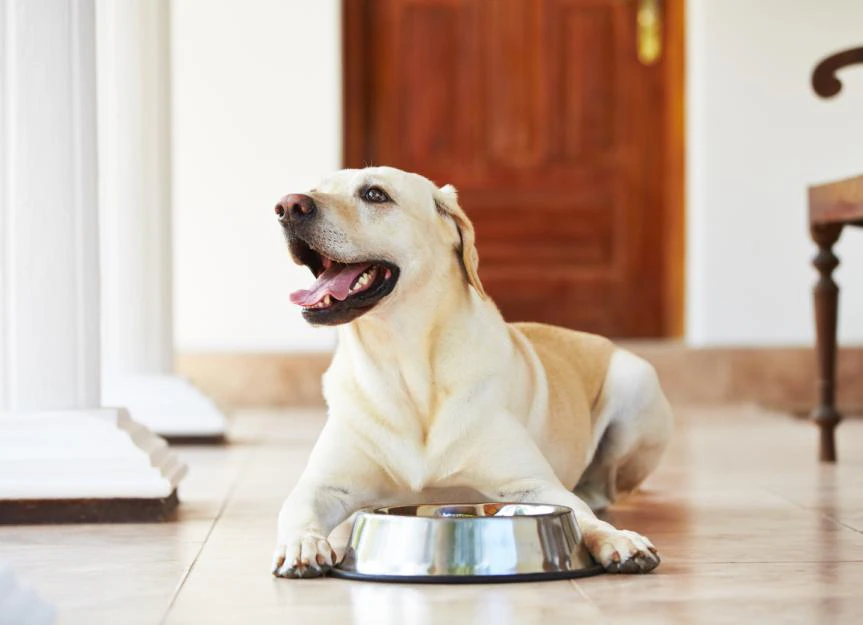
Dog Food Switch SOS: Expert Vet Guide to Avoid Tummy Troubles
Here's a counter-intuitive truth I tell clients in the exam room: Sudden food changes rarely cause problems. It's the *gut biome's* slow adaptation that makes a transition tricky. The gut microbiome, teeming with bacteria, fungi, and viruses, requires time to adjust its enzymatic machinery to efficiently digest the new ingredients.
For Busy Owners: Switching your dog's food can be smooth if done gradually over 7-10 days. A sudden switch can lead to digestive upset. If your dog refuses the new food or develops severe symptoms, consult your veterinarian.
Why is My Dog Suddenly Gassy After a Food Change? The Clinical Perspective
A sudden increase in gassiness (or, as we vets like to say, increased borborygmi) after changing your dog's food is often due to the gut microbiome struggling to adapt. The gut is an ecosystem; a sudden dietary shift alters the substrate available to the bacteria, leading to a temporary imbalance and increased gas production from fermentation.
The rapid introduction of new ingredients overwhelms the existing gut flora. Specific bacterial populations thrive on certain carbohydrates and proteins. When these populations suddenly encounter an abundance of unfamiliar nutrients, they ramp up fermentation, producing gases like hydrogen sulfide (the culprit behind that rotten egg smell) and methane. This microbial imbalance can also disrupt the delicate balance of short-chain fatty acids (SCFAs), which are crucial for maintaining gut health and providing energy to the colonocytes (cells lining the colon). Reduced SCFA production can lead to inflammation and further digestive upset.
Home-Care Hacks for a Gassy Dog
- Probiotic Power: Adding a probiotic supplement to your dog's diet can help re-establish a healthy gut microbiome. Look for products containing strains like Lactobacillus and Bifidobacterium.
- Smaller, More Frequent Meals: Dividing your dog's daily food ration into smaller, more frequent meals can ease the digestive burden and reduce gas production.
- Activated Charcoal: In a pinch, a small amount of activated charcoal can help absorb excess gas in the digestive tract. However, use it sparingly and consult your vet first, as it can also interfere with the absorption of medications.
Red Flag Checklist: When is Dog Gassiness an Emergency?
- Severe Abdominal Pain: If your dog's abdomen is distended, hard, and painful to the touch, seek immediate veterinary attention. This could indicate a more serious condition like bloat (gastric dilatation-volvulus or GDV).
- Persistent Vomiting or Diarrhea: Gassiness accompanied by persistent vomiting or diarrhea warrants a vet visit. This could indicate an infection, inflammatory bowel disease (IBD), or other underlying health problem.
- Lethargy and Loss of Appetite: If your dog is lethargic, refuses to eat, and exhibits other signs of illness, consult your veterinarian promptly.
Why is My Dog Suddenly Pacing at 2 AM? The Role of Gradual Dog Food Transition
Abrupt dietary changes can disrupt a dog's digestive system, leading to discomfort and restlessness, often manifesting as pacing. A slow, gradual transition allows the gut microbiome to adapt, minimizing digestive upset. This is mission-critical, especially for dogs with sensitive stomachs.
The discomfort stems from several biological factors. The sudden influx of new proteins and carbohydrates can trigger an immune response in the gut, leading to inflammation. This inflammation can irritate the intestinal lining, causing pain and discomfort. Furthermore, the altered gut microbiome can produce excessive amounts of gas, leading to bloating and abdominal cramping. The vagus nerve, which connects the gut to the brain, transmits these discomfort signals, resulting in anxiety and restlessness. In older dogs, this discomfort can exacerbate existing conditions like arthritis, further contributing to nighttime pacing.
Home-Care Hacks for a Restless Dog
- Consistent Feeding Schedule: Maintaining a consistent feeding schedule helps regulate your dog's digestive system and reduces the likelihood of nighttime discomfort.
- Prebiotic Supplementation: Prebiotics, such as inulin and fructooligosaccharides (FOS), nourish beneficial gut bacteria and promote a healthy gut microbiome.
- Calming Supplements: In some cases, calming supplements containing ingredients like L-theanine or chamomile can help reduce anxiety and promote relaxation.
Red Flag Checklist: When is Dog Pacing an Emergency?
- Neurological Signs: If your dog exhibits neurological signs such as disorientation, head tilting, or seizures, seek immediate veterinary attention.
- Painful Urination or Defecation: Pacing accompanied by painful urination or defecation could indicate a urinary tract infection or other underlying medical condition.
- Sudden Onset of Weakness: If your dog suddenly becomes weak or collapses, consult your veterinarian immediately.
What are the Benefits of Rotational Feeding for Dogs, Honestly?
Rotational feeding involves regularly changing your dog's food to expose them to a wider range of nutrients and potentially reduce the risk of developing food sensitivities. The theory is that varying protein sources and ingredients can minimize the chances of an adverse reaction to a single food component over time. Honestly, it’s a controversial topic in veterinary nutrition.
The proposed biological benefit stems from the idea that repeated exposure to the same antigens (proteins) in food can lead to immune system sensitization. By rotating protein sources, you theoretically reduce the likelihood of the immune system mounting a response against a specific protein. Furthermore, rotational feeding can promote a more diverse gut microbiome, as different bacteria thrive on different nutrients. A diverse microbiome is generally considered healthier and more resilient to disturbances. However, it's important to note that there's limited scientific evidence to definitively support these claims, and some dogs may not tolerate frequent dietary changes.
Home-Care Hacks for Rotational Feeding
- Choose High-Quality Diets: Ensure that all the diets you use in your rotational feeding plan are complete and balanced and meet your dog's nutritional needs.
- Introduce New Foods Gradually: Even when rotating foods, introduce new diets gradually to minimize the risk of digestive upset.
- Monitor Your Dog Closely: Pay close attention to your dog's stool quality, appetite, and overall health when implementing rotational feeding.
Red Flag Checklist: When is Rotational Feeding a Bad Idea?
- Dogs with Food Allergies: Rotational feeding is not appropriate for dogs with known food allergies, as it can increase the risk of exposure to allergens.
- Dogs with Sensitive Stomachs: Some dogs have sensitive stomachs and do not tolerate frequent dietary changes well.
- Dogs with Medical Conditions: Rotational feeding may not be appropriate for dogs with certain medical conditions, such as inflammatory bowel disease (IBD).
How to Minimize Dog Diarrhea During a Food Change?
The trick to minimizing diarrhea during a dog food switch is a slow, phased transition. The gut needs time to adapt its enzymatic processes and microbial populations. If the diarrhea does occur, it's likely due to dysbiosis, or an imbalance of gut bacteria.
Diarrhea during a food change is often a result of osmotic imbalances in the gut. When undigested food particles reach the colon, they draw water into the intestinal lumen, leading to watery stools. Additionally, the altered gut microbiome can produce excessive amounts of gas and inflammatory compounds, further contributing to diarrhea. In some cases, the new food may contain ingredients that the dog is sensitive to, triggering an immune response and inflammation in the gut. This inflammation can disrupt the normal absorptive function of the intestinal lining, leading to diarrhea.
Home-Care Hacks for Dog Diarrhea
- Bland Diet: Temporarily switch your dog to a bland diet consisting of boiled chicken and white rice. This is easily digestible and can help soothe the digestive tract.
- Hydration: Ensure that your dog has access to plenty of fresh water to prevent dehydration. You can also offer unflavored Pedialyte to help replenish electrolytes.
- Fiber Supplementation: Adding a small amount of fiber to your dog's diet, such as plain canned pumpkin (not pumpkin pie filling), can help firm up the stools.
Red Flag Checklist: When is Dog Diarrhea an Emergency?
- Bloody Diarrhea: Diarrhea containing blood is a serious sign and warrants immediate veterinary attention.
- Severe Dehydration: Signs of dehydration include sunken eyes, dry gums, and decreased skin elasticity.
- Lethargy and Weakness: If your dog is lethargic, weak, and refuses to eat, consult your veterinarian promptly.