

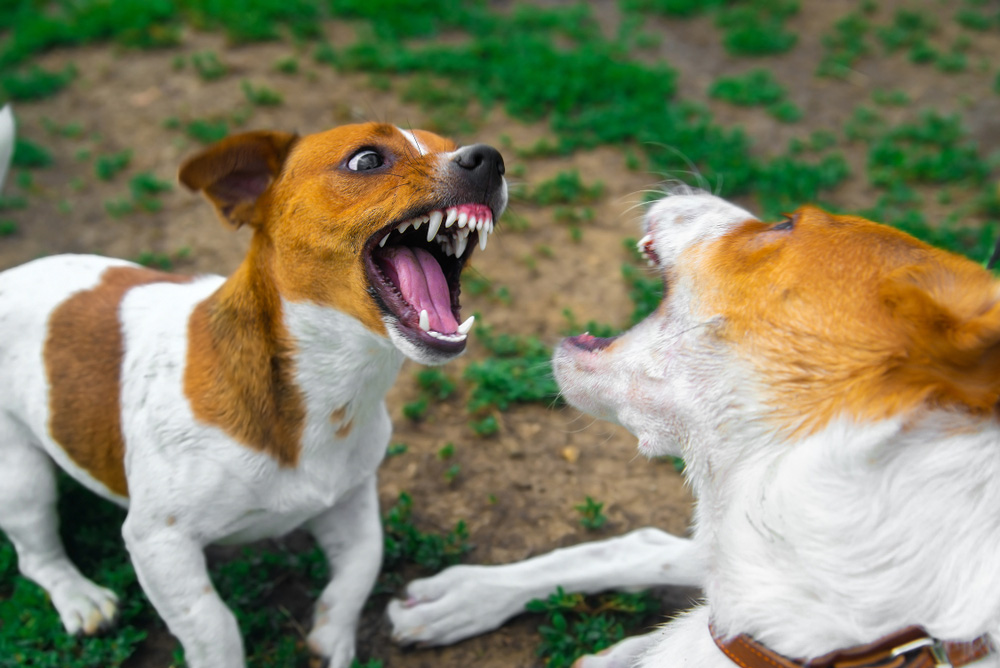
Dog Fight SOS: Calming Canine Conflicts at Home
Here's a counter-intuitive fact I often share with owners in the exam room: most dog fights aren't about dominance. Actually, they're often about anxiety, miscommunication, or even underlying medical issues. Understanding this changes everything about how you'll approach the problem.
For Busy Owners: Dog fights are stressful. First, identify what triggers the fights, like food or toys. Second, ensure both dogs are healthy with a vet check. Finally, implement training techniques and create a safe environment to reduce conflict.
Why is My Dog Suddenly Fighting? Understanding Dog Aggression Triggers
Dog fights in the home are scary. The first step is understanding the root cause. Are they fighting over food, toys, or space? Identifying these triggers allows you to take proactive steps to manage the environment and minimize conflict. It’s about detective work, honestly.
Now, here's the deal. Aggression isn't random. It's usually rooted in something. Think of it as a symptom, not the disease itself. We need to dig into the 'why' behind the snarls and snaps. From a clinical perspective, aggression can stem from a variety of factors. Resource guarding is a big one – a dog protecting what they perceive as a limited resource. This is tied to their survival instincts, hardwired over millennia. Pain or illness can also trigger aggression. Think about it, if you had a throbbing headache, you'd be less tolerant of someone bumping into you, right? Same goes for dogs. Neurological issues can also lower the aggression threshold. Conditions affecting the brain can disrupt normal impulse control. Redirected aggression happens when a dog is frustrated by something they can't reach, like a dog outside the window, and they lash out at the nearest target. Fear aggression is common, especially in poorly socialized dogs. They're acting out of self-preservation. Prey aggression, less common between household dogs, involves one dog seeing the other as prey. Territorial aggression is specific to the home environment, while social conflict aggression is related to establishing a hierarchy. And finally, hormonal imbalances, especially in unneutered animals, can definitely fuel the fire.
The Clinical Perspective (Biological ‘Why’)
Let’s zoom in on the biology for a second. When a dog feels threatened, their body floods with cortisol and adrenaline. This activates the “fight or flight” response. Heart rate and blood pressure skyrocket. Blood flow is diverted to the muscles, preparing them for action. Their senses become hyper-alert. This is all driven by the hypothalamic-pituitary-adrenal (HPA) axis, a complex hormonal feedback system. Chronic stress and anxiety can dysregulate this system, making a dog more prone to reactive behavior. Furthermore, neurotransmitters like serotonin play a mission-critical role in regulating mood and impulse control. Low serotonin levels have been linked to increased aggression in both animals and humans. Even subtle changes in brain structure, like those seen in dogs with a history of trauma, can affect their emotional responses.
Home-Care Hacks (Low-Cost, Practical Tips)
Okay, so what can you do at home, practically speaking? First, create separate zones for each dog. This means individual beds, food bowls, and toys. No sharing! Feed them in separate rooms, or at least far apart. Supervise playtime closely and intervene if things get tense. Use baby gates to create physical barriers and give each dog their own space. Rotate toys regularly to prevent resource guarding. And most importantly, provide plenty of exercise and mental stimulation. A tired dog is a good dog, as the saying goes. Puzzle toys, training sessions, and long walks can all help burn off excess energy and reduce anxiety.
The Red Flag Checklist (When to Panic vs. When to Wait)
When is it time to call in the professionals? If the fights are frequent, intense, or escalating, don't wait. If there are injuries, seek veterinary attention immediately. If you see signs of deep-seated anxiety or fear in either dog, consult a veterinary behaviorist. And if you're feeling overwhelmed or unsafe, don't hesitate to ask for help. This isn't something you have to handle alone. A veterinary behaviorist can assess the dogs' behavior, identify underlying issues, and develop a customized treatment plan. This might involve medication, behavior modification techniques, or even environmental changes.
How Can I Desensitize Dogs to Each Other?
Desensitization and counterconditioning are powerful tools. The idea is to gradually change your dog's emotional response to the other dog. We want to create positive associations and reduce anxiety. This takes time, patience, and a whole lot of treats. The goal is to change the emotional response to a positive one.
Desensitization is about slowly exposing your dog to the trigger – in this case, the other dog – at a level they can tolerate. The key is to start below their threshold of reactivity. So, if they start barking and lunging when the other dog is 20 feet away, start at 30 feet. Keep the sessions short and positive, and gradually decrease the distance as they become more comfortable. Counterconditioning involves pairing the trigger with something positive, like food or praise. Every time your dog sees the other dog, give them a treat. This helps create a positive association and override the negative emotions. Desensitization works by gradually exposing your dog to the presence of the other dog in a controlled environment, starting at a distance where they remain calm. Over time, the distance is reduced, and the dog learns to tolerate the presence of the other dog without reacting aggressively. Counterconditioning, on the other hand, focuses on changing the dog's emotional response to the other dog by associating their presence with something positive, such as treats or praise.
The Clinical Perspective (Biological ‘Why’)
From a biological standpoint, desensitization and counterconditioning work by rewiring the brain. When a dog experiences a trigger, like the sight of another dog, it activates the amygdala, the brain's fear center. This triggers the release of stress hormones and prepares the body for fight or flight. However, by repeatedly exposing the dog to the trigger in a safe and controlled environment, and pairing it with positive reinforcement, we can gradually weaken the connection between the trigger and the fear response. This process involves neuroplasticity, the brain's ability to reorganize itself by forming new neural connections. Over time, the amygdala becomes less reactive to the trigger, and the dog learns to associate it with positive emotions instead of fear or anxiety. This shift in emotional response is also influenced by neurotransmitters like dopamine, which is released during positive reinforcement and helps strengthen the new neural connections.
Home-Care Hacks (Low-Cost, Practical Tips)
Start with parallel walks. Keep the dogs on leashes and walk them side-by-side at a distance where they're comfortable. Reward them for calm behavior. Use a clicker to mark the desired behavior and then immediately give a treat. This creates a clear association between the behavior and the reward. Practice “look at that” exercises. When your dog sees the other dog, say “look at that” and then immediately give a treat. This helps them focus on you instead of the other dog. Create positive associations with each other’s scent. Swap their bedding regularly so they get used to each other’s smell. And don’t forget to celebrate small victories! Any progress, no matter how small, is a step in the right direction.
The Red Flag Checklist (When to Panic vs. When to Wait)
If your dog is constantly stressed or anxious during these exercises, you're moving too fast. Slow down and increase the distance. If they're showing signs of aggression, like growling or snapping, stop immediately and consult a professional. And if you're feeling frustrated or overwhelmed, take a break. This is a marathon, not a sprint. Remember, the goal is to create a positive experience for both dogs. If either dog is consistently fearful or aggressive, it's time to re-evaluate the situation and seek professional help. Sometimes, despite our best efforts, some dogs simply can't live together peacefully. In these cases, rehoming one of the dogs may be the most humane option.
How to Safely Break Up a Dog Fight
Breaking up a dog fight is risky, so safety is paramount. Never put your hands or face between fighting dogs. Use loud noises or physical barriers to separate them. If possible, use the “wheelbarrow” technique, but only if you’re experienced and confident. Your safety, and the safety of the dogs, is the non-negotiable priority.
Okay, time for some tough talk. Dog fights are brutal. They're loud, chaotic, and incredibly stressful. And in the heat of the moment, it's easy to get hurt. That's why knowing how to safely break up a fight is mission-critical. First, avoid the knee-jerk reaction to reach in and grab one of the dogs. That's a surefire way to get bitten. Instead, try to distract them with a loud noise. A whistle, an air horn, or even just yelling can sometimes break their focus. If that doesn't work, try creating a physical barrier. Toss a blanket over them, slide a piece of plywood between them, or even spray them with a hose. The goal is to interrupt their momentum and give them a chance to disengage. The “wheelbarrow” technique involves two people grabbing the hind legs of each dog and pulling them apart. This should be a last resort and only attempted by experienced handlers, as the dogs may turn on you. Once the dogs are separated, keep them separated. Put them in different rooms or crates to allow them to calm down. And most importantly, assess them for injuries. Even small puncture wounds can be serious, so it's always best to err on the side of caution and seek veterinary attention.
The Clinical Perspective (Biological ‘Why’)
During a dog fight, the dogs are in a heightened state of arousal. Their sympathetic nervous system is in overdrive, flooding their bodies with adrenaline and noradrenaline. This makes them less sensitive to pain and more likely to act impulsively. Their focus narrows, and they may not even recognize you or respond to your commands. That's why it's so dangerous to get in between them. The dogs are essentially in a primal state, driven by instinct and emotion. Their prefrontal cortex, the part of the brain responsible for reasoning and decision-making, is essentially offline. This is why it's so difficult to reason with them or get them to stop fighting. Breaking up a dog fight requires disrupting this cycle of arousal and giving the dogs a chance to regain control of their emotions.
Home-Care Hacks (Low-Cost, Practical Tips)
Keep a “dog fight kit” handy. This should include a whistle, an air horn, a blanket, and a hose. Practice using these tools so you're comfortable with them in an emergency. Teach your dogs a “leave it” command. This can be used to interrupt their focus and prevent fights from escalating. And most importantly, learn to recognize the early warning signs of aggression. Stiff body posture, raised hackles, and lip curling are all signs that a fight may be brewing. If you see these signs, intervene early to prevent the situation from escalating.
The Red Flag Checklist (When to Panic vs. When to Wait)
If you're unable to safely break up the fight, call animal control or the police. Don't put yourself in danger. If either dog is seriously injured, seek veterinary attention immediately. And if the fights are becoming more frequent or intense, consult a veterinary behaviorist. This is a serious problem that needs to be addressed professionally. Remember, your safety and the safety of your dogs are the top priorities. Don't hesitate to ask for help if you need it.
Conclusion
Living with multiple dogs can be wonderful, but it also comes with challenges. Understanding the root causes of aggression, implementing proactive management strategies, and knowing how to safely break up a fight are all mission-critical for creating a harmonious household. It takes time, patience, and a willingness to learn, but the rewards are well worth the effort. And remember, you're not alone. There are plenty of resources available to help you navigate these challenges and create a happy, healthy home for your furry friends.