

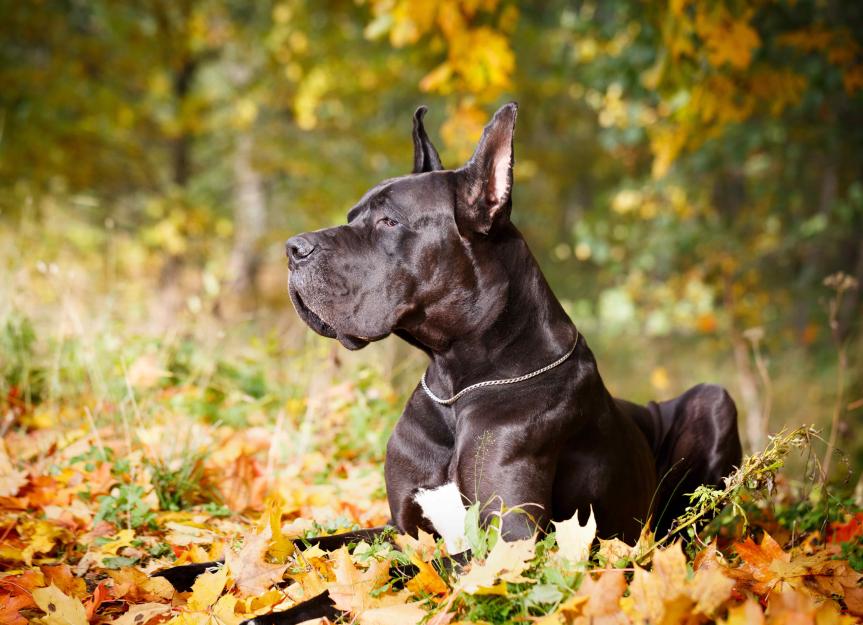
Dog Ear Cropping: Is it Cruel or a Harmless Breed Standard?
Here's something that hits you right between the eyes: that 'tough' look of cropped ears? It's purely cosmetic. No medical upside exists, period. It won't stop ear infections, and it certainly won't boost hearing. Honestly, it's a relic from bloodsport days, and we need to ask ourselves if that's a legacy worth keeping.
For Busy Owners: Ear cropping is a cosmetic surgery to alter a dog's ear shape, often done on young puppies. There are no proven health benefits, and major veterinary organizations are against it. The procedure can cause pain, communication problems, and potential behavioral issues.
What Exactly *Is* Dog Ear Cropping?
Ear cropping is a surgical procedure where portions of a dog's outer ear, known as the pinna, are removed to reshape the ears. The vet uses either scissors or a scalpel. Post-surgery, the edges are stitched or glued. Bandages and tape might be used to train the remaining ear tissue into a pointed, upright position. The aim? A certain 'look'.
Generally, this is performed on puppies between 6 and 12 weeks. The (flawed) logic is that their ears are still developing, and they will supposedly experience less pain. I cannot stress enough that pain perception exists in puppies. While a licensed veterinarian *should* be the only one performing this under general anesthesia, back in the exam room, I've heard horror stories of breeders doing it themselves, no anesthesia, nothing. This is barbaric.
It’s most commonly seen in specific breeds like Doberman Pinschers, Great Danes, Mastiffs, and Pit Bull Terriers. The style varies: Dobermans and Great Danes often get long, pointed ears, while “bully” breeds might have almost the entire outer ear removed.
"My Dog's Ears Look Infected!" The Clinical Perspective (Biological 'Why')
So, why are some breeds more prone to ear infections, and why do some people believe cropping helps? It's about ear canal ventilation and moisture. Dogs with floppy ears often have less airflow, creating a humid environment where bacteria and yeast thrive. This leads to otitis externa (that's vet-speak for outer ear infection; owners just call it a mess). The theory is that cropping improves ventilation, reducing infection risk. But honestly, that's a weak argument for surgery.
The real issue is the ear's anatomy. The L-shape of a dog's ear canal makes it a perfect trap for debris and moisture. Breeds with allergies are predisposed. The allergic response causes inflammation and increased sebum production in the ear canal, creating a breeding ground for microbes. Furthermore, some dogs have a genetic predisposition to produce more earwax, which can also trap moisture and debris. Think of it as a tiny, self-contained swamp.
Is There *Any* Real Benefit to Dog Ear Cropping?
Historically, ear cropping was done to protect dogs in violent situations. Think dogfighting or bear-baiting (thankfully, both illegal now). Cropped ears gave opponents less to grab onto. Also, dogs bred for guarding were sometimes cropped to appear more intimidating. It was all about function, or at least the *perception* of function.
Now, people claim it prevents ear infections or injuries. But honestly, there's zero solid evidence to back that up. Some even think it improves hearing. Actually, the pinna (outer ear) is critical for focusing sound waves. Chopping it off likely *impairs* hearing, not enhances it.
"Can Cropped Ears Really Cause Hearing Loss?" The Clinical Perspective (Biological 'Why')
The shape of the pinna is crucial for sound localization. The unique contours help dogs determine the direction and distance of a sound. When the pinna is altered, it changes how sound waves are collected and funneled into the ear canal. This can affect a dog's ability to pinpoint sounds, especially those coming from behind or to the side. It's like wearing earplugs that muffle certain frequencies – you can still hear, but the clarity and directionality are compromised.
Furthermore, the surgery itself can cause trauma to the delicate structures within the ear. Scar tissue can form, altering the ear canal's natural acoustics. In rare cases, nerve damage can occur, leading to further hearing impairment. While complete deafness is unlikely, subtle hearing deficits can impact a dog's awareness and responsiveness to its environment.
Should I Crop My Dog’s Ears? What Do Veterinarians Say?
Anesthesia always carries risks, and post-operative complications are well-documented. Infection, pain, and the stress of surgery during a puppy's critical socialization period (8-10 weeks) can have long-lasting negative effects. I tell my clients: think about how this might affect your dog's personality and behavior.
Dogs use their ears to communicate. While we need more research, it's suspected that cropping can hinder communication with other dogs and with humans. This can lead to fear and anxiety. We see similar problems with tail docking. It's like taking away their ability to 'speak' clearly.
Major veterinary organizations (AVMA, AAHA, CVMA) actively oppose ear cropping. It's illegal in the UK, and the Royal Kennel Club bans cropped dogs from shows. Frankly, it's a purely cosmetic procedure with no medical upside. If you're buying a purebred puppy, seek out breeders who refuse to crop ears.
"My Breeder Insists on Cropping!" Home-Care Hacks (Low-Cost, Practical Tips)
If you find yourself in a situation where a breeder insists on cropping, consider these points. First, advocate for the procedure to be performed by a licensed veterinarian with experience in ear cropping. This minimizes the risk of complications. Second, discuss pain management options with the vet. Ensure the puppy receives adequate pain relief during and after the surgery.
Third, insist on proper post-operative care. This includes keeping the surgical site clean and dry, administering medications as prescribed, and preventing the puppy from scratching or rubbing the ears. A cone collar (the dreaded 'cone of shame') is essential. Finally, if possible, delay the procedure until after the critical socialization period (8-16 weeks). This reduces the risk of behavioral issues related to pain and stress.
What Are the Red Flags After Ear Cropping? When Should I Panic?
Keep a close eye on your dog after ear cropping. Red flags include excessive bleeding, swelling, redness, or discharge from the surgical site. These are signs of infection. Also, watch for signs of severe pain, such as whimpering, reluctance to eat, or aggression when the ears are touched. Any of these warrant an immediate vet visit.
Other warning signs include lethargy, fever, or vomiting. These could indicate a systemic infection or a reaction to anesthesia. Also, be alert for behavioral changes, such as increased anxiety, fearfulness, or aggression. These may indicate that the puppy is struggling to cope with the pain and stress of the procedure. Trust your gut. If something doesn't seem right, seek veterinary attention.
"My Dog's Acting Weird After Cropping!" The Clinical Perspective (Biological 'Why')
The stress of surgery and post-operative pain can trigger a cascade of hormonal and neurological changes in puppies. Cortisol, the stress hormone, surges, impacting the developing brain. Chronic stress can disrupt the hypothalamic-pituitary-adrenal (HPA) axis, which regulates the body's response to stress. This can lead to long-term anxiety and behavioral problems.
Pain signals travel through the nervous system, sensitizing nerve pathways. This can result in chronic pain and increased sensitivity to stimuli. Furthermore, anesthesia can have lingering effects on brain function, affecting memory, learning, and emotional regulation. It's a complex interplay of factors that can impact a puppy's well-being long after the surgery is over. Remember, a puppy's brain is still developing, making them particularly vulnerable to the negative effects of stress and pain.