

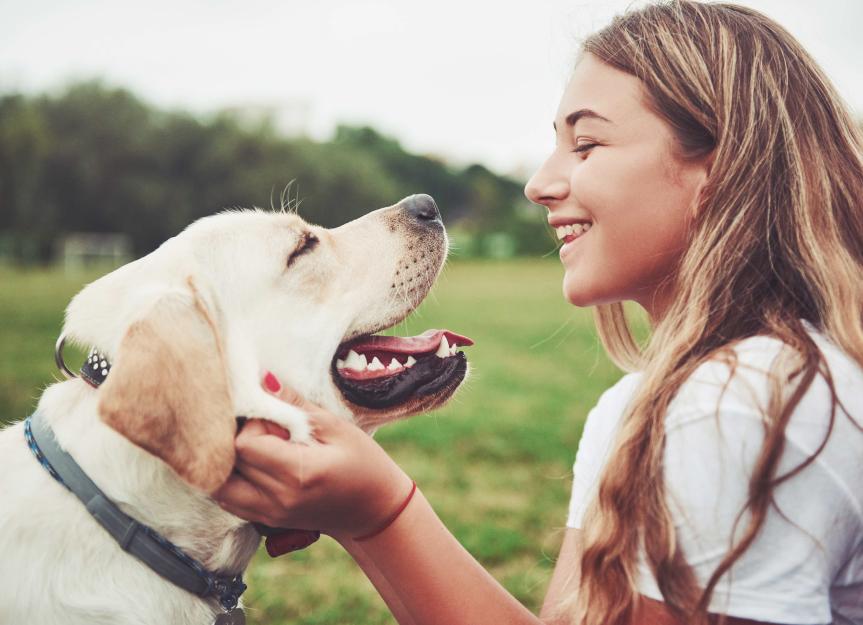
Does My Dog Really Know Their Name? A Vet's Deep Dive
Here's a counter-intuitive fact from the exam room: dogs don't just respond to the *sound* of their name. They're actually processing the *intent* behind it. It's not just about sound recognition; it's about social cognition. So, yes, your dog likely knows their name but in a way that's far more nuanced than you might imagine.
For Busy Owners: Yes, dogs can learn and recognize their names. They associate the sound with you and with positive reinforcement. Teaching a dog their name involves consistent, positive training and clear pronunciation.
Do Dogs Actually Understand What We Say? The Clinical Perspective
Yes, dogs can understand human words. Research from the American Psychological Association (APA) suggests dogs can comprehend over 150 words, with "super dogs" knowing up to 250. This is similar to a two-year-old child. The underlying mechanism involves auditory processing in the brain, where specific neural pathways become associated with particular sounds and their corresponding meanings. Think of it like this: repeated exposure strengthens those neural connections, making recall faster and more reliable.
Why is My Dog Suddenly Ignoring Their Name? The Red Flag Checklist
If your dog suddenly stops responding to their name, don't immediately assume they're being stubborn. There could be underlying medical reasons. Hearing loss, for instance, is a common issue in older dogs due to age-related degeneration of the hair cells within the cochlea. These hair cells are responsible for transducing sound waves into electrical signals that the brain can interpret. As they degrade, your dog's ability to hear high-frequency sounds (like your voice) diminishes.
- Sudden unresponsiveness to their name.
- Shaking their head or pawing at their ears (possible ear infection).
- Increased sleeping or lethargy (could indicate systemic illness).
- Disorientation or confusion (potential neurological issue).
If you notice any of these red flags, a vet visit is non-negotiable. Don't wait. Early intervention can make a mission-critical difference, especially with conditions like ear infections or neurological problems.
Do Dogs Know Their Nicknames? Decoding the Science
Yes, dogs can recognize nicknames. A 2020 study showed dogs process words similarly to how they process commands. They use both sides of their brain to understand human words. This involves complex cognitive processing, where the brain not only recognizes the sound but also associates it with specific contexts and emotions. I tell my clients to think of it as building a mental Rolodex. Each time you use a nickname in a positive context, you're adding another card to that Rolodex, strengthening the association.
Signs That a Dog Knows Their Name: Beyond the Basics
The biggest indicator that a dog knows their name is that they respond consistently when called. This means they turn their head, make eye contact, or come to you. The biological mechanism here is associative learning. The dog associates the sound of their name with attention, interaction, and potential reward. This triggers the release of dopamine, a neurotransmitter associated with pleasure and motivation, reinforcing the behavior.
How To Teach Your Dog Their Name: Vet-Approved Training
Use positive reinforcement to teach your dog their name. Rewards can be treats, praise, or toys. Consistency is mission-critical. The underlying principle is classical conditioning. By repeatedly pairing the name with a positive stimulus, you're creating a conditioned response. The dog learns to associate the name with something good, making them more likely to respond in the future.
Home-Care Hacks for Name Training
- Use high-value treats (small pieces of cooked chicken or cheese).
- Practice in short sessions (5-10 minutes).
- Vary your tone of voice (happy, excited, encouraging).
- End each session on a positive note.
Choosing the Right Name for Your Dog: A Vet's Perspective
Choose a name that is easy to say and distinct from common commands. One- or two-syllable names are generally best. The reason? Shorter names are easier for dogs to discriminate from background noise and other verbal cues. Longer names can be confusing, especially when combined with commands like "sit" or "stay." It's all about clarity and minimizing cognitive overload.