

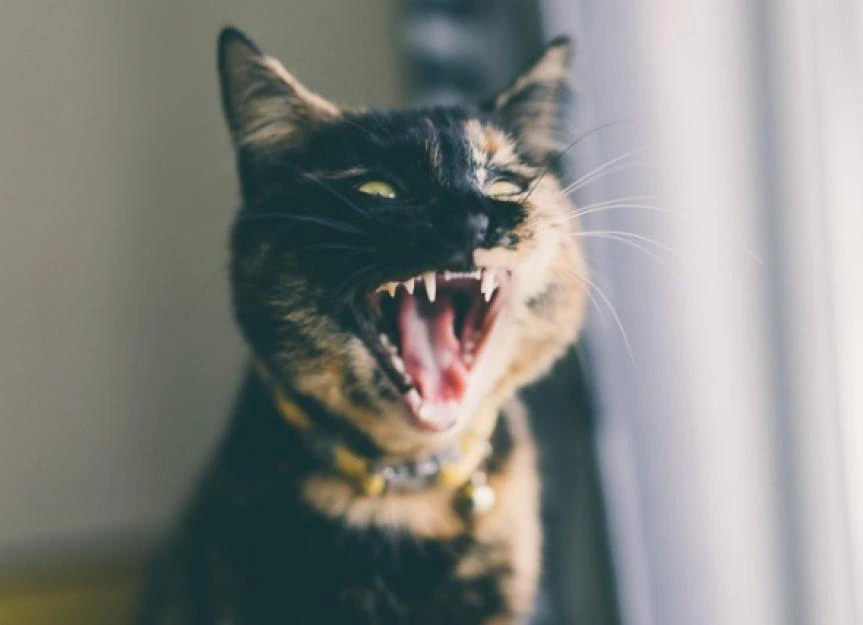
Decoding Your Cat's Chompers: A Vet's Guide to Feline Dental Health
Here's a truth bomb from the exam room: Cats are masters of disguise when it comes to pain. Just because Fluffy is purring doesn't mean her mouth isn't a battlefield. In fact, many cats suffer silently from dental disease, making proactive care non-negotiable.
For Busy Owners: Cat dental health is crucial but often overlooked. Cats have unique dental structures that make them prone to specific issues like tooth resorption. Regular check-ups and home care are essential for preventing pain and maintaining your cat's overall well-being.
Why are Human Teeth and Cat Teeth Surprisingly Similar?
Both humans and cats are diphyodonts, meaning they develop two sets of teeth in their lifetime: baby teeth and permanent teeth. Cats' dental development is rapid; kittens get baby teeth around 2 weeks old, which are replaced by permanent teeth around 3 months. These permanent teeth, with proper care, are intended to last a lifetime.
From a clinical perspective, this two-stage development is mission-critical. Problems during the development of either set can lead to malocclusion (misalignment) or other dental abnormalities. I always tell my clients to watch for retained baby teeth, which can cause crowding and increase the risk of periodontal disease later in life.
Home-Care Hacks:
- Regular Inspection: Once a week, gently lift your cat's lip and look for redness, swelling, or discharge.
- Dental Treats: Certain dental treats are formulated to reduce plaque and tartar buildup. Look for the VOHC seal of approval.
The Red Flag Checklist:
- Pawing at the Mouth: This can indicate pain or discomfort.
- Drooling: Excessive drooling, especially if tinged with blood, is a major red flag.
- Decreased Appetite: A sudden reluctance to eat, especially dry food, suggests oral pain.
How are Cat Teeth Optimized for Hunting? A Carnivore's Toolkit
Cat teeth are designed for a carnivorous diet, perfectly suited for capturing and consuming prey. The sharp canines excel at puncturing skin, while the premolars and molars are adapted for shearing meat. This dental structure allows cats to efficiently process their natural diet.
Think of it this way: The shape of each tooth reflects its evolutionary purpose. The canines, for example, are long and curved for gripping and immobilizing prey. Honestly, it's a marvel of natural engineering. However, in our domesticated cats, this same dentition can lead to deep puncture wounds if you're on the receiving end of a bite – something I see all too often in the exam room!
Home-Care Hacks:
- Appropriate Toys: Provide toys that allow your cat to mimic hunting behaviors without damaging their teeth.
- Raw Food Diet (with Caution): Some owners opt for a raw food diet, believing it's better for dental health. Consult with your veterinarian before making this switch.
The Red Flag Checklist:
- Aggression When Touched Near the Mouth: This can be a sign of underlying dental pain.
- Reluctance to Groom: Cats use their teeth for grooming. If they stop grooming, it could be due to oral discomfort.
What are the Different Functions of Cat Teeth?
Each type of tooth in a cat's mouth performs a specific job. Incisors are used for grooming and picking up small objects. Canines puncture and grip prey. Premolars and molars have sharp edges for shearing meat. All contribute to effective eating and grooming.
Actually, those tiny incisors are more useful than you might think. I've seen cats use them to meticulously groom themselves, removing every last bit of loose fur. And the premolars and molars? They're designed to act like scissor blades, efficiently slicing through meat. This efficient design minimizes the effort required for chewing, conserving energy for other activities.
Home-Care Hacks:
- Monitor Incisor Health: Check for tartar buildup on the incisors, as they can be prone to plaque accumulation.
- Provide a Variety of Textures: Offering both wet and dry food can help stimulate different teeth and promote oral hygiene.
The Red Flag Checklist:
- Difficulty Picking Up Food: If your cat struggles to grasp food with their incisors, it could indicate a problem.
- Swallowing Food Whole: This can be a sign that chewing is painful.
Why Don't Cats Get Cavities? Understanding Feline Dental Resistance
Cats are less prone to cavities than humans because of the shape of their teeth and their diet. Cat molars lack flat surfaces where bacteria can thrive. Their high-protein, low-carbohydrate diet also deprives cavity-causing bacteria of the sugars they need to flourish.
Here's the deal: the absence of those flat occlusal tables on their molars makes it difficult for food particles to get trapped and for bacteria to form colonies. Plus, a cat's saliva has a higher pH than human saliva, creating an environment that is less conducive to bacterial growth. It's a perfect storm of protection against caries.
Home-Care Hacks:
- Water Additives: Some water additives contain enzymes that help prevent plaque and tartar buildup.
- Limit Sugary Treats: While cats are less prone to cavities, sugary treats can still contribute to dental problems.
The Red Flag Checklist:
- Bad Breath: While cats don't get cavities, bad breath can indicate other dental problems.
- Inflamed Gums: Red or swollen gums are a sign of gingivitis, even if cavities aren't present.
What Other Dental Issues Can Affect My Cat?
Cats are prone to periodontal disease, gingivostomatitis, oral cancer, and tooth resorption. Tooth resorption, where tooth structures are broken down and replaced with bone-like material, is especially common and painful. Early diagnosis is key for managing these conditions.
Tooth resorption, in particular, is a real menace. It's thought to be related to an overactivity of cells called odontoclasts, which normally break down teeth during development. But in tooth resorption, these cells go rogue and start attacking healthy teeth. The exact cause is unknown, but it's likely multifactorial, involving genetics, diet, and immune system factors. I always tell my clients, "If you see a little red spot at the gumline, don't ignore it! Get it checked out ASAP!"
Home-Care Hacks:
- Regular Veterinary Checkups: Annual dental exams are crucial for early detection of dental problems.
- Prescription Dental Diets: Certain prescription diets are formulated to help reduce plaque and tartar buildup.
The Red Flag Checklist:
- Changes in Eating Habits: Favoring one side of the mouth or dropping food can indicate dental pain.
- Weight Loss: Dental pain can lead to decreased appetite and weight loss.
Why Do Cats Hide Dental Pain So Well?
Cats are naturally stoic and hide pain to avoid appearing vulnerable. This instinct makes it difficult to detect dental problems early. Owners and vets must be proactive, looking for subtle signs like drooling, red gums, or changes in eating habits.
It's a survival mechanism, plain and simple. In the wild, showing weakness makes you a target. So, cats have evolved to mask their pain as much as possible. That's why it's so mission-critical to be observant. A change in grooming habits, a slight decrease in appetite – these can be early warning signs that something is amiss. And that "rotten fish" breath? That's a dead giveaway of advanced dental disease.
Home-Care Hacks:
- Observe Eating Behavior: Watch for any signs of discomfort while eating.
- Check for Facial Swelling: Swelling can indicate an abscessed tooth.
The Red Flag Checklist:
- Hiding More Than Usual: Pain can cause cats to withdraw and hide.
- Changes in Vocalization: Excessive meowing or hissing can indicate pain.
Can My Cat Still Eat After Teeth are Removed?
Cats can thrive even after having multiple teeth extracted. They can easily eat wet food and often dry food without discomfort. A pain-free mouth is more important than a mouth full of teeth.
Honestly, it's remarkable how well cats adapt to having teeth removed. Think about it: those diseased teeth are causing constant pain and inflammation. Once they're gone, the cat feels a huge sense of relief. I've seen cats who were barely eating before surgery gobble down a bowl of food the very next day! And with a little dietary modification (mostly wet food), they can live long, happy lives.
Home-Care Hacks:
- Soft Food Diet: After extractions, feed your cat a soft food diet for a few weeks.
- Monitor Weight: Ensure your cat is maintaining a healthy weight after surgery.
The Red Flag Checklist:
- Infection: Watch for signs of infection at the extraction sites, such as redness, swelling, or discharge.
- Continued Pain: If your cat continues to show signs of pain after surgery, contact your veterinarian.
How Do Regular Dental Visits and Brushing Protect My Cat's Dental Health?
Regular dental visits and daily tooth brushing are essential for preventing dental problems. Brushing removes bacteria and plaque, while professional cleanings remove tartar and allow for a thorough oral examination. Consistent dental care prevents the buildup of bacteria that cause many dental issues.
Think of brushing as your first line of defense against dental disease. It disrupts the formation of plaque, that sticky film of bacteria that clings to teeth. And regular professional cleanings? They're like hitting the reset button. Your vet can remove hardened tartar, assess the health of each tooth, and identify any underlying problems before they become serious. It's a non-negotiable part of responsible pet ownership.
Home-Care Hacks:
- Start Young: Begin brushing your cat's teeth when they are a kitten to get them used to the process.
- Use Pet-Specific Toothpaste: Human toothpaste contains ingredients that are toxic to cats.
The Red Flag Checklist:
- Resistance to Brushing: If your cat suddenly resists brushing, it could indicate dental pain.
- Bleeding Gums: Bleeding gums are a sign of gingivitis and require veterinary attention.
What is the Veterinary Oral Health Council (VOHC) Seal?
The Veterinary Oral Health Council (VOHC) seal indicates that a dental product has undergone rigorous scientific testing and meets high standards of efficacy. Look for the VOHC seal on dental treats, water additives, and specially formulated kibble to ensure you're using products that are proven to improve your cat's dental health.
The VOHC seal is your guarantee that a product actually does what it claims to do. It's not just marketing hype; it's based on solid scientific evidence. These products have been shown to reduce plaque and tartar buildup, helping to keep your cat's teeth healthy and strong. So, when you're shopping for dental products, look for that seal of approval. It's worth its weight in gold.
Home-Care Hacks:
- Consult the VOHC Website: The VOHC website provides a list of approved products and valuable information about cat dental health.
- Choose Products Your Cat Enjoys: The best dental product is the one your cat will actually use.
The Red Flag Checklist:
- False Advertising: Be wary of products that make unrealistic claims without scientific backing.
- Ingredient Safety: Always check the ingredient list to ensure the product is safe for your cat.