

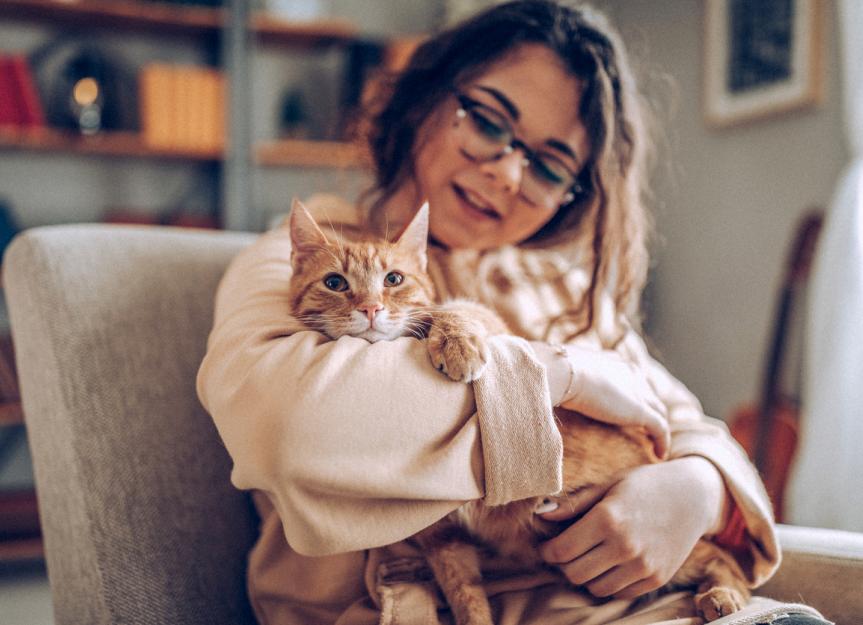
Decoding Cat Hugs: Do They Secretly Hate It? (Vet Advice)
Here's a fact that might ruffle some feathers (or fur): that purring ball of fluff in your lap might actually despise your affection. Many owners assume purring equals happiness. But honestly, that rumble can also signal anxiety or stress. It's a common misinterpretation I see constantly in the exam room.
For Busy Owners: Many cats dislike hugs. Look for signs like squirming, flattened ears, or tail swishing. Instead of hugs, try gentle scratches or grooming. Observe your cat's body language to understand their comfort level and build a stronger bond.
Do Cats Actually Like Hugs? Understanding Feline Affection
The truth? A lot of cats absolutely loathe being hugged. They perceive it as a restriction of their freedom, triggering a stress response. Cats are obligate carnivores and retain strong survival instincts. Being pinned down, even affectionately, can activate their fight-or-flight response, flooding their system with cortisol and adrenaline.
Why Do Some Cats Tolerate Hugs? The Kittenhood Factor
Kittens exposed to gentle handling and hugging during their critical socialization period (2-7 weeks) are more likely to accept it later in life. This early exposure helps them associate human touch with safety and comfort. During this period, neurological pathways are formed that influence their response to stimuli. However, even with early socialization, individual temperament plays a huge role.
Are Certain Cat Breeds More Likely to Enjoy Being Held?
Certain breeds, like Ragdolls and Persians, are often described as more docile and tolerant of handling. This is partially due to selective breeding for temperament. However, breed is not the only factor. Epigenetics, or how genes are expressed, also influences personality. A cat's individual experiences and environment shape its response to physical contact far more than its breed.
The Clinical Perspective: Why Forced Affection Backfires
From a clinical perspective, forced affection can damage the human-animal bond. When a cat feels trapped or threatened, it experiences a surge in stress hormones. Chronic stress can suppress the immune system, making the cat more susceptible to illness. Furthermore, repeated negative experiences can lead to learned helplessness, where the cat becomes withdrawn and passive.
Decoding Cat Body Language: How to Tell If Your Cat Hates Hugs
Cats communicate through subtle body language. A relaxed cat will have relaxed posture, slow blinks, and may knead its paws. A stressed cat might flatten its ears, flick its tail, or exhibit dilated pupils. Some cats freeze, masking their discomfort. Be aware of piloerection (raised fur) and hissing, clear signs of distress.
Home-Care Hacks: Alternatives to Hugs for Showing Love
Forget the bear hugs! Instead, focus on positive reinforcement. Use treats, praise, and gentle petting to reward desired behaviors. Create a safe and enriching environment with plenty of toys, scratching posts, and vertical space. Engage in interactive play sessions to stimulate their hunting instincts and strengthen your bond.
The Red Flag Checklist: When to Back Off Immediately
If your cat exhibits any signs of aggression, such as biting, scratching, or hissing, back off immediately. These are clear signals that they are feeling threatened. Watch for subtle cues like tense muscles, flattened ears, or a twitching tail. Respect your cat's boundaries and avoid forcing affection.
Long-Tail Keyword: How to Build Trust With a Feline
Building trust is crucial for a positive relationship. Start by respecting your cat's personal space. Let them initiate interactions. Use positive reinforcement to reward desired behaviors. Provide a safe and enriching environment. Consistency and patience are key.
Long-Tail Keyword: Understanding Feline Communication Signals
Cats use a combination of vocalizations, body language, and scent marking to communicate. Learn to recognize the different meows, purrs, and hisses. Pay attention to their posture, tail movements, and ear position. Observe their interactions with other cats and humans to gain a deeper understanding of their communication style.
Long-Tail Keyword: Creating a Stress-Free Environment for Cats
A stress-free environment is essential for a cat's well-being. Provide plenty of vertical space, such as cat trees and shelves. Offer multiple feeding and water stations to reduce competition. Use pheromone diffusers to create a calming atmosphere. Avoid sudden loud noises and disruptions.
Why is My Cat Suddenly Pacing at 2 AM? Is it Cognitive Decline?
Nocturnal pacing in older cats can be a sign of cognitive dysfunction syndrome (CDS), similar to Alzheimer's in humans. CDS is associated with the accumulation of beta-amyloid plaques in the brain, disrupting neuronal function. Other signs include disorientation, changes in sleep-wake cycles, and decreased social interaction. Consult your veterinarian for diagnosis and treatment options.