

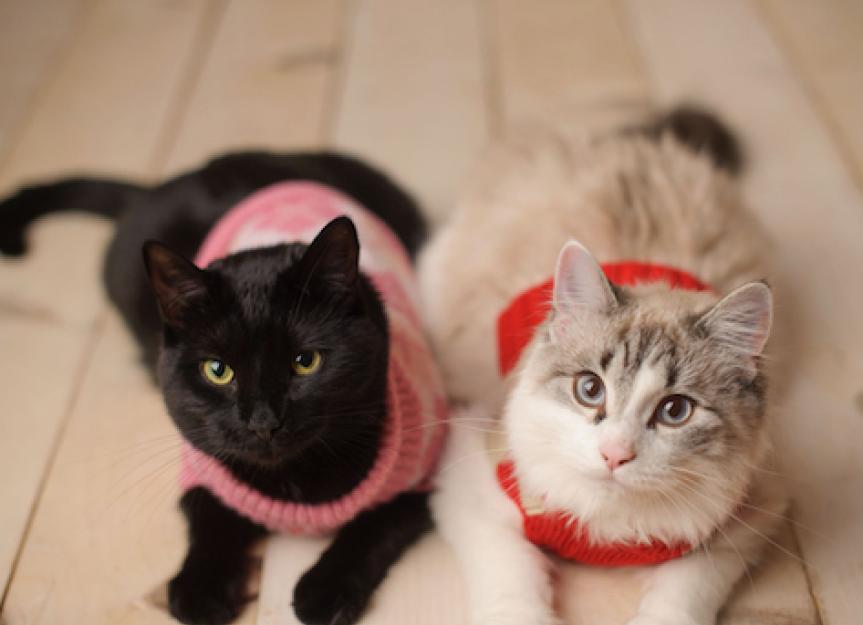
Cat Sweaters: Do They Really Need Them? (Vet's Honest Take)
Here’s something you might not know: a cat's fur coat isn't just for show. It's a highly sophisticated temperature regulation system. Slapping a sweater on your cat can actually interfere with this natural process, potentially doing more harm than good. I see owners doing this all the time, but honestly, it's usually unnecessary.
For Busy Owners: Cats rarely need sweaters due to their natural fur coats. Sweaters can disrupt their ability to regulate body temperature and cause overheating. Only consider sweaters for hairless breeds or post-surgical situations, ensuring a proper fit and constant supervision.
Why is My Cat Overheating in a Sweater? The Risks You Need to Know
Putting a sweater on a cat can lead to overheating because it interferes with their natural thermoregulation. Cats rely on their fur to trap air and create an insulating layer in cold weather, and to release heat in warm weather. Disrupting this process can cause hyperthermia (elevated body temperature), which can be dangerous. I've seen it in the exam room, and it's not pretty.
The clinical perspective? A cat's normal body temperature hovers around 100.5 to 102.5°F (38.1 to 39.2°C). When they overheat, their bodies can't efficiently carry out metabolic processes. At a cellular level, prolonged hyperthermia can denature proteins and disrupt enzyme function, leading to organ damage. It's a cascade of bad news.
The Clinical Perspective (Biological 'Why')
Think of it this way: cats don't sweat like we do to cool down. Instead, they pant (though less frequently than dogs) and rely on vasodilation (widening of blood vessels) in their ears and paws to dissipate heat. A sweater traps heat, hindering these natural cooling mechanisms. It's like putting a wool blanket on someone with a fever – counterproductive, right?
Home-Care Hacks (Low-Cost, Practical Tips)
- Skip the Sweater: Unless specifically advised by your vet (more on that later), avoid putting sweaters on your cat.
- Monitor Environment: Ensure your home is a comfortable temperature for you; it's likely comfortable for your cat too.
- Provide Water: Always have fresh, cool water available to help your cat stay hydrated and regulate temperature.
The Red Flag Checklist (When to Panic vs. When to Wait)
- Rapid Panting: If your cat is panting heavily while wearing a sweater, remove it immediately.
- Lethargy: If your cat seems unusually tired or weak, this could be a sign of overheating.
- Red Gums/Tongue: These can indicate heatstroke; seek immediate veterinary attention.
- Normal Behavior: If your cat seems comfortable and shows no signs of distress, you can monitor them closely for a short period.
Can Sweaters Cause Stress and Anxiety in Cats? Understanding Feline Behavior
Yes, absolutely. Cats are creatures of habit and control. Putting a sweater on them can feel restrictive and unnatural, leading to significant stress and anxiety. This stress can manifest in various ways, from behavioral changes to physical symptoms. I tell my clients, "Happy cat, happy life," and a stressed cat is definitely not a happy one.
The Clinical Perspective (Biological 'Why')
When a cat experiences stress, its body releases cortisol, a stress hormone. Chronically elevated cortisol levels can suppress the immune system, making the cat more susceptible to infections. It can also lead to behavioral problems like inappropriate urination, aggression, and excessive grooming (psychogenic alopecia). So, that cute sweater could trigger a whole host of issues.
Home-Care Hacks (Low-Cost, Practical Tips)
- Slow Introduction: If a sweater is necessary (e.g., post-surgery), introduce it slowly. Let your cat sniff it, then drape it loosely over them for a few seconds, gradually increasing the time.
- Positive Reinforcement: Reward your cat with treats and praise during sweater introductions.
- Supervise: Never leave your cat unsupervised while wearing a sweater.
The Red Flag Checklist (When to Panic vs. When to Wait)
- Hiding: If your cat immediately hides when you bring out the sweater, it's a clear sign of aversion.
- Aggression: Hissing, swatting, or biting indicates significant stress; remove the sweater immediately.
- Loss of Appetite: Stress can cause a cat to stop eating; consult your vet if this persists.
- Mild Irritation: If your cat simply seems uncomfortable but not overly distressed, you can try short, supervised sweater sessions.
When Are Sweaters Actually Appropriate for Cats? Hairless Breeds and Post-Surgery Care
There are a few specific situations where a sweater might be beneficial. Hairless breeds like the Sphynx, for example, lack the natural insulation of a fur coat and may need extra warmth, especially in colder environments. Additionally, vets often recommend sweaters or t-shirts for cats recovering from surgery to prevent them from licking their incisions and to provide a bit of warmth.
The Clinical Perspective (Biological 'Why')
Hairless cats are more susceptible to hypothermia (low body temperature) because they lack the insulating layer of fur. Their metabolic rate may increase to compensate for heat loss, putting extra strain on their bodies. Post-surgical cats may also experience temperature fluctuations due to anesthesia and the stress of the procedure. A sweater can help maintain a stable body temperature and promote healing.
Home-Care Hacks (Low-Cost, Practical Tips)
- Choose the Right Material: Opt for soft, breathable fabrics like cotton or fleece to prevent skin irritation.
- Ensure a Proper Fit: The sweater should be snug but not too tight, allowing for freedom of movement.
- Monitor Skin: Check regularly for any signs of skin irritation or chafing.
The Red Flag Checklist (When to Panic vs. When to Wait)
- Shivering: If your hairless cat is shivering, even with a sweater on, increase the room temperature or add another layer.
- Swollen Incision: If your post-surgical cat's incision becomes red, swollen, or discharges pus, seek immediate veterinary attention.
- Constant Grooming of Sweater Area: This can indicate irritation; try a different sweater or go without.
- Minor Adjustment: If the sweater rides up or seems slightly uncomfortable, adjust it and monitor your cat.
How to Keep Your Cat Warm Without a Sweater: Simple Strategies for Cold Weather
Honestly, most cats are perfectly capable of staying warm on their own. Instead of forcing a sweater on your feline friend, focus on creating a warm and comfortable environment for them. This is especially important during the colder months. I see too many owners overlooking the basics and reaching for a sweater as a first resort.
The Clinical Perspective (Biological 'Why')
Cats have several natural mechanisms for staying warm. They fluff up their fur to trap air, reducing heat loss through convection. They also tend to curl up into a ball, minimizing their surface area exposed to the cold. Providing a warm environment simply supports these natural processes.
Home-Care Hacks (Low-Cost, Practical Tips)
- Provide Warm Bedding: Offer soft blankets or a heated cat bed in a draft-free area.
- Elevate Sleeping Areas: Heat rises, so placing cat beds on shelves or window perches can provide extra warmth.
- Sunlight Access: Ensure your cat has access to sunny spots during the day.
The Red Flag Checklist (When to Panic vs. When to Wait)
- Hiding and Shivering: If your cat is constantly hiding and shivering, despite your efforts to keep them warm, consult your vet.
- Lethargy and Decreased Appetite: These can indicate a more serious underlying issue.
- Frostbite: Pale or bluish extremities (ears, paws, tail) indicate frostbite; seek immediate veterinary attention.
- Normal Winter Behavior: If your cat is simply sleeping more and seeking out warmer spots, this is likely normal winter behavior.